
Related videos:
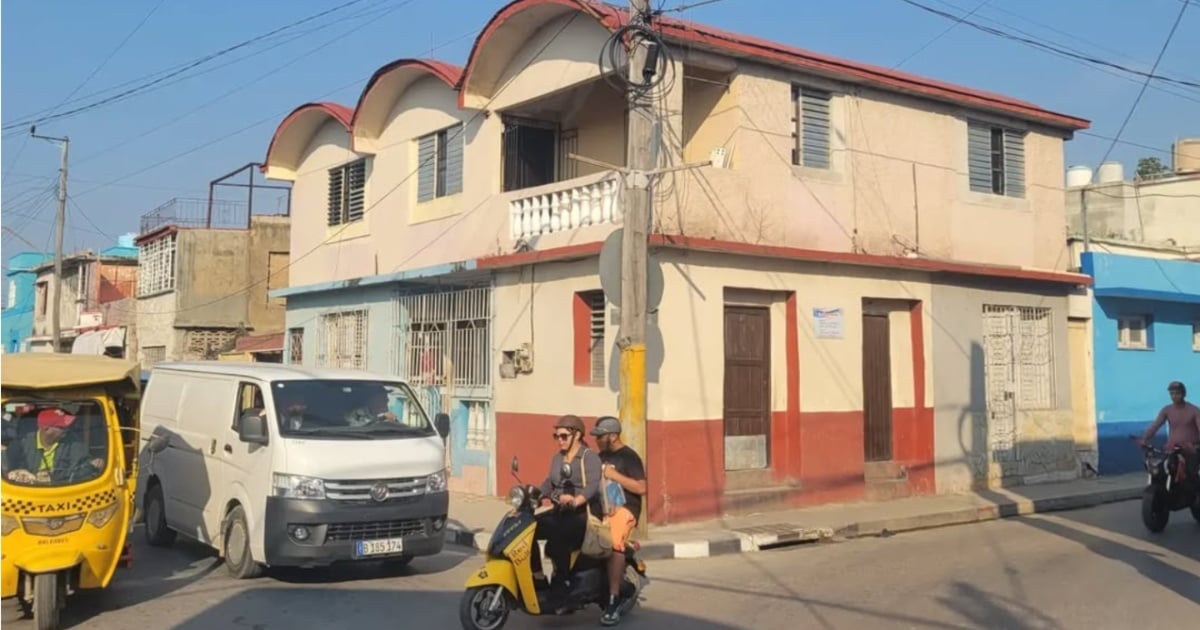
A tragic accident shocked the neighbors on Máximo Gómez Street in the city of Holguín this Friday, where a man lost his life after receiving an electric shock while moving a beam on the terrace of his home.
According to eyewitnesses, who explained what happened in the comments section of the Revolico groups in Holguín, the victim, identified as Eliseo, was manipulating a beam when he accidentally came into contact with high-voltage wires.
Although he was helped immediately and taken to a nearby hospital, he passed away due to the severity of the current's impact.
The incident caused consternation in the community, which deeply mourned the loss and requested respect for the affected family.
"He was raising the terrace tarp with a stick, draining the water that had accumulated on top. Apparently, the beam was loose and inadvertently got caught in the power line. By noon, the beam was still in the same place, one part was touching the wires while the other was inside the terrace. There was still no electricity as they were waiting for the experts," explained a neighbor from the area on Facebook.
Neighbors emphasized the need to take extra precautions when carrying out home construction work, especially in areas where electrical installations pose a close risk.
So far, local authorities have not issued an official statement regarding the accident, which adds to other recent incidents related to electrical discharges.
Electric discharges often result in numerous victims in Cuba, although most of them are events caused by atmospheric phenomena.
Between 1987 and 2023, thunderstorms caused the death of 1,892 people in Cuba, averaging 51 deaths annually. Lightning causes more fatalities in Cuba than hurricanes, making it a highly dangerous natural phenomenon.
They are more dangerous due to their ability to cause deaths, property losses, and technological disasters. Their impact is more frequent and lethal than that of hurricanes.
A lightning strike can hit miles away from the storm's core, increasing its danger and the risk of being struck.
Frequently Asked Questions about Electric Outages in Cuba
Why are electric shocks so dangerous in Cuba?
Lightning strikes are the leading cause of death from natural phenomena in Cuba, surpassing hurricanes. Between 1987 and 2023, there were 1,892 recorded deaths due to lightning, with an average of 51 fatalities per year. The danger increases because a lightning strike can hit several kilometers away from the center of a storm, affecting people who are in open spaces.
What are the recommendations to prevent lightning accidents in Cuba?
In the event of a thunderstorm, it is recommended to seek shelter in enclosed buildings or vehicles, avoid trees, poles, metal structures, and bodies of water, and suspend any outdoor activities. Indoors, it is suggested to take measures such as unplugging appliances and staying away from windows and pipes.
Which provinces of Cuba are most affected by lightning strikes?
The provinces of Granma, Holguín, Camagüey, and Santiago de Cuba record the highest peaks of mortality due to electric shocks, especially in the months of June, July, and August, when electrical activity is more intense.
How do lightning strikes affect infrastructure in Cuba?
Lightning can cause significant damage to electrical infrastructure, resulting in power outages, damage to transformers and distribution lines. Additionally, they can affect technological equipment and lead to economic losses that are difficult to quantify.
Filed under: