
Related videos:
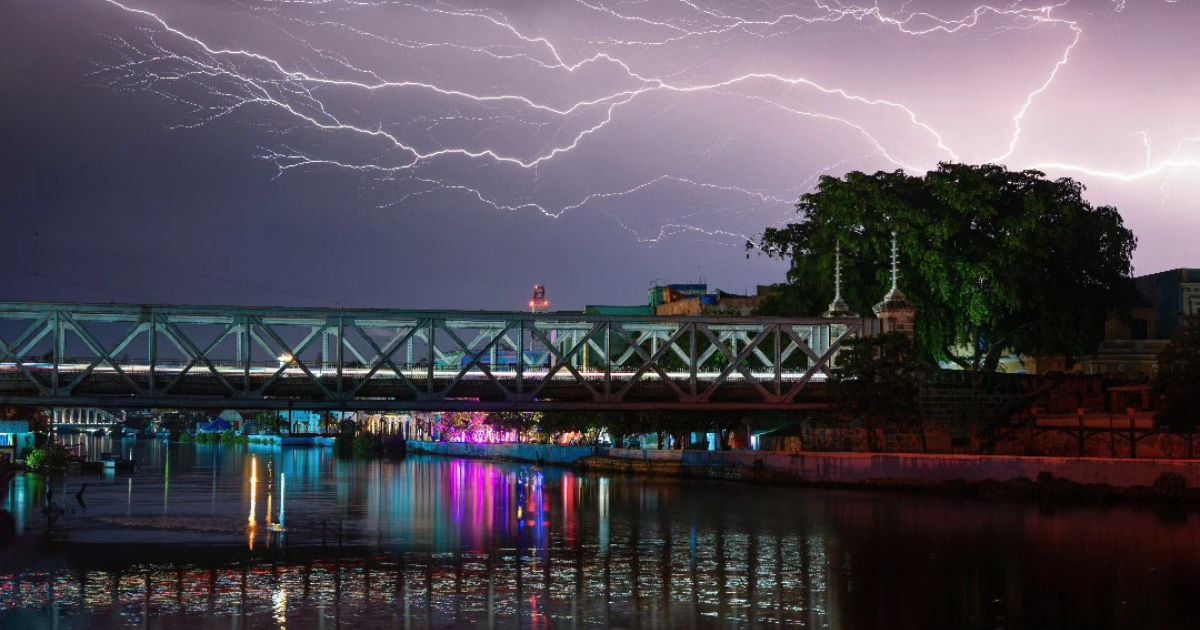
Electric storms caused 1,892 fatalities in Cuba between 1987 and 2023, averaging 51 deaths per year, revealed a recent study on the risks associated with this natural phenomenon.
The information was provided by Master's in Science Neobil Vega Batista, head of the Department of Instrumental and Technological Development at the Institute of Geodesy and Astronomy (IGA) to the Cuban News Agency, cited by the official newspaper Escambray.
Vega recalled that, although there is a general trend towards decrease, the numbers remain high.
In the 1990s, thunderstorms caused an average of 69 fatalities per year, in the 2000s around 56 annual deaths, and in the 2010s, 37 deaths each year.
The specialist has been leading the Early Warning System Project and studies on vulnerabilities and disaster risks associated with thunderstorms in Cuba since 2024.
Vega emphasized that the damages are not limited to the loss of human lives, as there are also significant economic losses that are difficult to quantify, such as damage to equipment, the halt of processes, and the complexity of replacements.
In the country, in addition to the IGA, institutions such as the Institute of Meteorology, the University of Havana, the Fire Department, the Fire Protection Agency (APCI), and companies certified in lightning protection measures participate in prevention programs.
The program recommends five basic steps to reduce risks: understand the characteristics of the phenomenon, identify its proximity, assess potential points of impact and damage, and choose safe places to take shelter.
Lightning, the most visible phenomenon of atmospheric thunderstorms, can cause fatalities, loss of property, and technological disasters, as well as massively affect the atmospheric electric field during its formation and maturity cycle.
In June, following the recent deaths of several minors in the province of Artemisa due to an electric shock, the official newspaper Invasor once again shared on its social media a warning published weeks earlier, stating that lightning causes more deaths in Cuba than hurricanes.
According to a study by the Institute of Meteorology, between 1987 and 2017, lightning strikes caused an average of 54 deaths per year, totaling 1,742 fatalities over three decades, stated the article written by specialist Frank Fernández Castañeda.
The provinces most affected are Granma, Holguín, Camagüey, and Santiago de Cuba, with the highest peaks of mortality occurring in July, August, and June, months of high electric activity.
Frequently Asked Questions about Thunderstorms in Cuba
How many people have died in Cuba due to thunderstorms?
Between 1987 and 2023, thunderstorms caused the deaths of 1,892 people in Cuba, with an average of 51 fatalities per year. Lightning causes more deaths in Cuba than hurricanes, being a highly dangerous natural phenomenon.
What are the provinces most affected by electric shocks in Cuba?
The provinces most affected by lightning strikes in Cuba are Granma, Holguín, Camagüey, and Santiago de Cuba. These regions experience the highest mortality peaks during the months of July, August, and June, coinciding with the increased electrical activity.
What preventive measures are recommended during thunderstorms in Cuba?
It is recommended to seek immediate shelter in closed buildings with metal structures or wiring that act as a Faraday cage. It is crucial to avoid outdoor activities, keep away from trees, poles, and bodies of water, and if shelter is not available, adopt a safe crouching position with your feet together.
Why are lightning strikes more dangerous than other natural phenomena in Cuba?
Lightning is more dangerous due to its ability to cause fatalities, property loss, and technological disasters. Its impact is more frequent and lethal than that of hurricanes. A lightning strike can occur several kilometers away from the storm's core, which increases its danger and the risk of being struck.
Filed under: