
Related videos:
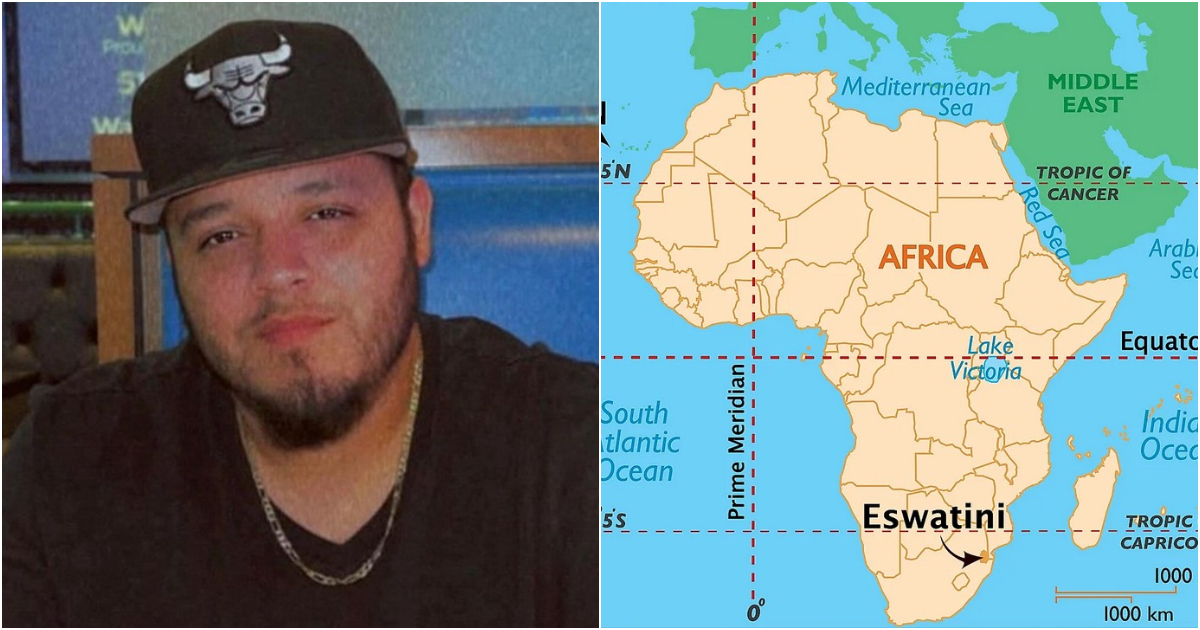
The United States government informed the attorneys of Kilmar Abrego García, a Salvadoran migrant accused of human trafficking, that his new deportation destination will be Eswatini, Africa, after he was initially assigned to Uganda and expressed fear of persecution in more than 20 countries, including Cuba.
Abrego was slated for deportation to Uganda, but his legal representatives argued there was a risk of torture or persecution in that country, according to an official email from the Department of Homeland Security (DHS) shared on the account of X by the journalist from Fox News, Bill Melugin.
The authorities' response was to dismiss the validity of the argument, pointing out that the migrant himself has expressed similar fears regarding 22 different countries, including Mexico, Costa Rica, Honduras, Nicaragua, Argentina, Venezuela, and Cuba.
Despite those objections, the document signed by the Office of the Principal Legal Advisor of ICE indicated that the designated removal country will no longer be Uganda, but rather Eswatini, in Southern Africa.
The notification emphasizes that the Salvadoran's claims are "difficult to take seriously" due to the wide range of countries in which he claims to fear for his life.
The case adds to a series of controversial decisions. At the end of August, it was reported that the administration of Donald Trump was considering deporting Abrego to Uganda following his release from penal custody in Tennessee.
The migrant had been mistakenly deported to El Salvador earlier this year, where he spent months imprisoned before being returned to the United States.
A judge authorized his release on bail while he awaits trial in January, but just hours later, his lawyers received the deportation notice to Uganda, with a 72-hour deadline for execution.
This measure was based on a bilateral agreement in which Uganda agreed to accept deportees who were not even its citizens, becoming the latest "third country" to join these migration practices promoted by the Trump administration.
Abrego's lawyers revealed that the U.S. government had previously offered him an alternative agreement to relocate to Costa Rica as a refugee after serving his sentence.
However, in rejecting him, ICE informed him that he could be sent to Uganda, which his supporters describe as a pressure tactic and “political revenge” against their client.
The images of Abrego's arrest in 2022 show that, after being stopped for speeding, the police allowed him to continue despite carrying nine passengers.
Abrego García has lived in the United States for several years, and in 2019, an immigration judge granted him protection against deportation to El Salvador, determining that he faced a "well-founded fear" of suffering violence if returned to that country.
This measure prevented him from being expelled specifically to Salvadoran territory, although it did not guarantee him permanent legal status nor did it prevent the U.S. government from attempting to send him to a third country that would agree to accept him.
Now, the designation of Eswatini as a final destination extends the controversy, as it reveals the use of opaque agreements and third countries to carry out the forcible expulsion of migrants who have no ties to those territories.
Frequently Asked Questions about the deportation of Kilmar Abrego García
Why did the United States decide to deport Kilmar Abrego García to Eswatini?
The United States decided to deport Kilmar Abrego García to Eswatini due to his fear of persecution in more than 20 countries, including Uganda, which was his original destination for deportation. U.S. authorities considered his fears difficult to take seriously given the number of countries mentioned.
What reasons led Kilmar Abrego García to fear persecution in so many countries?
Kilmar Abrego García expressed fear of persecution in countries such as Mexico, Costa Rica, Honduras, Nicaragua, Argentina, Venezuela, and Cuba, among others. These fears are based on the risk of torture or persecution that he perceives in these places, although U.S. authorities have questioned the validity and extent of his fears.
What is the background of the Kilmar Abrego García case?
The case of Kilmar Abrego García involves several mistakes and controversial decisions. He was initially deported by mistake to El Salvador, where he was imprisoned before being sent back to the United States. Later, his deportation to Uganda was considered as part of a bilateral agreement, but it was changed to Eswatini after he expressed fears of persecution in several countries.
What is the current legal situation of Kilmar Abrego García in the United States?
Kilmar Abrego García is out on bail awaiting trial on charges of human trafficking. A judge granted his release while he awaits the scheduled trial in January, but he faces the possibility of being deported to a third country as part of the current U.S. administration's immigration practices.
Filed under: