
Related videos:
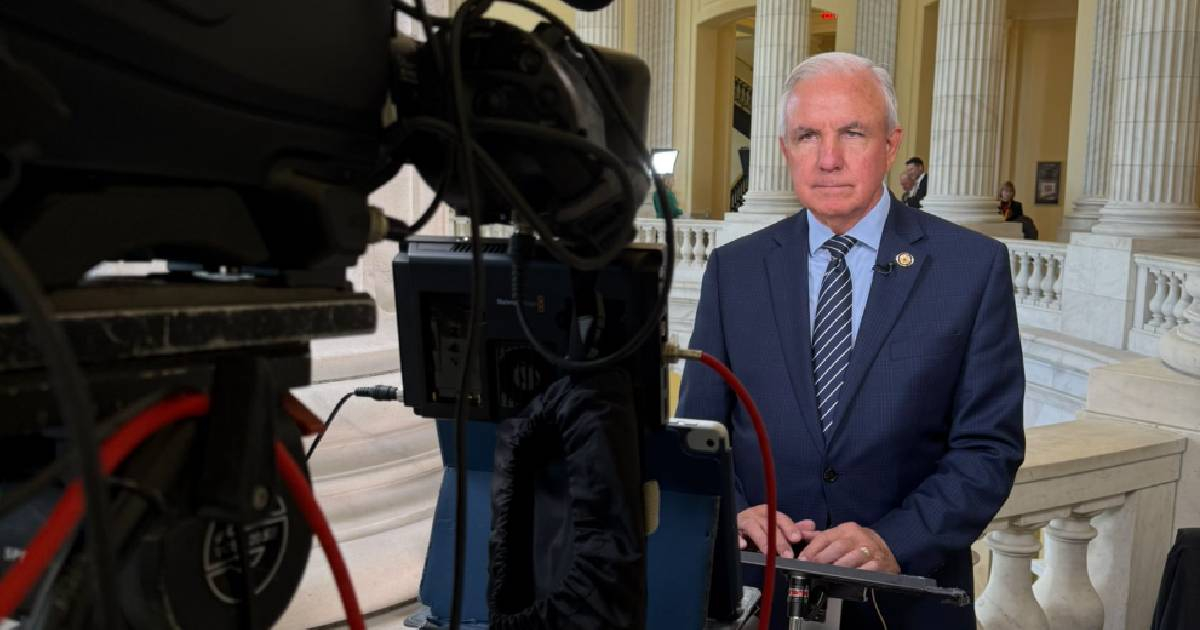
The Cuban-American congressman Carlos Giménez requested that the Department of Homeland Security (DHS) investigate and potentially deport a dozen alleged repressors of the Cuban regime who reside in the United States under humanitarian programs.
In a letter sent to Secretary Kristi Noem, Giménez warned about the "presence of agents from Castro's murderous regime and the Communist Party of Cuba currently residing in the United States," according to Fox News.
According to the legislator, who posted about the topic on social media X, several of the individuals mentioned are reportedly linked to the Rapid Response Brigades, paramilitary groups used on the island to suppress dissent.
Criticism of Castroism and a call to action
Giménez reported that these individuals would have committed "countless human rights violations" in Cuba and that their presence in U.S. territory is an affront to the exiles who fled from Castroism.
"It is crucial for the DHS to enforce existing laws to identify, deport, and repatriate individuals who pose a threat to our national security," the cited outlet wrote.
The congressman, who arrived in the U.S. in 1960 after fleeing with his family from Fidel Castro's revolution, had already sent a similar letter in March and has revealed lists, warning about the possibility that numerous Cuban agents may be living undercover on American soil.
Regional and military context
The request from Giménez comes amid a hardline policy of the Trump administration in Latin America, which has included: a military attack in the Caribbean against alleged drug traffickers linked to gangs; and the designation of Tren de Aragua and the Cártel de los Soles as foreign terrorist organizations.
Similarly, the deployment of three warships and over 4,500 sailors and Marines near Venezuela, along with a reward of 50 million dollars for the capture of Nicolás Maduro.
Requested report
Giménez demanded that the DHS provide details on whether it has investigated the identified repressors, if deportation processes have been initiated, or, if not, the reasons for inaction.
“The Castro regime is on its last breath, and President Trump should push it to the brink of the abyss,” said the congressman in previous statements reported by Fox News, insisting that true support for freedom in Cuba involves suffocating those who have been complicit in repression and are now hiding in the United States.
Frequently asked questions about Carlos Giménez's request to investigate Cuban repressors in the U.S.
What is Congressman Carlos Giménez requesting from the Department of Homeland Security regarding the Cuban repressors?
Carlos Giménez has asked the Department of Homeland Security to investigate and deport alleged repressors of the Cuban regime who reside in the United States under humanitarian programs. He argues that these individuals have committed human rights violations in Cuba and pose a threat to national security and the Cuban exile community.
Why does the congressman consider these individuals a threat to the United States?
Giménez warns that the presence of these individuals could facilitate espionage, political coercion, and illicit activities within the United States. He argues that their stay in the country is an affront to Cuban exiles and could compromise national security.
What actions has Giménez taken to support his request for the deportation of Cuban repressors?
Giménez has sent lists of names to the Department of Homeland Security, based on reports from independent organizations, and has requested immigration authorities to review these cases to identify those who entered the country with false pretenses. He has also made a public appeal to the community to assist in identifying these individuals.
What is Carlos Giménez's stance on remittances and flights between the United States and Cuba?
Carlos Giménez proposes suspending remittances and flights between the United States and Cuba, arguing that these resources support the Cuban regime. He believes that these measures are necessary to weaken the island's government and move toward the freedom of the Cuban people.
Filed under: