
Related videos:
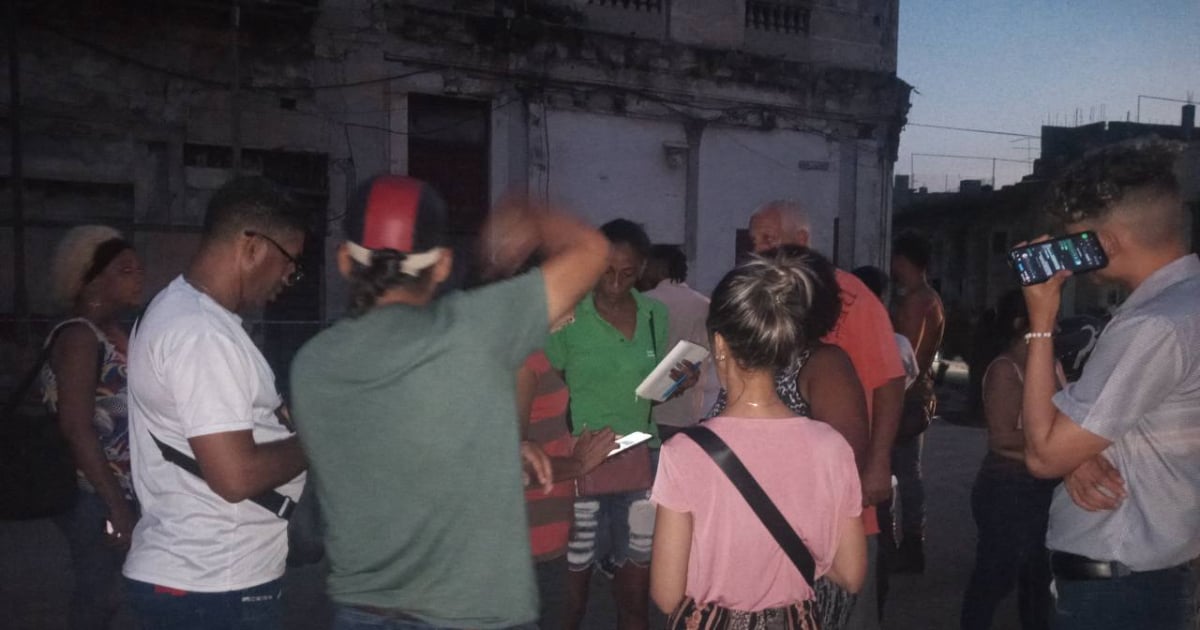
A partial collapse shook a dilapidated building on the night of this Wednesday on San Lázaro street, between Oquendo and Márquez González, in the Cayo Hueso Popular Council, Centro Habana, leaving 14 people affected, according to reports from the Municipal Assembly of Popular Power of Centro Habana.
The collapse occurred in a circulation corridor that connected several rooms on the first floor of the building, which had already been declared uninhabitable and irreparable by the authorities.
"A partial grade A collapse occurred in the circulation corridor connecting rooms on the first floor of a property in continued poor condition," stated the Municipal Assembly in a Facebook post.
The municipal mayor, the director of Housing, members of the Fire Department, the National Revolutionary Police (PNR), and rescue workers attended the scene. Despite the magnitude of the event, no fatalities or injuries have been reported.
The affected individuals are being assisted and relocated to places deemed safe, according to official statements shared on social media.
A collapse amid blackouts and ruins
The incident occurs in the context of a general blackout affecting large areas of the country, including Havana. The Cuban Electric Union (UNE) reported this Thursday that unit 8 of the Máximo Gómez thermoelectric plant in Mariel came online at 00:20 hours and that other plants, such as Nuevitas 5, are in the recovery process.
Additionally, the Energás Varadero plant was synchronized with the National Electric System (SEN), as confirmed by the Ministry of Energy and Mines. However, the island is facing its fifth national electric collapse in less than a year, amidst outdated energy infrastructure and a prolonged crisis.
An alarming pattern in Centro Habana
This new collapse adds to other recent collapses in the municipality, such as the one that occurred at Belascoaín #105, where residents reported a lack of response from the authorities despite the severe deterioration of the structure.
At the intersection of Belascoaín and San Miguel, another building threatens to collapse and has been accumulating trash for years, with no visible preventive measures in place, according to neighborhood alerts shared on social media.
Havana is crumbling
The succession of collapses reflects a chronic housing crisis affecting thousands of families in the Cuban capital. Many buildings, constructed over a century ago, lack structural maintenance and display severe damage exacerbated by moisture, rain, and a lack of state investment.
Meanwhile, amidst the darkness of blackouts and the fear of losing their lives under the rubble, the people of Havana continue to wait for solutions that do not come.
Frequently Asked Questions about the Collapse in Centro Habana and the Energy Crisis in Cuba
What happened in the Centro Habana collapse?
A partial collapse affected a building on San Lázaro Street, leaving 14 individuals affected. The collapse occurred in a hallway connecting several rooms in a property declared uninhabitable and irreparable. No fatalities or injuries were reported, and the affected individuals are being relocated.
What is the current situation of the electrical infrastructure in Cuba?
The electrical infrastructure in Cuba is facing a severe crisis, with continuous blackouts and a generation deficit of up to 1,500 MW. The situation is worsened by a lack of maintenance, fuel shortages, and the age of the equipment. Despite efforts to restore the service, inefficiencies in management and a lack of significant investments have kept the crisis unresolved with no solution in sight.
Why are collapses frequent in Havana?
Landslides in Havana are common due to a chronic housing crisis, resulting from a lack of maintenance for century-old buildings and insufficient state investment. Humidity, rain, and the aging of structures have worsened the situation, putting the lives of many families at risk.
What measures is the Cuban government taking in response to the energy crisis?
The Cuban government has announced plans to modernize the electrical infrastructure with international support and is attempting to promote the use of renewable energy sources. However, the actions have been insufficient in the face of the structural collapse of the electrical system and the lack of sustained investment. The population continues to face prolonged blackouts with no short-term solutions.
Filed under: