
Related videos:
Tensions between Moscow and the Atlantic Alliance escalated on Monday after the Kremlin stated that NATO is "de facto" at war with Russia, following a series of Russian drone incursions into Polish territory and statements from high-ranking Russian officials.
"La NATO is at war with Russia. This is obvious and does not require further proof," declared the Kremlin spokesperson, Dmitri Peskov, during his regular telephone press conference. As he explained, the direct and indirect military assistance that the West provides to Ukraine constitutes active participation in the armed conflict.
These statements come amid a surge in tension in Eastern Europe, following the incursion of several Russian drones into Polish airspace last week. While Moscow has not officially confirmed or denied its responsibility, it has expressed a willingness to investigate the incident, stating that it "does not seek a military escalation."
In parallel, the former Russian president and current vice chairman of the Security Council, Dmitri Medvédev, issued a new warning from his Telegram channel.
"The implementation of a no-fly zone over Ukraine by NATO, along with the downing of our drones, would mean a NATO war with Russia," he wrote, calling the proposal advocated from Kiev "provocative" and driven by "idiots."
Medvédev also threatened with reprisals if the Russian state assets frozen in Europe are transferred to Ukraine as part of a loan for war reparations. "We will pursue those responsible in all possible courts, and in some cases, outside of them," he stated.
The Russian reaction comes in response to the announcement by the NATO Secretary General, Mark Rutte, regarding the ‘Eastern Sentinel’ operation, an initiative aimed at strengthening the defense of the Alliance's eastern flank. The operation will involve the deployment of F-16, Rafale, and Eurofighter jets, as well as warships from countries such as Denmark, France, Germany, and the United Kingdom.
Rutte warned that what happened in Poland was "the largest concentration of NATO airspace violations ever seen", and emphasized that it was not an isolated incident.
Meanwhile, in Kiev, pressures are mounting to authorize the shooting down of Russian drones before they cross into allied territory, a scenario that, according to the Kremlin, would lead to a direct confrontation with unpredictable consequences.
Escalation between Russia and the West following the Alaska summit
The current verbal and military escalation between Russia and the West occurs following the summit between Donald Trump and Vladimir Putin held in Alaska on August 15. Although the meeting was described as "productive" by the U.S. president, no concrete agreements or substantial progress were announced to resolve the conflict in Ukraine.
The meeting marked Putin's first visit to U.S. soil since the beginning of the large-scale invasion in 2022, and was perceived more as a symbolic gesture than a real diplomatic shift.
Days later, Moscow intensified its drone and missile attacks on Ukraine, causing an unprecedented wave of death and destruction, leaving analysts bewildered who had predicted moves by Putin to de-escalate his aggression.
Far from it, in recent days, a series of Russian drones violated Polish airspace, leading to condemnation from Warsaw, the reinforcement of NATO defenses on its eastern flank, and the reactivation of the debate about greater allied involvement in the military containment of Russia.
In response to these incidents, Trump toughened his stance with NATO allies and demanded that they stop purchasing Russian oil and impose tariffs of up to 100% on China, unless Beijing ceased purchasing crude from the Kremlin.
These statements, made following the airstrike in Poland, introduce an unprecedented conditionality among the partners of the Atlantic Alliance and reflect a strategy of economic pressure that, under the pretext of isolating Moscow, sets forth new demands—difficult to meet—on NATO allies and serves as an excuse to further postpone actions against Putin.
At the same time, in Belarus and Russia, the joint military exercises Zapad-2025 are taking place, which have raised alarm among the countries on NATO's eastern flank.
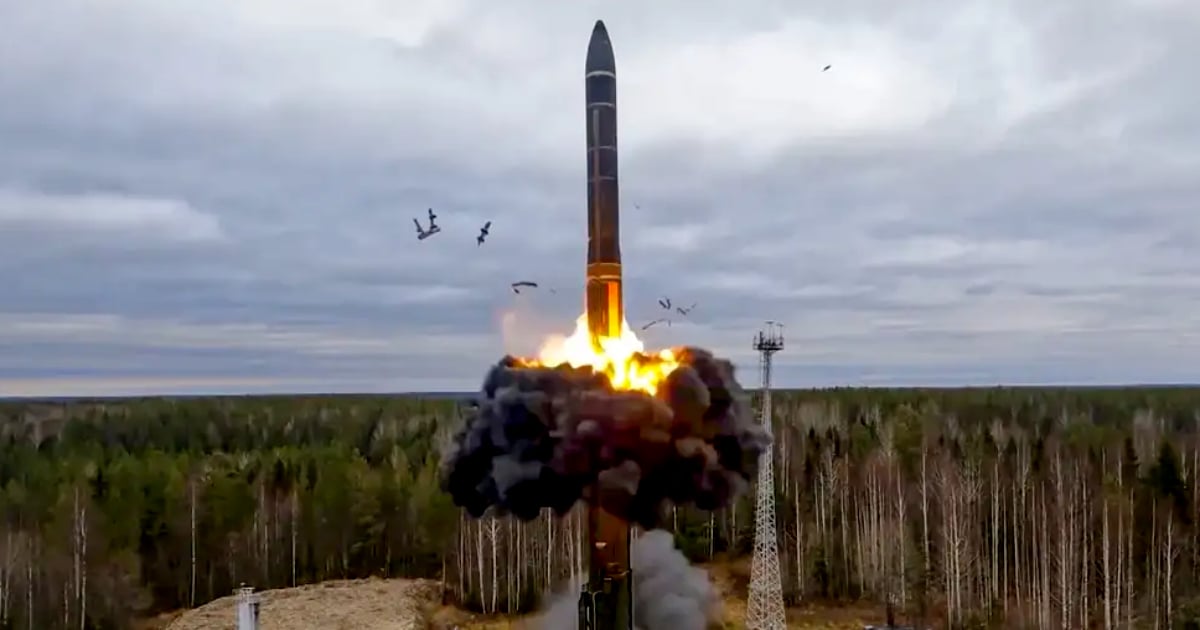
In their official stance, they are classified as defensive, but analysts point to the use of advanced weaponry— including hypersonic systems and potential Oreshnik nuclear missiles— the movement of forces near the Polish border, and the deployment of elite Russian units as warning signs.
A particularly unusual fact was the presence of U.S. military officials observing the Zapad-2025 exercises, which adds to the diplomatic confusion: it is the first time such U.S. representation has been recorded at Russian maneuvers.
Filed under: