
Related videos:
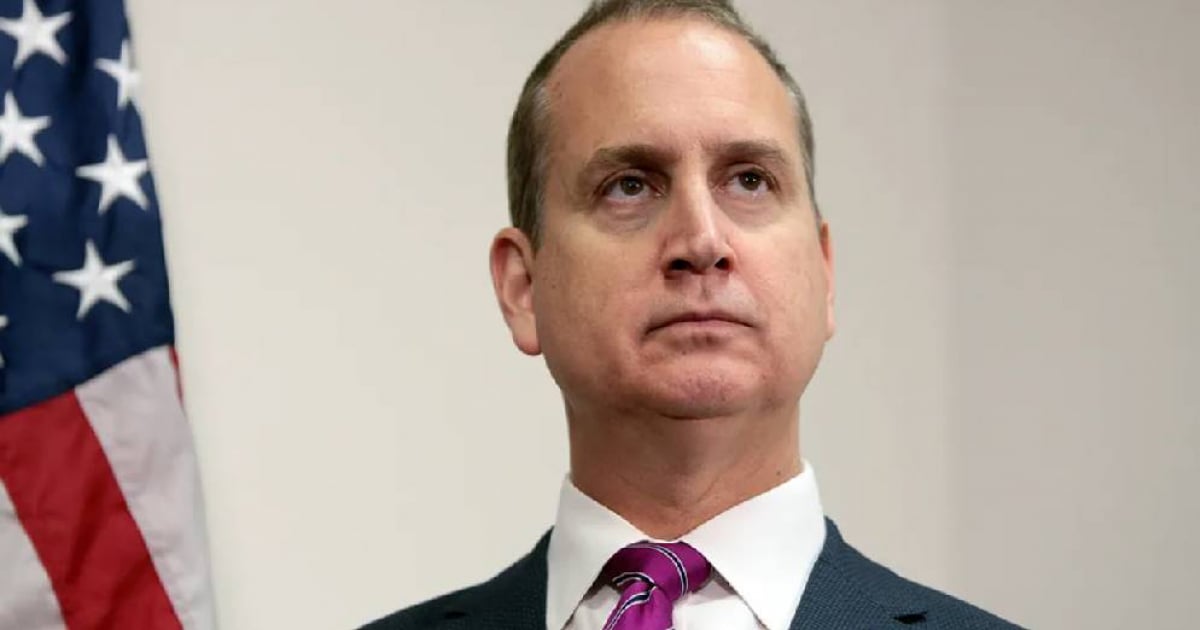
The Republican congressman Mario Díaz-Balart formally requested that the U.S. Department of the Treasury investigate possible violations of sanctions imposed against the Cuban regime by Cuban-American musicians who have performed concerts on the island.
In a letter addressed to the Deputy Secretary of Foreign Assets Control, Bradley T. Smith, the legislator expressed his concern about the apparent collaboration of some artists with entities controlled by the Cuban government, specifically those included in the Cuba Restricted List from the Department of State.
Díaz-Balart mentioned the case of the musicians Dany Ome and Kevincito El 13, who reside in the United States and held a concert this summer at the PABEXPO venue in Havana, a facility linked to the Cuban military-industrial complex.
According to the letter, the event was attended by members of state security and Raúl Castro's grandson, Raúl Rodríguez Castro.
The congressman assured that there are images and posts on social media that show the participation of the artists in other similar events on the island, including performances in Ciego de Ávila, and noted that their manager, Magdiel Díaz, also resides in the U.S.
These public performances undermine the objective of U.S. sanctions by providing a recurring source of income to the Cuban dictatorship,” stated Díaz-Balart, who urged the Office of Foreign Assets Control (OFAC) to determine whether the travel and financial transactions associated with these events comply with current regulations.
The legislator, a strong advocate for sanctions against the Cuban regime, also supported the measures adopted by the administration of President Donald Trump, including the inclusion of Cuba on the list of state sponsors of terrorism and the expansion of restrictions against Cuban military entities.
The current regulations in the U.S. allow for artistic performances in Cuba under certain travel exceptions, but restrict the use of those licenses when the activities have a commercial nature or involve companies linked to the Revolutionary Armed Forces or the Ministry of the Interior.
Filed under: