
Related videos:
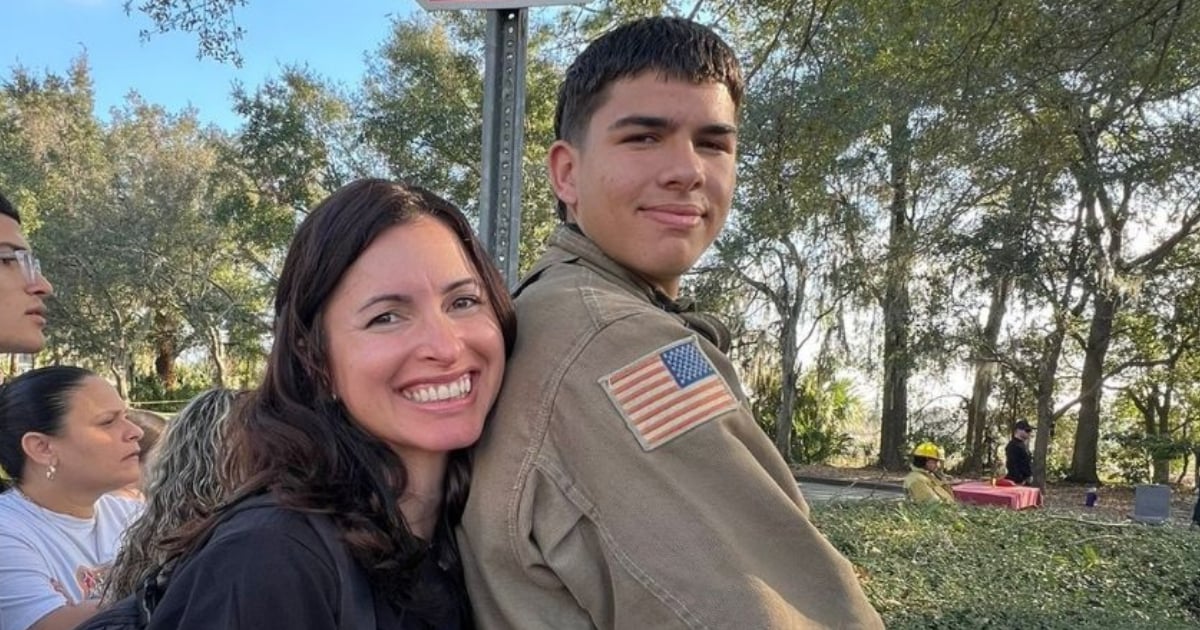
The 18-year-old Cuban youth who was detained by Immigration and Customs Enforcement (ICE) in Florida regained his freedom after two weeks of distress for his family.
The young man, who arrived in the United States as a minor, dreams of becoming a firefighter and is currently finishing his last year of high school in Miami.
The journalist Mario J. Pentón confirmed the news this Monday on social media, highlighting the unity and perseverance of a family that did not give up.
In addition, it was reported that the release was achieved thanks to the support of her aunt, who has legal custody, the assistance of colleagues from the cadet program in Coral Gables, and the efforts of Congress members María Elvira Salazar and Carlos Giménez.
"A just and hopeful victory amid the migratory chaos affecting so many families," highlighted Pentón.
The young man had been summoned to the ICE office in Miramar on September 11. After more than five hours of waiting, he was informed that he was being held in custody.
The family, who had sought legal advice in their immigration process, only had an I-220A document.
During a previous hearing, the immigration officer prevented the lawyer from speaking in her defense, according to her aunt's report.
With no criminal record and an outstanding academic background, the young man had even handed over his passport to the authorities, unaware that this gesture could expedite a deportation process.
The arrest sparked outrage, as it involved a student with legitimate aspirations who was fully integrated into life in the United States.
Your case, similar to that of other young Cubans in uncertain migratory situations, highlighted the shortcomings of a system that, under political pressure, seems to prioritize numbers over human considerations.
The release represents relief for his family, but it also highlights the vulnerability of many young migrants who, like him, are simply seeking opportunities and stability in the country where they have grown up.
Frequently Asked Questions about the Release of the Young Cuban Detained by ICE
Why was the young Cuban detained by ICE?
The young Cuban was detained by ICE after an appointment at the immigration office in Miramar, Florida. The detention occurred despite the fact that the young man had no criminal record and had met all legal requirements in his immigration process. His case sparked outrage as he was a fully integrated student in the United States.
What is Form I-220A and what is its importance in this case?
The I-220A form is a supervision release order. It allows certain migrants to reside temporarily in the United States while their legal situation is being resolved. However, it does not grant regular immigration status or work authorization. In the case of the young Cuban, this document was the only support that his family had during the immigration process.
How did the young Cuban manage to regain his freedom?
The young man's release was achieved thanks to the intervention of his aunt, who has legal custody of him, the support of his classmates from the Coral Gables cadet program, and the efforts of Congress members María Elvira Salazar and Carlos Giménez. This joint effort allowed the young man to return to his family after two weeks of detention.
What criticisms have been raised about ICE's immigration policy in cases like this?
Criticism has been directed at ICE for considering that detentions are carried out to meet statistical targets, without taking into account the human context and the legitimate aspirations of migrants. This situation reflects gaps in the immigration system, which, under political pressure, seems to prioritize numbers over human judgment. Cases such as that of the young Cuban highlight the vulnerability of many migrants who are merely seeking stability and opportunities in the United States.
What impact does this case have on the debate regarding the situation of Cuban migrants in the U.S.?
The case of the young Cuban detained by ICE reignites the debate over the treatment of Cuban migrants in the United States. Despite being integrated and meeting legal requirements, many face a migratory limbo and uncertainty about their future. This case adds to other similar instances that criticize a system which, according to human rights advocates, does not adequately distinguish between criminals and youth with potential.
Filed under: