
Related videos:
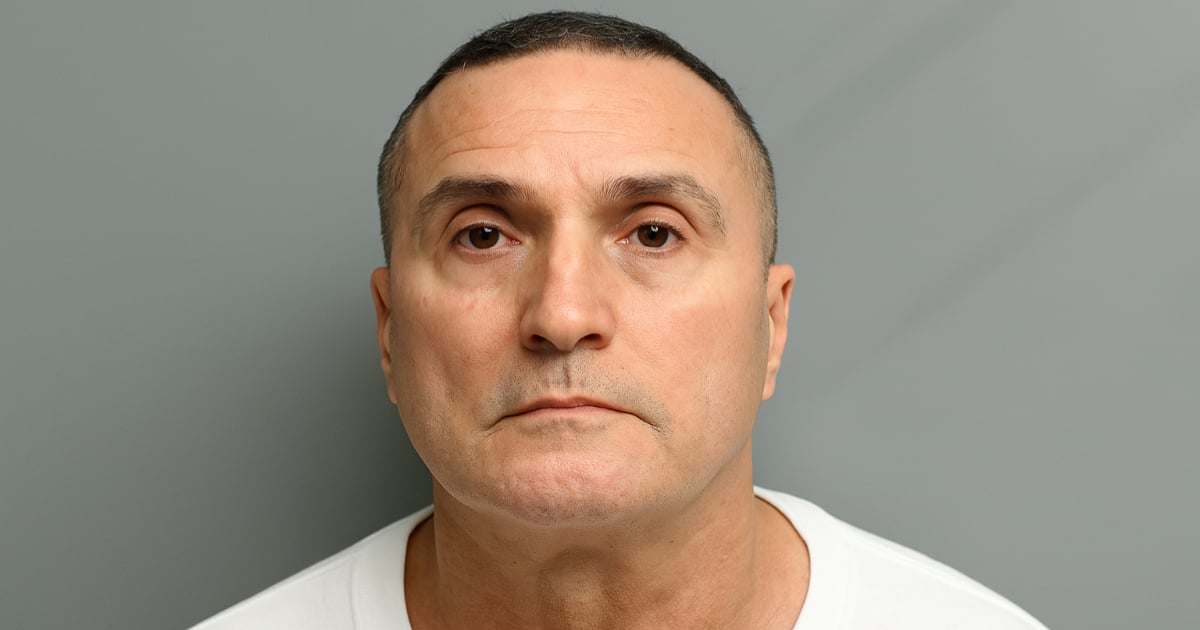
A Cuban undocumented immigrant was arrested by agents of the Immigration and Customs Enforcement (ICE) in Tampa after making a bomb threat against the office of Democratic Congresswoman Kathy Castor, in a case that has raised alarms about public safety and the perception of the Cuban community in the United States.
Rigoberto Albizar-Martínez, 58 years old, had been convicted in December 2024 on federal charges after leaving a "vulgar, racist, and obscene" voicemail that included an explicit warning about placing an explosive device in the legislator's office.
In May, he was sentenced to one year in prison and now, after serving his sentence, he was detained by Immigration and Customs Enforcement as part of the raids against the "worst of the worst" illegal immigrants, according to the Department of Homeland Security (DHS) as reported by Fox News.
Local media such as WFLA reported that Albizar-Martínez recorded phrases in Spanish such as “I’m going to put a bomb in your office. It’s a threat,” as well as insults against Democrats, African Americans, and supporters of Palestine.
Anna Giaritelli, a reporter for the Washington Examiner specializing in national security, confirmed the arrest and noted that the case highlighted the severity of threats against elected officials in a context of polarization and political violence.
The DHS Undersecretary, Tricia McLaughlin, was unequivocal in stating that “there is no place for political violence in the United States” and thanked ICE agents for removing from circulation an individual deemed “a threat to national security.”
A concerning pattern of cases
The arrest of Albizar-Martínez adds to other recent incidents involving Cubans with criminal records in ICE custody. Last week, the agency reported the detention in Los Angeles of Chamil Machado González, accused of being part of the Sureños-13 gang and with convictions for vehicle theft, threats, and kidnapping. Also, in San Diego, another operation resulted in the arrest of Walter Ramírez, who has a history of rape, sexual assault of minors, and domestic violence.
These cases, although individual, contribute to the perception that a sector of Cuban immigrants with a criminal history poses a risk to public safety in the U.S., and generate concern among Cubans themselves living in communities such as Tampa, Miami, or California, where they endure the burden of this stigma.
The migratory backdrop
To the complexity of the problem is added Cuba's usual refusal to accept back nationals with criminal convictions in the U.S., complicating deportations. In many cases, Washington opts to send them to third countries, a practice that raises legal questions and diplomatic tensions.
Meanwhile, the arrest of Albizar-Martínez brings an uncomfortable debate back to the forefront: how to prevent the crimes of a few from tarnishing the image of an entire migrant community, which is also marked by stories of hard work, integration, and sacrifice in pursuit of a better life.
Frequently Asked Questions about the Detention of Cubans by ICE
Why was Rigoberto Albizar-Martínez detained by ICE?
Rigoberto Albizar-Martínez was arrested by ICE after serving a one-year prison sentence for threatening to plant a bomb in Congresswoman Kathy Castor's office. His arrest was part of ICE's raids targeting illegal immigrants with criminal records.
What measures is ICE taking against Cuban immigrants with criminal records?
ICE has intensified raids to apprehend illegal immigrants with criminal records, especially those considered "the worst of the worst." These operations aim to protect public and national safety in the United States. The detention of Cubans with a criminal history is part of this strategy.
What is the impact of ICE's actions on the Cuban community in the U.S.?
The actions of ICE have raised concerns within the Cuban community in the U.S., as the crimes committed by certain individuals are affecting the perception of the entire Cuban migrant community. Additionally, there is fear among those who, without criminal records, could be detained in broader operations.
What difficulties does the U.S. face when deporting Cubans with criminal records?
One of the main difficulties is that Cuba often refuses to accept its nationals with criminal records in the U.S., which complicates the deportation processes. In some cases, Washington chooses to send these individuals to third countries.
What is the U.S. government's stance on political violence?
The U.S. government, through statements from officials of the Department of Homeland Security, has been clear that there is no place for political violence in the country. The arrests of individuals who threaten the safety of elected officials are part of the efforts to maintain national security.
Filed under: