
Related videos:
In the most recent report from the U.S. State Department on trafficking in persons (TIP 2025), one of the most shocking allegations is the confirmation that the Cuban regime facilitated the recruitment of citizens to fight in the Russian invasion of Ukraine.
This element, which in previous years was treated marginally and not integrated into the core of the reports, now appears as an integral part of the state trafficking pattern orchestrated by the Havana regime.
Although in 2023 arrests were reported in Cuba linked to networks recruiting Cubans to fight in Ukraine —17 individuals were accused of human trafficking and mercenarism— those cases were addressed as isolated incidents and the Cuban regime never made further comments regarding the alleged investigation.
The media accusations described deceptive practices: civil job offers, confiscation of passports, contracts in Russian, and even testimonies from young people who claimed to have been sent to the front under false promises.
But in the TIP Report 2025, that phenomenon is no longer just an anecdote. It is included as yet another modality of the state exploitation system that has already affected professionals assigned to medical missions.
Now, compulsory military recruitment appears alongside medical missions as a form of state-sponsored trafficking. The report states that the Cuban authorities expedited the issuance of passports and omitted exit stamps to deny their official knowledge of the movement of those recruits.
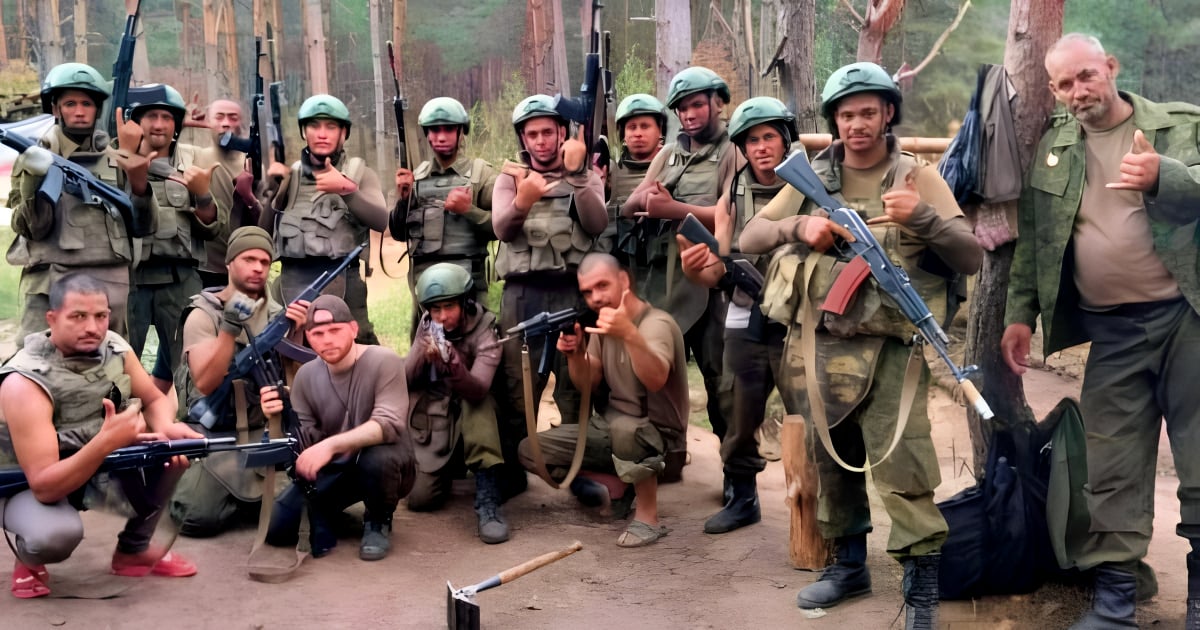
It has been documented that between June 2023 and February 2024, more than 1,000 Cubans signed contracts with Russian forces, many drawn in by promises of salaries of up to 2,000 USD per month—amounts that seemed astronomical compared to the average salary in Cuba.
In some cases, upon the expiration of contracts, Cubans remained at the front. The report presents these facts as part of the Cuban state's operation of control and subjugation through mechanisms of deception and retention.
The news is clear: what was previously referred to as "recruitment networks" is now considered by the U.S. as an expression of a state policy of human trafficking. This changes the nature of the accusations: it is no longer about isolated criminal activities but rather about direct governmental complicity.
This shift in the approach of TIP 2025 significantly increases international pressure on the Cuban regime. In this context, it is not enough to dismantle networks: a structural review of the state control model is required, along with the investigation and sanction of implicated officials, and compensation for the victims.
The report's recommendations include: clarifying fraudulent recruitment, allowing Cubans to retain their identity documents, eliminating arbitrary movement restrictions, and improving legal protection for those affected.
On its part, the Cuban government has historically denounced the TIP accusations as “slander” and it is not expected that it will act differently now. However, the formalization of these complaints in the 2025 report —along with more precise data on contracts and state complicity— weakens the narrative of mere isolated abuses.
The case of the Cuban mercenaries in Ukraine is, thus far, the most serious and novel accusation that Cuba has faced under the category of human trafficking by the U.S. government.
Its inclusion in the report elevates the conflict in Ukraine to an internal dimension of control and exploitation by the Cuban regime. For those affected, it represents a call for recognition and justice; for Havana, an unprecedented focus of international scrutiny.
Filed under: