
Related videos:
Cubans experienced one of the most difficult periods in recent years during the summer of 2025, characterized by the collapse of essential services, extreme food shortages, and the fear of protesting.
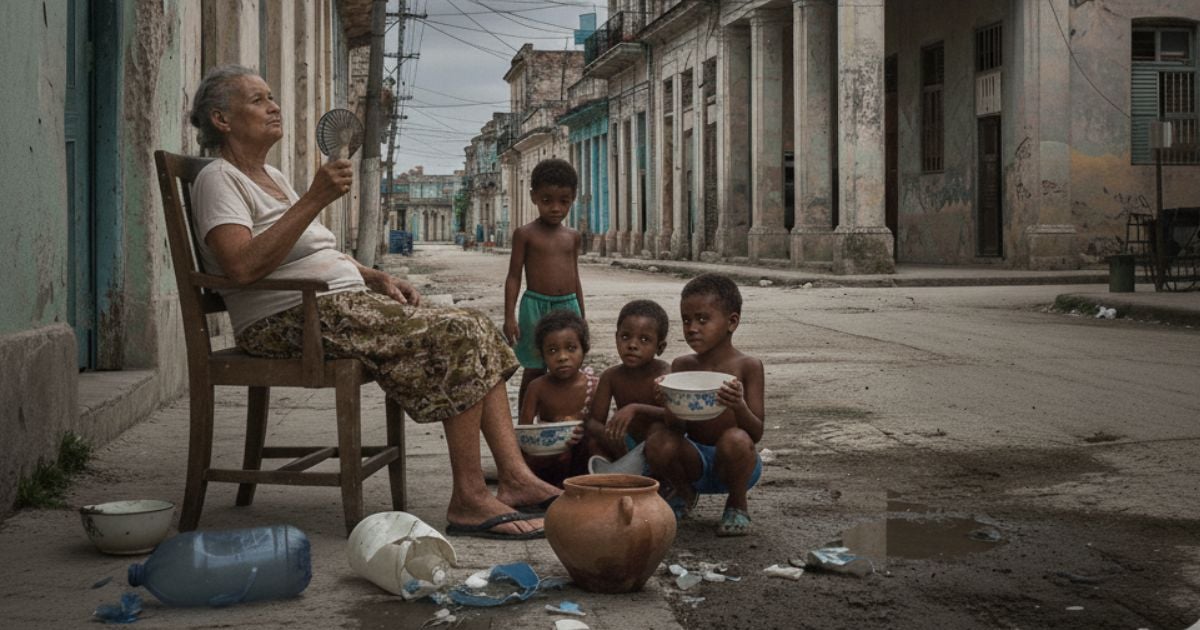
According to a report from the Food Monitor Program (FMP), which documents food insecurity on the island, the decline in living conditions has reached alarming levels, with prolonged blackouts, a water crisis, and limited access to essential resources such as liquefied gas or basic food items.
In eastern provinces such as Santiago de Cuba and Holguín, power outages exceeded 20 hours a day, while in the central part of the country, blackouts lasted up to 36 hours.
In Havana, the cuts were divided into multiple segments that included early mornings and entire nights.
This situation directly impacted the pumping of drinking water, leaving many communities either without supply or with minimal and even contaminated resources, emphasized FMP.
The lack of gas forced many families to cook with firewood or charcoal, which created health and environmental risks.
A sack of coal reached a cost of up to 1,500 Cuban pesos, almost equivalent to a monthly pension.
In parallel, the price of rice fluctuated between 200 and 300 pesos per pound and other essential products such as oil, milk, or grains also became more expensive or disappeared from the markets, a situation that led to an increase in deaths from malnutrition.
In this context of precariousness, the Cuban regime focused its agenda on political celebrations, symbolic acts, and ideological campaigns instead of providing real solutions, emphasized the organization, which constantly studies and denounces the main issues affecting the Cuban population.
The population criticized the use of resources for official propaganda while millions of households suffered without the basics for survival.
Social protest remained at low levels due to fear of reprisals. According to the report, the repressive apparatus managed to suppress any public expression of discontent through surveillance, threats, or sanctions, in a country where repression continues to be a structural part of power.
FMP warns that Cuba experienced a summer where daily life became a constant struggle against misery, with no clear responses from the state or concrete policies to curb the decline.
The combination of hunger, darkness, and fear left a deep mark on a citizenry increasingly worn down by decades of crisis and political control.
Frequently Asked Questions about the Energy and Social Crisis in Cuba
How has the energy crisis impacted the daily lives of Cubans?
The energy crisis in Cuba has severely impacted the daily lives of Cubans, causing blackouts of up to 36 hours in some regions and limiting access to basic services such as drinking water and liquefied gas. This has forced many families to cook with wood or charcoal, which not only poses health risks but also environmental challenges by increasing deforestation.
What is the situation of food security in Cuba?
Food security in Cuba is at critical levels. The scarcity of basic food items and the rising costs of essential products such as rice, oil, and milk have increased food insecurity. According to the Food Monitor Program, many families have reduced the number of daily meals due to a lack of resources and the inability to preserve food during prolonged power outages.
How has the Cuban government responded to the crisis?
The Cuban government has focused on political celebrations and ideological campaigns, rather than providing real solutions to the energy and social crisis the country is facing. This lack of effective response has generated social unrest, although protests have been contained by the state's repressive apparatus, which employs surveillance, threats, and sanctions to deter public discontent.
What environmental consequences has the energy crisis had in Cuba?
The energy crisis has accelerated deforestation in Cuba, as many families turn to cutting down trees for firewood as fuel. This has led to a loss of biodiversity and soil erosion, worsening the country's vulnerability to natural phenomena. The lack of government policies to modernize the energy infrastructure and promote the use of renewable energy has compounded the situation.
Filed under: