
Related videos:
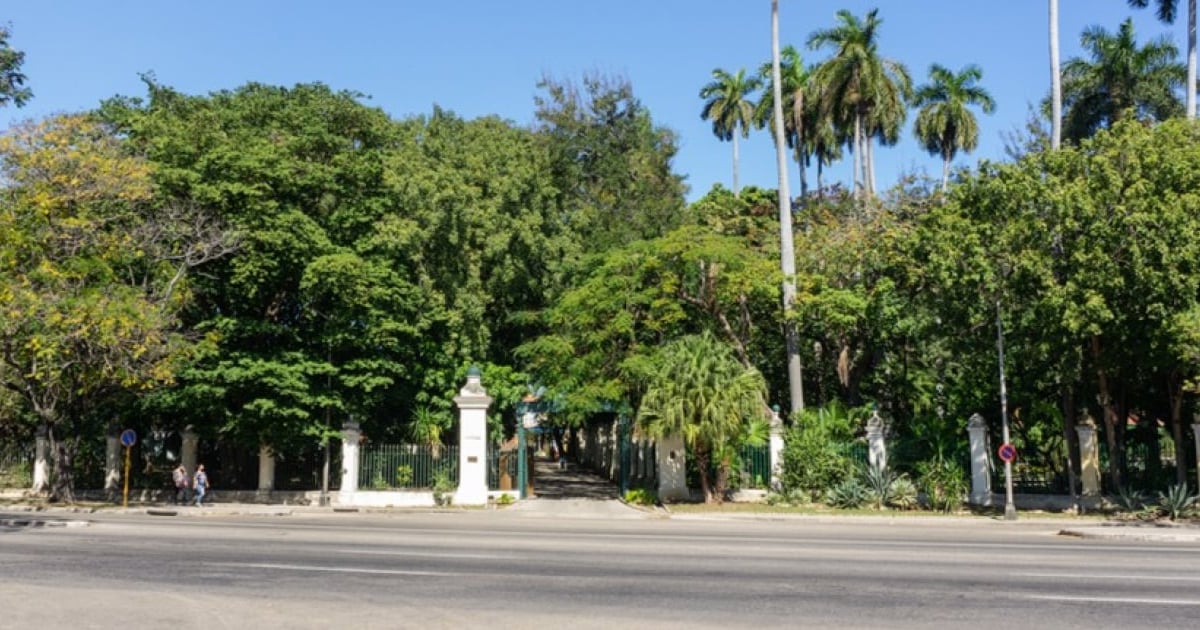
A university student identified on social media as Nayla Fraga reported being the victim of a sexual assault in broad daylight near the Quinta de los Molinos, in the Plaza municipality.
According to what she recounted on her Instagram account, the attack happened around noon: a man approached her and, deliberately, touched one of her breasts. It was not a stumble or a casual brush; rather, it was a conscious and aggressive action.
"It wasn't an accident, it wasn't a crash; the guy consciously reached out and grabbed my breast," she asserted.
The young woman reacted immediately and did not back down. With bravery, she confronted the man and struck him to make him retreat. She even managed to take a picture of him with her cell phone.
In her testimony, she explained that at the moment of the confrontation, she feared for her life; she felt convinced that if the attacker had wanted to, he could have struck her with deadly violence.
"I felt scared because I was certain that if he wanted to, he could hit me three times and kill me right there, leaving the university at noon. Because I am a woman, and just by existing, men feel entitled to my body," she detailed.
That fear - and the realization of how vulnerable Cuban women feel in public spaces - are the central themes of Nayla's denunciation.
After the incident, the girl decided to make the aggression public and shared photos of the perpetrator with the aim of identifying him and "putting a name to him": she wants her community to know what happened and for the search to be collective until a legal course of action can be pursued.
Nayla announced her intention to file a report as soon as she locates the individual, and justified her decision to share the case on social media due to the lack of institutional response.
"In this country, women are not heard; there are no laws that protect us or prevent these things," she criticized.
"Even so, I am going to try through legal means as soon as I find him. I am sharing his face to put a name to it or to gather any information that you have. I need his entire surroundings to know that he is a sexual aggressor," he emphasized.
The case brings back to the forefront the perception of impunity and the sense of abandonment that many women report on the Island in response to assaults in public spaces.
The public denunciation by this university student emphasizes not only the specific incident but also a broader complaint: the lack of effective mechanisms to protect women and the feeling that, when such events occur, the official response is inadequate, delayed, or most of the time, nonexistent.
In Cuba, the State does not hold accountable the institutions responsible for ensuring safety and basic rights. If victims are forced to turn to social networks to seek identification and justice, it is because the public apparatus that should prevent and respond to these aggressions is failing.
In the absence of a strong response from the institutions, that visibility becomes the primary tool that many victims have today to demand justice.
Organizations and activists have warned about the need for clear protocols, preventive measures, and specialized police units that address reports of sexual violence with sensitivity and effectiveness.
Nayla's post emphasizes the urgency of concrete policies: from prevention campaigns and public education to police procedures that prioritize victims and do not revictimize them.
Her request is clear: any information that can help identify the man who assaulted her should be made available so that appropriate measures can be taken.
Frequently Asked Questions about Assaults and Safety in Cuba
What happened to Nayla Fraga in Havana?
Nayla Fraga, a university student, was the victim of a sexual assault in broad daylight near the Quinta de los Molinos in Havana. A man approached her and deliberately touched her breast. Nayla reacted by confronting the attacker and decided to make the assault public on social media to identify the perpetrator and demand justice.
How is Cuba responding to gender-based violence?
In Cuba, there is a perception of impunity and a lack of effective response from the authorities regarding gender-based violence. There is no comprehensive law to protect victims, and public reports on social media have become a crucial tool for raising awareness of these cases. The absence of clear protocols and institutional ineffectiveness are recurring problems faced by victims.
What can be done if you witness an assault in Cuba?
According to the Cuban Penal Code, any person who witnesses a crime can and should report it to the authorities, even if they are not the direct victim. This is crucial for combating gender-based violence and other crimes, although institutional responses are often insufficient.
What is the situation of public security in Cuba?
Cuba is facing a growing wave of street violence and a sense of insecurity for both citizens and tourists. The lack of an effective police response and economic shortages are exacerbating the situation. Incidents of assaults and robberies are becoming increasingly common, reflecting a disconnection between official promises and everyday reality.
Filed under: