
Related videos:
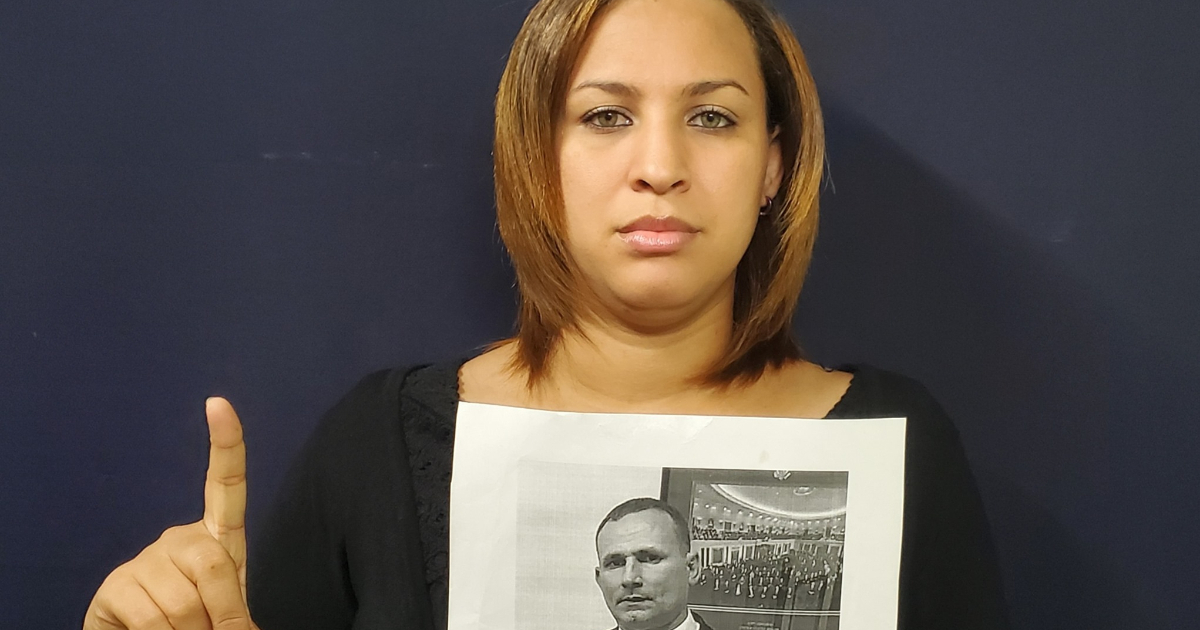
The authorities at Mar Verde prison in Santiago de Cuba denied this Monday the conjugal visit and any contact with the opposition leader José Daniel Ferrer to his wife, Nelva Ismarays Ortega-Tamayo, who chose to stage a protest in front of the prison and could face arrest.
According to the report made from the official page of the leader of the Patriotic Union of Cuba (UNPACU), Ferrer's family fears for their physical and psychological integrity and holds the highest authorities of the country, as well as the prison administration and G2 agents, responsible.
The message warns that the denial of the conjugal visit occurs days after a letter from Ferrer was made public, which purportedly angered the government: "Everything indicates that the dictatorship was very upset with the letter that was managed to be released from prison and we published it on Friday the 3rd."
The episode occurs after the release of a letter from Ferrer that intensified the atmosphere surrounding his case, and amid restrictions that, according to the family, hinder visits and basic communication.
For their loved ones, the prison decision deepens isolation and is part of a escalation of reprisals.
Ferrer’s painful decision
This Friday, José Daniel Ferrer revealed that he accepted to go into exile, a decision he describes as painful, made under extreme pressures from the regime, and driven by the need to protect his family.
Through a handwritten letter dated September 10, 2025, Ferrer denounces a series of systematic abuses and reaffirms his commitment to the fight for Cuba's freedom.
Ferrer explains that he decided to leave the country before the assault on his home on April 29, when he was returned to prison following the revocation of his parole.
It also notes that the State Security has demanded that he take advantage of exile to discredit the struggle for freedom, including the manipulation of his image.
Additionally, according to the complaint, they intended for me to ask the United States and the Catholic Church to resume negotiations with the regime.
Ferrer is emphatic: “I want to make it very clear that if my life and that of my family depends on me asking for such things, I would prefer my death in this concentration camp in the style of the Nazis (...). I am ready to die, but not to live without honor, without dignity.”
Frequently Asked Questions about José Daniel Ferrer's Situation and His Fight for Freedom in Cuba
Why has José Daniel Ferrer decided to accept exile?
José Daniel Ferrer has decided to accept exile due to the extreme pressures of the Cuban regime and with the aim of protecting his family. He denounces that he has been subjected to systematic abuses, including torture and threats, and views exile as a strategy of resistance, not a surrender.
What conditions is José Daniel Ferrer facing in prison?
José Daniel Ferrer faces inhumane conditions in prison, including beatings, torture, and prolonged isolation. He is confined in a cell infested with insects, without adequate access to food and medicine, and under constant surveillance by the political police. These conditions have been internationally condemned as human rights violations.
How has the international community reacted to the Ferrer case?
The international community has reacted with outrage to the case of José Daniel Ferrer. The United States has demanded his immediate release, and organizations like Amnesty International have identified him as a prisoner of conscience. Activists and politicians have expressed their support for Ferrer, denouncing the inhumane conditions of his imprisonment and the systematic repression by the Cuban regime.
What implications does the Cuban regime's refusal of Ferrer's conjugal visit have?
The Cuban regime's refusal to allow spousal visits to José Daniel Ferrer reinforces the isolation he is subjected to and is perceived as retaliation for his active opposition to the regime. This action raises concerns about his physical and psychological well-being and is part of a series of pressure measures against him and his family.
Filed under: