
Related videos:
The official narrative of the Cuban regime added a new chapter this Monday to the long list of unusual explanations it typically provides when the already deteriorated National Electric System (SEN) fails: this time, sargassum was the cause of the outage of a generating unit at Energás Jaruco, in the province of Mayabeque.
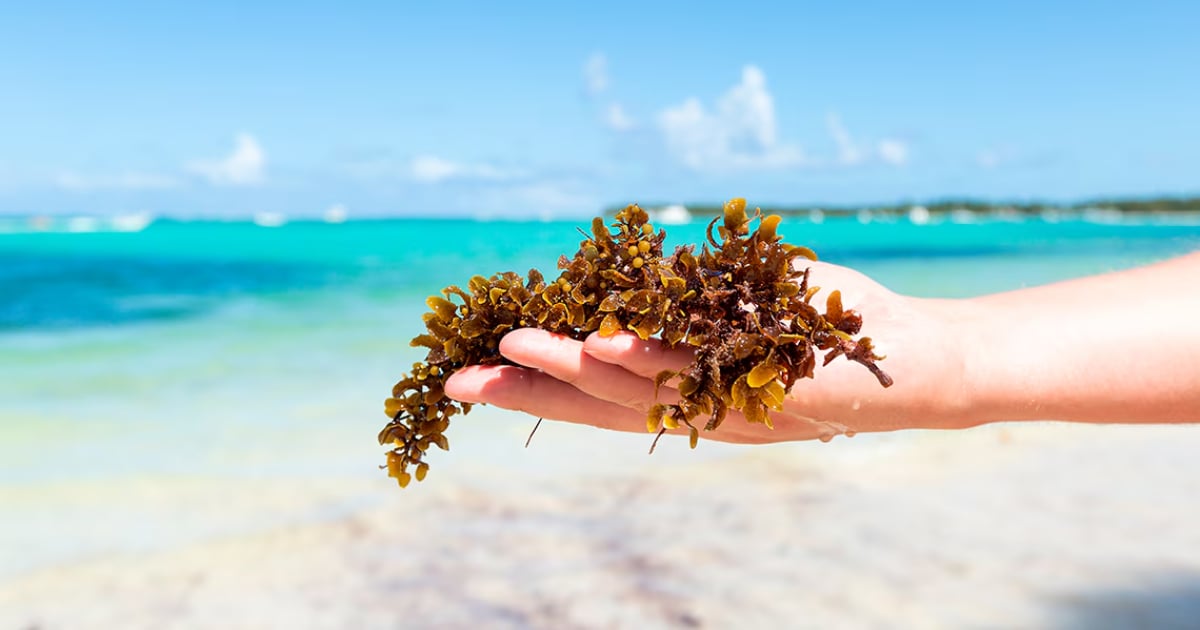
In a brief notice released at 06:55 in the morning by the Unión Eléctrica (UNE) through its , it was reported that Unit 6 of Energás Jaruco went offline due to the presence of sargassum in the intake channel of the centrifugal pump BC-4705.
The plant, which is part of the electricity generation scheme using natural gas and fuel on the northern coast of Cuba, has been rendered “inoperative for an indefinite period” while conditions for its reintegration into the system are being evaluated.
Although the affected megawatts were not specified, it is estimated that the unit contributed between 30 and 40 MW, a significant loss amid a fragile national generation capacity.
The Sea as an Excuse: A New Pretext in a Long Tradition of Justifications
It is not the first time that the natural environment has been blamed for power outages in Cuba.
In recent years, Cubans have had to listen to such bizarre explanations as thunder causing blackouts, atmospheric electrical discharges affecting substations, or local storms triggering the entire system.
Now, sargassum—a marine macroalga that proliferates in the Caribbean—takes center stage as a new antagonist.
Although the accumulation of sargassum has caused real issues for coastal infrastructure in other countries, such as desalination plants in Mexico or pumping stations in the Dominican Republic, the fact that a power plant goes offline due to algae in a canal without any protective measures or routine cleaning being planned reinforces the public perception of improvisation and precariousness.
A system in ruins
The SEN is going through one of its worst moments since the energy collapse of the 1990s. With outdated thermoelectric plants, generators out of service, and an unstable distribution network, any event—natural or otherwise—can lead to massive blackouts.
According to data from UNE itself, more than 60% of the generating fleet shows some type of structural degradation or requires spare parts that are not available in the country.
In that context, the “strange phenomena” that the regime invokes as causes of the failures take on an almost symbolic nature: they serve as smoke screens to cover up decades of disinvestment, ineffective management, and lack of planning.
Lack of transparency
Another common element in these official reports is the lack of technical details and clear timelines.
In the case of Energás Jaruco, it was not indicated how many hours the channel had been blocked, whether there was any cleaning protocol in place, or when the affected unit would be back online. It was also not reported how this outage would impact the expected generation deficit for the day.
Meanwhile, blackouts continue to impact the population with outages lasting more than 18 hours in several provinces, with no structural solution in sight.
Is the problem the sargassum?
What happened in Jaruco is just another example of how the deterioration of the Cuban electrical system is reflected not only in numbers but also in the growing absurdity of official justifications.
Nature has been turned into the scapegoat of a system that is literally crumbling.
While the regime blames the sea, the sky, or atmospheric phenomena for the blackouts, the reality is that the true "sargasso" suffocating the electric grid is the lack of maintenance, investment, and professional management.
Filed under: