
Related videos:
Amid its renewed deportation campaign, the administration of President Donald Trump has begun training military lawyers to serve as immigration judges, an unprecedented measure aimed at expediting thousands of pending cases in immigration courts across the country.
The strategy, however, has raised concerns among lawyers and advocates for immigration rights, who warn about the lack of judicial preparedness, potential ethical conflicts, and the negative impact it could have on sensitive cases such as those involving political asylum.
According to a report by Univisión, the White House is promoting this action as part of a broader plan to establish new hearing rooms within detention centers, aiming to expedite the execution of deportation orders.
The measure is based on the budget recently approved by Congress, which allocates funds to increase deportations amid a year characterized by a strong anti-immigrant rhetoric from the Executive.
"This training is already underway", confirmed Jorge Cancino, senior immigration editor at Univisión.
According to the White House, this is a strategy to enhance the efficiency of the system, but there are many doubts about its legal implementation and the risks it poses.
The immigration lawyer Ezequiel Hernández, interviewed by the media, warned that the objective is clear: to quickly fill all the new courtrooms that can be opened, both in cities and within detention facilities, to meet the official goal of deporting more than a million people this year.
To achieve this, the administration is focusing on hiring personnel who may not necessarily have a background in immigration law but do have military training and legal experience in other fields.
“Military lawyers understand the rules of evidence and the legal process, but the immigration system is a different matter,” said Hernández.
"It is an administrative environment with very specific rules and realities. Many of these new judges will not recognize common situations, such as income from the border without visa authorized by immigration agents, something that happens frequently but that not everyone will know how to assess correctly."
The central fear among defense attorneys is that military judges, lacking a deep understanding of the immigration framework, could dismiss cases before granting them a full hearing, severely impacting asylum seekers—a process that is already complex and often constrained by a lack of documentary evidence for people fleeing persecution or violence.
"There is concern that without the necessary experience, these new judges are closing cases before they have been heard," Hernández emphasized.
"The risk is that an efficiency logic is applied over due process," he added.
Another source of tension is the possibility of a decision overload without proper review, as the plan includes integrating a large number of these judges in a short period of time.
For many advocates, this could open the door to serious mistakes and violations of human rights.
Legally, the criticisms also highlight concerns about impartiality. Various organizations have questioned whether lawyers with military training and institutional culture—focused on discipline and hierarchical obedience—can fulfill judicial roles that require critical independence, legal sensitivity, and humanitarian assessment on a case-by-case basis.
"It's not just about knowing how to apply rules. It's about interpreting human circumstances. And in the immigration system, those circumstances are complex, painful, and often invisible on paper," explained a legal expert who requested to remain anonymous for fear of professional repercussions.
The political context intensifies the controversy. The measure comes amid the presidential campaign, during which Trump has revived his narrative of "zero tolerance" towards illegal immigration and has promised to "cleanse the country" of undocumented individuals.
That rhetoric, combined with institutional pressure to expedite processes, raises concerns among legal experts and advocates for the right to asylum.
"We are facing a potential transformation of the immigration justice system, where the emphasis is not on justice but on speed," Hernández warned.
"And that puts at risk the core of the rights that protect migrants in the United States," she emphasized.
Although the administration has defended the measure as necessary due to the backlog of more than two million pending cases in immigration courts, the National Association of Immigration Judges and other organizations have called for guarantees to prevent the incorporation of inexperienced personnel from leading to erratic or arbitrary decisions.
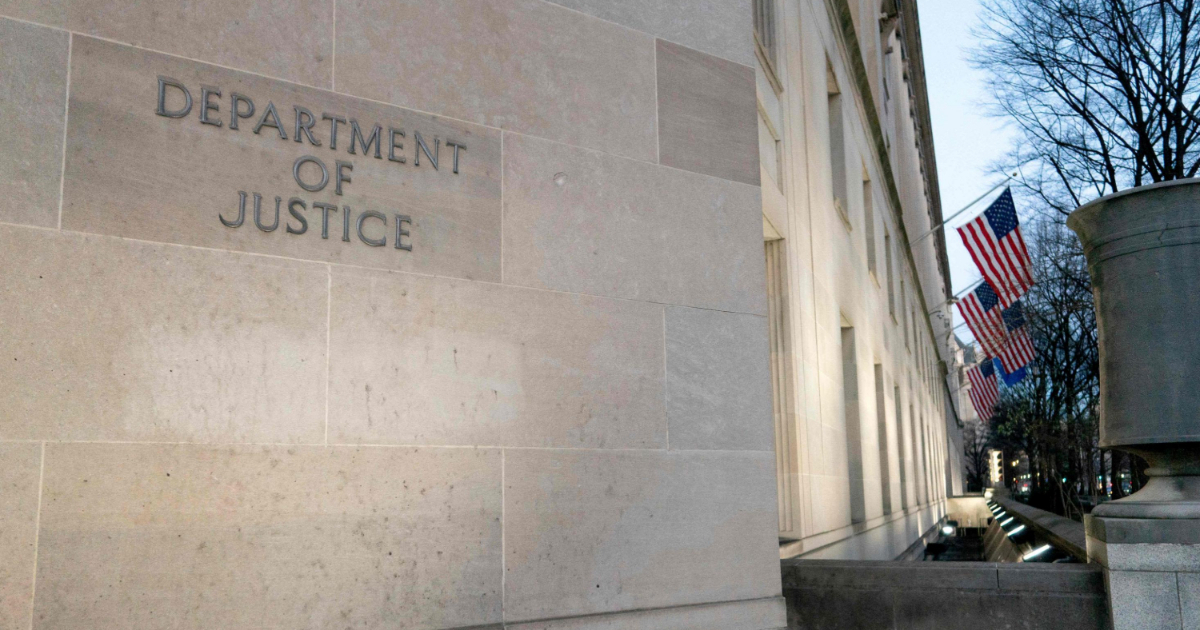
At the moment, the Department of Justice is continuing to implement the plan, while civil rights organizations are preparing potential legal resources to prevent judges without immigration training from making final decisions in cases that could determine the fate of thousands of individuals and families.
Frequently Asked Questions About Military Lawyers as Immigration Judges
Why is the Trump administration training military lawyers to be immigration judges?
The Trump administration seeks to streamline immigration processes by training military lawyers as immigration judges, in an effort to expedite the deportation of over a million immigrants within a year. This measure is part of a broader plan to establish new hearing rooms in detention centers and is supported by the budget approved by Congress to increase deportations.
What are the concerns regarding the appointment of military attorneys as immigration judges?
Concerns include the lack of judicial preparation and potential ethical conflicts, as many of these military lawyers lack experience in immigration law. Furthermore, there is fear that they may prioritize efficiency over due process, which could severely impact asylum seekers who require a thorough and humanitarian evaluation of their cases.
How are the new immigration judges being implemented in the U.S. judicial system?
The Pentagon has authorized 600 military lawyers to act as temporary immigration judges, with renewable periods of up to 179 days. The initial groups of lawyers, made up of military and civilian personnel, are already in the onboarding process. However, this measure does not include the hiring of additional administrative staff or translators, which is crucial for immigration hearings.
What impact could this measure have on the rights of immigrants?
The designation of military lawyers as judges could open the door to serious errors and violations of human rights. Critics argue that the lack of experience in immigration law and the focus on efficiency could lead to erratic or arbitrary decisions, particularly impacting asylum cases that require detailed and humanitarian analysis.
Filed under: