
Related videos:
The Trump administration prepared a classified legal memorandum authorizing the use of lethal force against a broad and secret list of cartels and alleged drug traffickers, according to several sources familiar with the document who revealed this to CNN.
The opinion, drafted by the Legal Advisory Office (OLC) of the Department of Justice, asserts that the president can order attacks because these groups pose an “imminent threat” to Americans.
Jurists consulted by CNN believe that the criterion opens the door to a full-scale war against a non-public list of organizations, by equating alleged drug traffickers with "enemy combatants" subject to summary execution without judicial review.
Historically, drug trafficking has been treated as a crime subject to due process—Coast Guard interdictions and arrests—not as an armed conflict.
A memorandum from the Department of Defense sent to Congress last week adopts this reasoning: it states that the U.S. is in “armed conflict” with the cartels and that the president has determined that their operators are “illegal combatants.”
According to sources, that document relies heavily on the OLC's opinion. Legislators have repeatedly requested a copy of the legal analysis from the DOJ and the Pentagon — including last week — without success.
Attorney General Pam Bondi is scheduled to testify on Tuesday at the Capitol and may face questions regarding the legal justification for the attacks.
The U.S. military has carried out at least four attacks against vessels in the Caribbean, with fatalities that, according to the administration, were "affiliated" with cartels designated as terrorist organizations.
The most recent attack, which occurred last week, resulted in four fatalities, as noted by Secretary of Defense Pete Hegseth on social media.
At the Pentagon, military lawyers —including specialists in international law— have expressed concern regarding the legality of the attacks.
Several current and former members of the JAG corps told CNN that they do not appear to be legal. Nevertheless, the OLC ruling is the prevailing interpretation within the Executive branch, and many legal experts at the DoD avoid publicly dissenting.
The DOJ's opinion is a key piece of a broader campaign that includes expanding the CIA's powers for lethal strikes and covert operations in the region.
Sources indicate that Trump updated those powers in line with a secret directive that ordered the military to attack Latin American cartels at the beginning of the summer.
The CIA, which was already reviewing its scope for using lethal force in Mexico and other countries, operates armed surveillance drones over Mexican territory, and the White House is working on updating an old presidential “finding” from the 1980s that regulates covert anti-drug actions.
Offensive against drug trafficking
At the end of September, Donald Trump announced that his administration would enter a new phase of its campaign against organized crime centered in Venezuela: after halting the entry of drugs by sea, the focus would now shift to the land routes of drug trafficking.
Pentagon sources have confirmed that among the options being considered is the use of armed drones to target criminal leaders and drug labs within Venezuela, although Trump has yet to give final authorization.
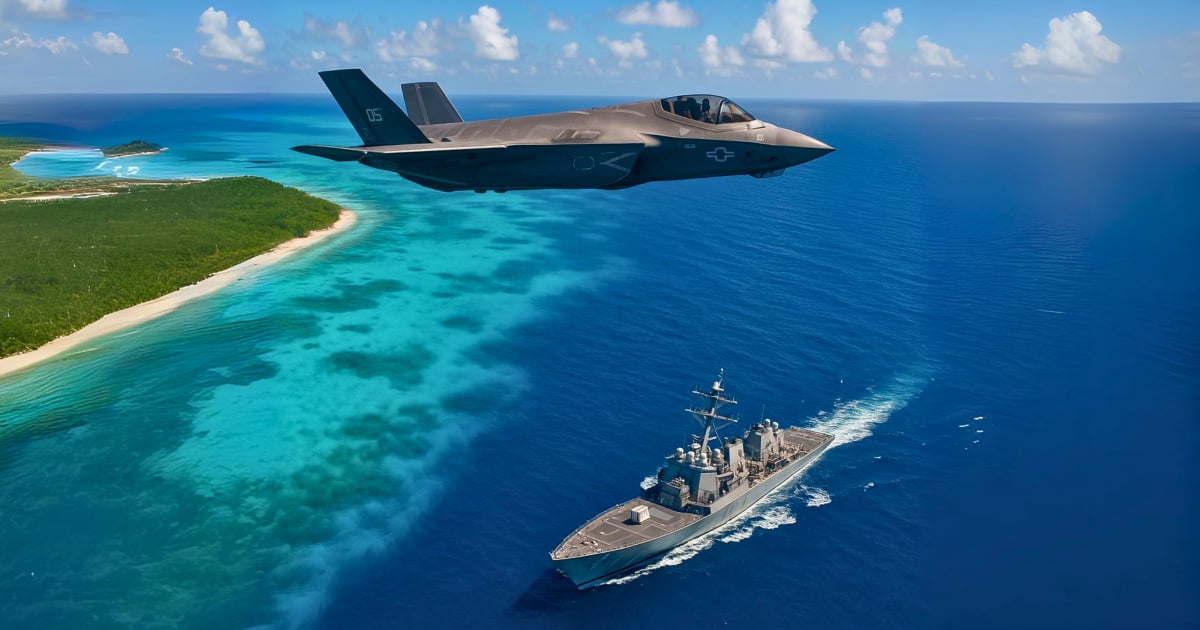
The shift towards land forces comes after weeks of operations in the Caribbean. The United States has deployed more than 15 warships, nuclear submarines, and F-35 fighter jets in Puerto Rico, along with about 7,000 personnel, marking the largest mobilization of this kind since the 1980s.
In that context, Southern Command has sunk at least three vessels coming from Venezuela in what it describes as strikes against drug trafficking. One of these incidents resulted in 11 deaths, which Washington attributes to the Tren de Aragua, designated as a terrorist organization.
Frequently Asked Questions about the Use of Lethal Force by the U.S. Against Drug Cartels
Why does the U.S. consider drug cartels an imminent threat?
The Trump administration classifies drug cartels as terrorist organizations due to their organization, violence, and paramilitary capability, posing a direct threat to the national security of the United States. This designation allows the government to take direct military actions against these groups, equating them with "enemy combatants."
What military actions has the U.S. taken against the cartels in the Caribbean?
The U.S. has conducted military strikes against vessels coming from Venezuela allegedly involved in drug trafficking, resulting in several fatalities. These actions are part of a broader campaign to combat drug trafficking in the region, which includes the deployment of warships, nuclear submarines, and fighter jets in the Caribbean.
What has been Venezuela's response to the attacks from the U.S.?
Venezuela has responded with a decree of "external shock", granting President Nicolás Maduro extraordinary powers to mobilize troops and restrict rights in the event of an external threat. Caracas has condemned the actions of the U.S., labeling them as aggression and justifying defensive measures.
What are the legal implications of the use of lethal force by the U.S. against drug traffickers?
The use of lethal force is based on a legal ruling from the Department of Justice that permits such actions by considering the cartels as an imminent threat. However, this stance has sparked controversy regarding its legality and the risk of abuse of authority, as drug trafficking has traditionally been treated as a crime under due process.
Filed under: