
Related videos:
Miami, one of the most expensive cities in the United States for renting housing, is starting to show signs of relief for the wallets of its tenants.
After years of sustained increases and a demand that seemed insatiable, rental prices are beginning to decline.
And although the decline is not uniform throughout the city, the trend has raised hopes among those who have been enduring continuous increases in their rental contracts.
According to a recent report by Telemundo 51, real estate experts agree that "for now the market will remain stable and may even continue to decrease," although they warn that the extent of the decline "depends on the area where you live."
How much has it really dropped?
According to a national report by Zomper, the decline is significant: rents in Miami have decreased by up to 10% compared to the previous year.
In practical terms, this means that a one-bedroom apartment, which a year ago could cost around $2,800 per month, is now averaging $2,500.
In the case of units with two bedrooms, the average price has dropped from $3,700 to $3,400.
Although it remains an expensive city, the fact that “Miami is ranked as the sixth most expensive city to live in the United States” has not hindered this slight but significant price correction.
Causes of the decline: Between increasing supply and market fatigue
Several factors explain this new market behavior. First of all, the dynamics between supply and demand have begun to change.
Stewart Siegert, owner of rental properties, notes that "right now it's good news because there are more listings, and with more listings, there is more competition."
That competition translates into lower prices and more varied options for tenants.
On the other hand, the evolution of the real estate market itself, characterized by high mortgage rates, led many potential buyers to choose to continue renting.
"Many people took advantage of the rental market and decided to rent because interest rates were high. The mortgages to acquire a home were very high. So they said, 'Well, let's just rent instead,'” explained Mayte Iglesias, a real estate agent, to the cited media.
This led to a dual phenomenon: on one hand, more people renting; on the other, developers responding to the demand by converting properties for rental purposes.
“Many developers took advantage of today’s high demand and then converted many condominiums into rental communities,” Iglesias added.
However, that very population—drawn by the promise of employment and stability—began to decline: “they have had to, in order not to lose their jobs, return to their place of origin, and that has reduced [...] this rental market.”
The unequal impact depending on the area and type of housing
The relief, however, is not felt equally throughout the city.
Siegert distinguishes between three types of market: type A housing (high luxury), type B (middle class), and type C (affordable or modest).
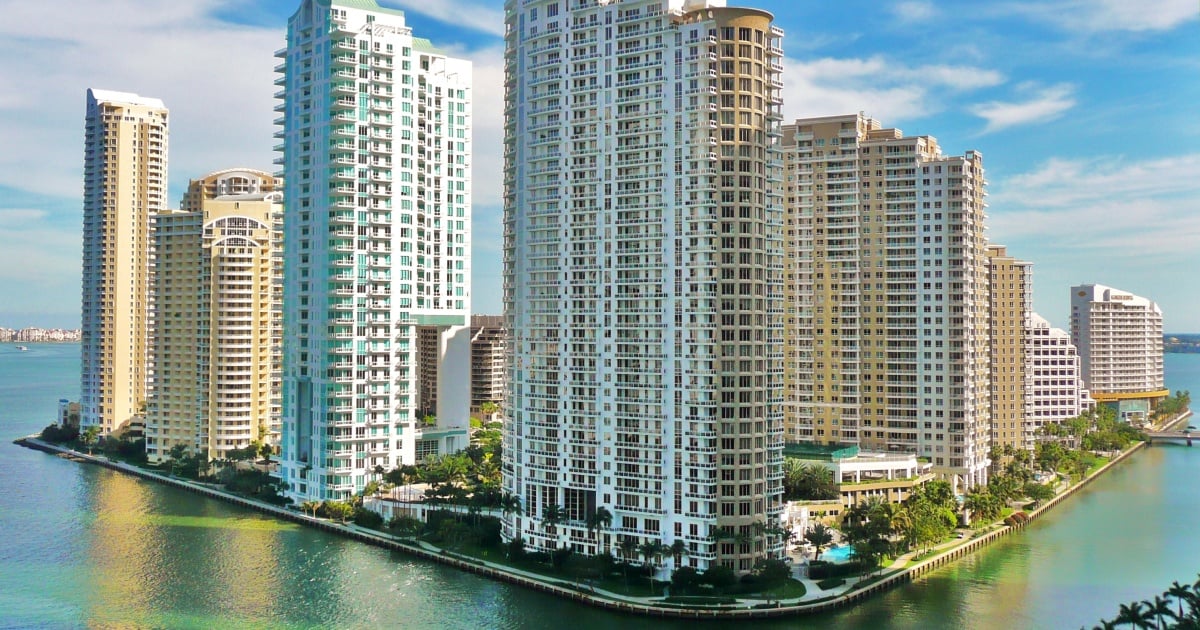
In areas like Brickell or Edgewater, considered premium zones, demand has notably cooled, leading to more stable prices.
"There we are seeing a suddenly lower demand and more stable prices," noted Siegert.
Instead, in the market for type B or C homes, especially those with one or two bedrooms, the turnover remains high.
Demand remains strong, which limits the decline in prices in those segments.
"It moves more and rotates faster, so that depends on the sector," Siegert added.
And now what?: Short-term stability, long-term uncertainty
Although prices are easing, experts do not anticipate a drastic drop.
The current trend could solidify in the short term, keeping the market stable or even leading to further reductions.
However, it is important to consider that the future trajectory will depend on multiple factors: from federal policy on interest rates to the evolution of migration and the supply of new construction.
In any case, the current decline represents an opportunity for those looking to negotiate their contract renewal or considering relocating within the metropolitan area.
The specialists' recommendation is clear: thoroughly evaluate the market, explore options in different areas, and do not assume that a high price is the only possibility.
Conclusion: A city in transition
The decline in rental prices in Miami marks a turning point in a market that has historically been dominated by increases.
Although the city remains one of the most expensive in the country, the new situation offers some hope for those who have been suffocated by unaffordable rents for years.
However, as with any economic cycle, the calm could be temporary.
For now, the only certainty is that “there are more options” and “more competition”.
And in the volatile real estate world of Miami, that is already news worth celebrating.
Frequently Asked Questions about the Decline in Rental Prices in Miami
Why are rental prices dropping in Miami?
Rental prices in Miami are falling due to an increase in supply and a decrease in demand. The high interest rate on mortgages has led more people to choose renting over buying. Additionally, many developers have converted properties into rental units, increasing competition and thereby lowering prices.
How much have rents decreased in Miami?
Rents in Miami have decreased by up to 10% compared to the previous year. For example, the average price of a one-bedroom apartment has dropped from $2,800 to $2,500 per month, while two-bedroom units have reduced their cost from $3,700 to $3,400.
In which areas of Miami is the decline in rental prices most noticeable?
The drop in rental prices is more notable in premium areas such as Brickell and Edgewater. In these areas, demand has decreased, leading to stabilization or a reduction in prices. However, in areas with B or C type housing, demand remains high, which limits price decreases.
What impact does the decrease in rental prices have on Miami residents?
The decrease in rental prices presents an opportunity for residents looking to renew contracts or move to better areas. Although Miami remains one of the most expensive cities to live in the U.S., this trend offers relief for those who have endured exorbitant rents. However, it is important to carefully assess the market before making decisions.
Filed under: