
Related videos:
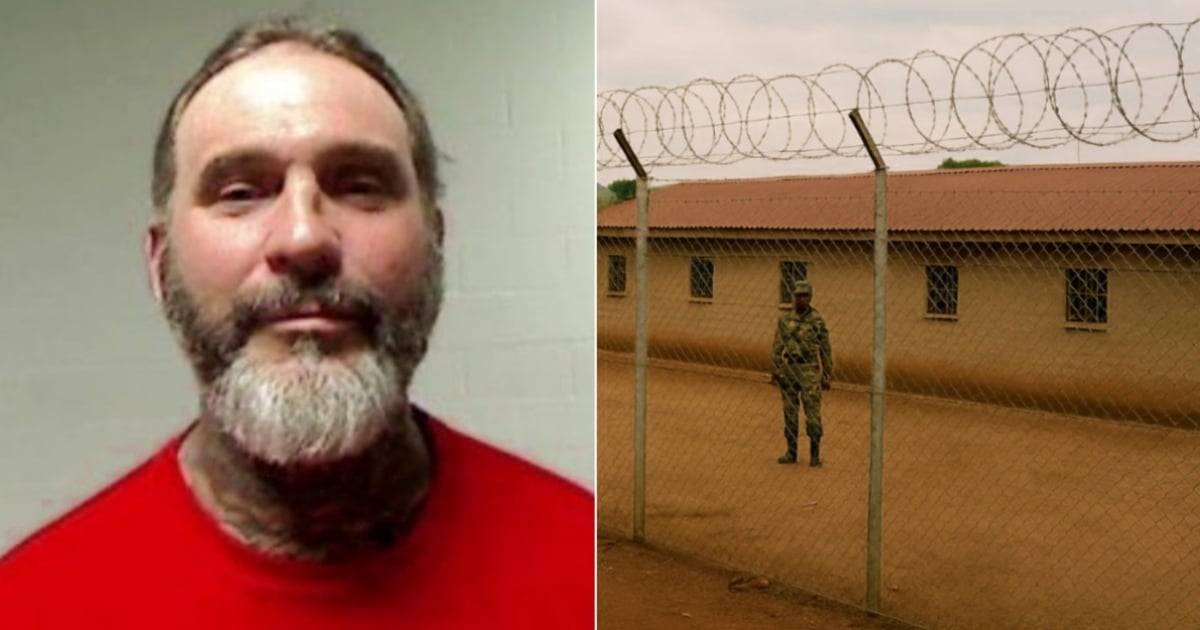
A Cuban citizen deported from the United States to Eswatini, a small kingdom in southern Africa, is currently on a hunger strike in a maximum-security prison, after being imprisoned for more than three months without charges or access to legal assistance, his lawyer in the United States reported on Wednesday.
Roberto Mosquera del Peral was one of the five men sent to Eswatini in mid-July under the deportation program to third countries implemented by the Donald Trump administration.
The plan has been heavily criticized by human rights organizations, which accuse Washington of violating due process and exposing deportees to abuse and arbitrary detention.
Mosquera's lawyer, Alma David, stated in a statement sent to The Associated Press that her client has been on a hunger strike for a week and that his health is deteriorating rapidly.
"My client is being arbitrarily detained, and now his life is at risk," he stated.
The statement urges "the Prisons Service of Eswatini to provide information about his condition and to ensure that he receives appropriate medical care. I also demand that Mr. Mosquera be allowed to meet with his attorney".
A spokesperson for the government of Eswatini referred the media inquiries to the Penitentiary Authorities, who did not respond immediately.
Mosquera was deported along with other men from Cuba, Jamaica, Laos, Vietnam, and Yemen, as reported by the Spanish newspaper El País.
Although the Jamaican citizen was repatriated last month, the others have been detained for more than three months in the Matsapha prison, near Mbabane, the capital, reported AP.
A local lawyer has filed a lawsuit in the courts of Eswatini to demand that foreigners have access to legal defense, while civil organizations question the legality of their imprisonment.
The African country, ruled by an absolute monarchy, has been criticized by international organizations for repressing political and civil liberties.
Local authorities assure that the men will be repatriated, but they have not provided a specific timeline.
The U.S. Department of Homeland Security (DHS) stated that the deported individuals had been convicted of serious crimes—including murder and rape—and described Mosquera as a gang member.
However, the lawyers argue that the men have already served their sentences in U.S. territory and that their current detention lacks legal basis.
The DHS has defended the program of deportations to third countries as an "effective tool" for expelling immigrants without legal status, offering the option to "self-deport" or be sent to nations willing to accept them.
According to Human Rights Watch, the United States has paid millions of dollars to African governments to accept deportees.
Documents reviewed by the organization indicate that Washington agreed to pay $5.1 million to Eswatini to receive up to 160 people, and $7.5 million to Rwanda to accept up to 250.
Since July, deportees have also been sent to South Sudan, Rwanda, and Ghana, as part of largely secret agreements.
This month, another ten foreigners—originating from Vietnam, Cambodia, the Philippines, Cuba, Chad, Ethiopia, and Congo—were transferred to Eswatini and remain in the same prison.
The lawyers of the detainees are reporting that the men have not been able to meet with legal representatives in Eswatini and that phone calls with their attorneys in the U.S. are being monitored by the prison authorities. The current health status of the inmates is also unknown.
"The fact that my client has resorted to such a drastic measure demonstrates the desperation and suffering they are experiencing," stated lawyer Alma David.
“The governments of the United States and Eswatini must take responsibility for the human consequences of their agreement,” it states.
Filed under: