
Related videos:
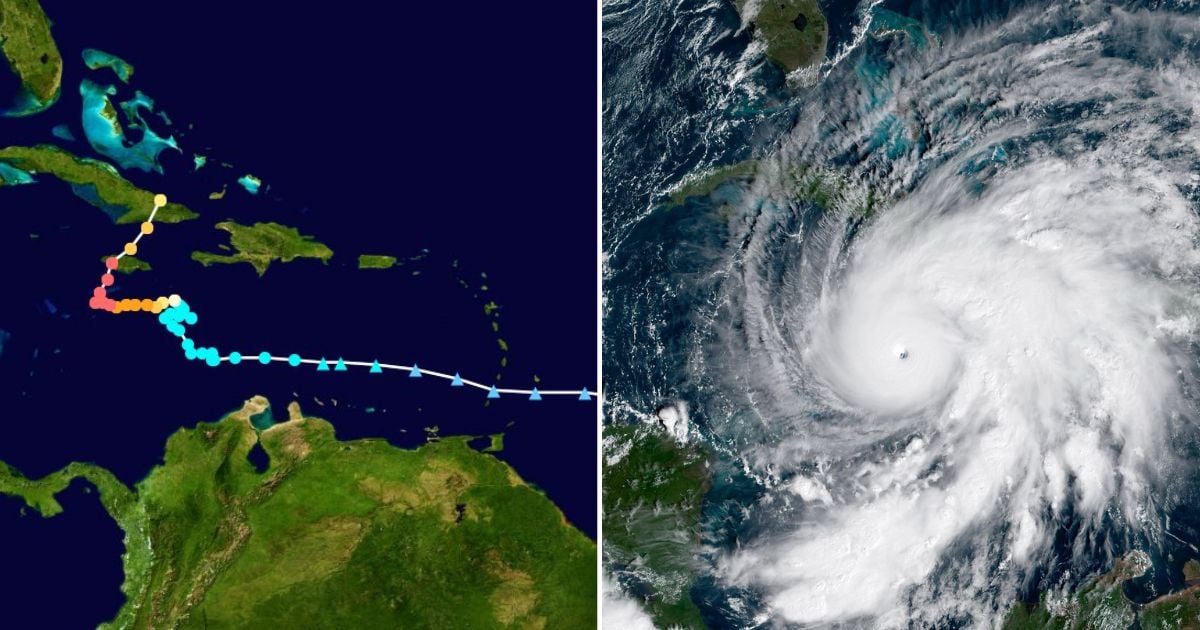
The specialist Michael Ferragamo, a renowned historian, tropical cyclone analyst, and contributor to USA Today and Fox Weather, published a list of the records and historical milestones achieved by Hurricane Melissa, which he described as an “unprecedented” phenomenon in the current Atlantic season.
Ferragamo highlighted on X that Melissa is the most powerful hurricane of the year worldwide and the third category 5 cyclone of the 2025 season, something that has only happened twice in history.
Additionally, it became the 45th Category 5 hurricane recorded in the Atlantic basin, with maximum winds of 295 km/h (185 mph) and a minimum pressure of 892 millibars, figures that rank it among the most intense storms documented since 1935.
The analyst noted that Melissa is one of the four Atlantic hurricanes that have reached sustained winds exceeding 185 mph, alongside Allen (1980), Dorian (2019), Wilma (2005), and Gilbert (1988). Its intensity matches that of the historic Labor Day hurricanes of 1935 and Wilma in terms of minimum pressure.
He added that the 2024 and 2025 seasons will become the first consecutive years in Atlantic history to register a cyclone with a pressure dropping below 900 millibars, another unprecedented occurrence in modern records.
Ferragamo also mentioned that the cyclone set preliminary world records in technical parameters, such as the driest eye ever recorded in a tropical cyclone (-2.25 °C) and the fastest wind gust measured by dropsonde (252 mph), pending confirmation by the National Hurricane Center (NHC).
Hurricane Melissa made landfall in Jamaica as the strongest in the country's history and subsequently struck with great force in eastern Cuba, where it caused severe damage in Santiago de Cuba, Granma, Holguín, and Guantánamo.
In addition, he specified that some of the data is still pending confirmation and that new records could be revealed once the NHC completes its reanalysis process.
Filed under: