
Related videos:
In the midst of the chaos and darkness left by the hurricane Melissa as it passed through eastern Cuba, the Electric Company of Santiago de Cuba reported a new and concerning phenomenon: the theft of cables and electrical materials in affected areas, a practice that -according to the entity- further exacerbates the already collapsed recovery process.
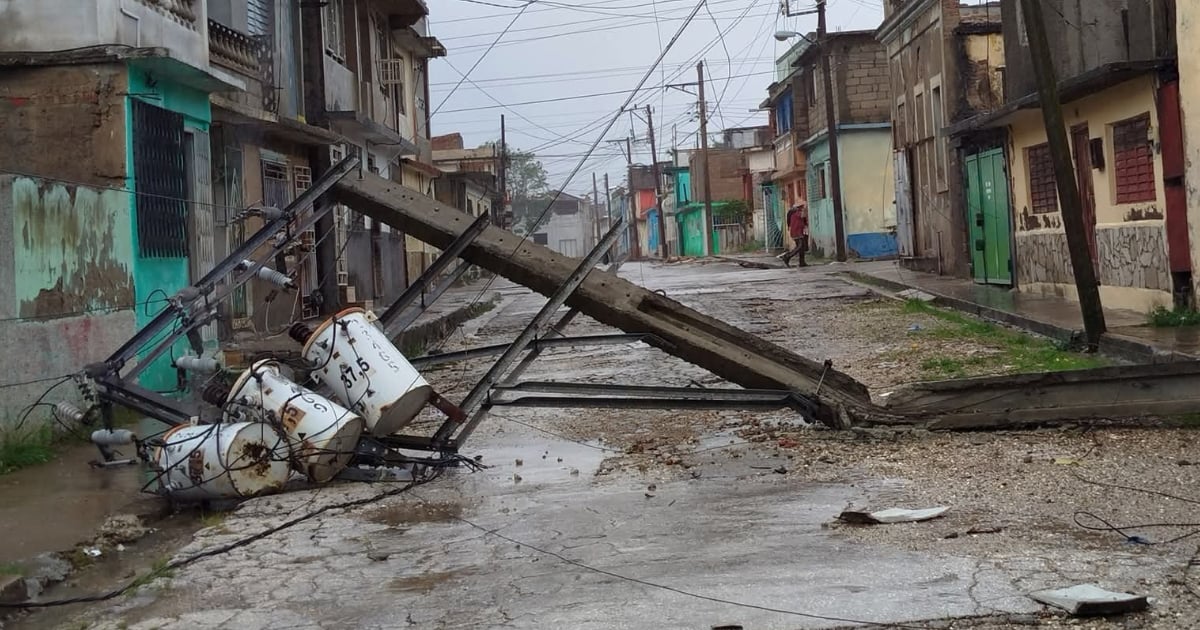
Through a post on their Facebook page, the state-owned company warned that following the hurricane, "there are wires on the ground and many elements of the power lines are exposed."
The note adds that "unscrupulous individuals are trying to appropriate these elements, which results in further delays in the process of restoring electrical service."
The message, which concludes by appealing for the "collaboration of all Santiago residents," reveals the extent of the deterioration in the Cuban electrical system and the state of desperation that prevails among the population after days without electricity, water, or communications.
Critiques from the population are abundant in the post.
"What they need to do is get started on the recovery efforts and stop all the nonsense," said a young woman.
"That's why we're in this situation; bureaucracy for everything. The sun is shining outside, people have cleared a lot of debris, and the cyclone is far away. What are they waiting for? They should have declared the recovery phase hours ago," questioned another.
"But what are they waiting for? For another little drizzle to say that it's still raining? In any weather situation that has passed through the country, the brigades have already been out working the next day..." a local from Santiago recalled.
An endless crisis: eastern Cuba remains in the dark
Hurricane Melissa struck the eastern provinces violently, leaving behind fallen poles, destroyed high-voltage lines, and flooded substations.
Since then, the eastern part of the country remains disconnected from the national system, as confirmed by the Electric Union (UNE), which announced more blackouts this Thursday due to a lack of generation capacity.
The current availability of the system barely reaches 1,050 megawatts against a demand of nearly 2,000, which has caused widespread power outages across the country.
This is compounded by breakdowns at the Santa Cruz, Céspedes, and Felton thermoelectric plants, along with a lack of fuel and lubricants that have left dozens of distributed generation plants idle.
The situation in the eastern region is particularly serious, with over 650 MW out of service.
In the case of Santiago, the provincial electric company acknowledged that repair work could not begin until the cyclone alert phase was lifted, and that the recovery will be slow due to a shortage of materials, fuel, and technical personnel.
"Hospitals, evacuation centers, and water pumping stations are being prioritized," the entity stated, while most homes remain in darkness, unsure of when the lights will be turned back on.
Robbery or survival: the reflection of a country in shadows
This type of theft has become common in Cuba, a country affected by a systemic crisis where many resort to taking what is available to survive.
The Electric Company describes these acts as unscrupulous, although some attempt to justify them by claiming that the stolen materials are resold for survival, in a context where the State does not guarantee either basic services or public safety.
As the recession worsens, the theft of electrical, telecommunications, and railway materials is increasing due to the high demand for copper and other metals in the illegal market.
The lack of oversight, the abandonment of rural areas, and the scarcity of resources in the warehouses of state-owned companies are causing the reconstruction to progress slowly.
The reflection of a structural decay
The phenomenon of electrical theft worsens each time a weather event strikes the country.
The lack of investment, the deterioration of the networks, and the precariousness of services have turned every storm into a double threat: first from the damage caused by the weather, and then from the ensuing chaos.
While the Minister of Energy and Mines, Vicente de la O Levy, repeats his usual promise that "we will move forward", the population is confronted with the harsh reality of crumbling infrastructure, an electrical grid on the verge of collapse, and a state unable to respond effectively or swiftly.
Amid the fallen cables, uprooted poles, and endless nights without electricity, the people of eastern Cuba are once again realizing that it is not just the hurricane that strikes them, but also the weight of a system that has long ceased to function.
Filed under: