
Related videos:
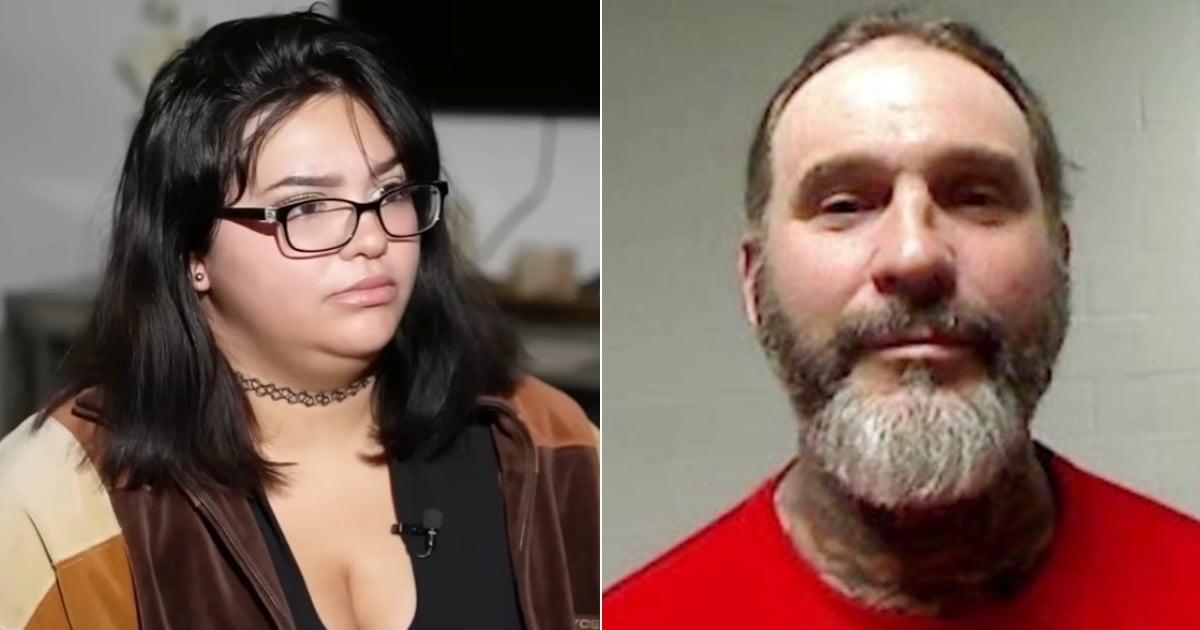
Mónica Mosquera, daughter of Roberto Mosquera del Peral, a Cuban deported to Africa in mid-July, denied that her father is the dangerous criminal described by U.S. authorities and requested assistance to clarify his situation.
In recent statements to Univision, Mónica shared that she learned about her father's deportation to Eswatini, a small kingdom in southern Africa, through television. He was relocated there along with four other men.
What surprised her the most, she said, was the headline from the Department of Homeland Security (DHS) on social media, which stated that Roberto Mosquera, 58, had been deported for being convicted of first-degree murder and aggravated assault, and that he was also a confirmed member of the Latin Kings.
“I don’t know why they are saying all this about my dad. It’s not true. He is a good man,” the young woman stated.
According to Mónica, her father was 18 years old when he was involved in a gang dispute in which a person was injured, and he was charged with attempted homicide.
The incident occurred more than two decades ago. Since his release from prison, he claims, Roberto has dedicated himself to working and supporting his family.
However, his criminal record prevented him from regularizing his immigration status in the U.S.
Still, his daughter insists that her father has already served his sentence and has no outstanding issues with the law.
What worries him the most right now is that he remains in a maximum security prison in Africa without charges or access to legal assistance.
It is also the case that on occasions Mosquera showed his support for President Trump on social media, which is why he even feels “betrayed.”
“He is very disappointed and very sad. He wanted to cry when we spoke,” said Mónica Mosquera, who has been without news of her father for over a month.
Hunger strike and deterioration of health
In recent days, it became known that Roberto Mosquera is on a hunger strike in protest of his detention.
He has been in a maximum-security prison in Eswatini for more than three months, without formal charges or access to a lawyer, according to his legal representative in the United States.
The lawyer Alma David stated in a statement sent to The Associated Press that her client had been without food for a week and that her health is rapidly deteriorating.
The text urges the prison authorities of Eswatini to ensure medical care and allow him to meet with his defense team.
However, a spokesperson for the local government referred the inquiries to the prison authorities, who did not respond immediately.
A deportation program under criticism
Roberto Mosquera was one of the five men sent to Eswatini in July under the deportation program to third countries implemented during the Trump administration, which has been heavily criticized by human rights organizations.
These entities accuse Washington of violating due process and exposing deportees to abuse and arbitrary detention.
According to international press, the other deportees were from Cuba, Jamaica, Laos, Vietnam, and Yemen. While the Jamaican has already been repatriated, the others remain detained at the Matsapha prison near Mbabane, the capital.
A local lawyer has filed a lawsuit in the courts of Eswatini to ensure that foreigners have access to legal defense, while civil organizations are denouncing the illegality of their imprisonment.
Eswatini, an absolute monarchy, has been criticized by international organizations for suppressing political and civil liberties.
Local authorities assure that the men will be repatriated, although they did not specify when.
Secret agreements and million-dollar payments
The Department of Homeland Security has defended the program as an “effective tool” for expelling immigrants without legal status, allowing them to “self-deport” or be sent to countries willing to accept them.
However, Human Rights Watch revealed that the U.S. has paid millions of dollars to African governments for accepting deportees: $5.1 million to Eswatini to receive up to 160 people and $7.5 million to Rwanda to host up to 250.
Since July, citizens from several countries – including South Sudan, Rwanda, and Ghana – have been sent to Africa under these largely secret agreements.
This month, another ten foreigners from Vietnam, Cambodia, the Philippines, Cuba, Chad, Ethiopia, and Congo were also transferred to Eswatini and remain detained in the same prison.
The lawyers of the detainees are alleging that they have not been able to meet with legal representatives and that their calls to the United States are being monitored. The current health status of the inmates is also unknown.
"The fact that my client has resorted to such a drastic measure demonstrates the desperation and suffering they are experiencing," asserted lawyer Alma David.
"The governments of the United States and Eswatini must take responsibility for the human consequences of their agreement," he concluded.
Filed under: