
Related videos:
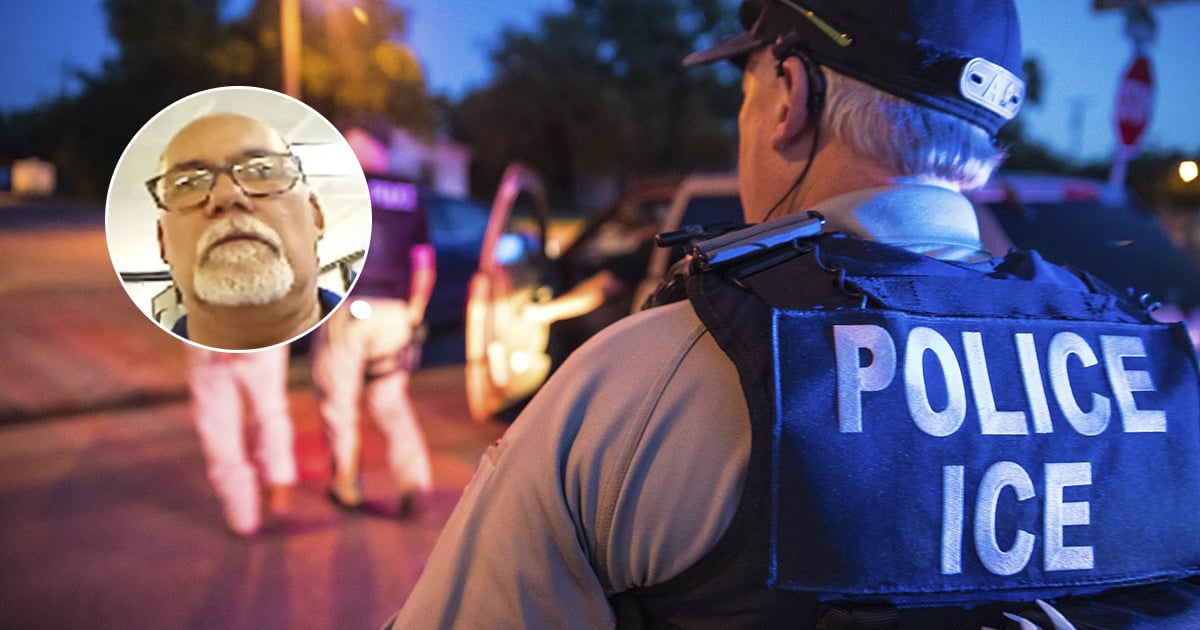
A Cuban is among the illegal immigrants with dangerous criminal backgrounds arrested by the U.S. Immigration and Customs Enforcement (ICE) during raids across the country last weekend.
The Department of Homeland Security (DHS) announced in a statement the arrest of foreign criminals with prior convictions for serious offenses, including the Cuban national Lázaro Mateo Ruiz, apprehended in Florida.
Mateo has been convicted of intentional homicide with a firearm, offense related to weapons, and robbery in Miami-Dade County.
For his crimes, ICE included him on the list “The Worst of the Worst”, a label used to describe “violent foreign criminals” who are detained for being deemed a threat to public safety.
In the report released on Monday, illegal immigrants with criminal backgrounds are mentioned, including illicit sexual relations with minors, sexual assault, kidnapping, homicide, assault, human trafficking, drug trafficking, and armed robbery.
The DHS affirmed that 70% of all ICE arrests involve undocumented immigrants who have been accused or convicted of a crime in the United States.
The ICE offensive is part of the stringent immigration control policy of the Donald Trump administration, which aims to capture and deport illegal immigrants, prioritizing those who have committed crimes.
An unspecified number of Cuban immigrants with criminal records have been arrested by ICE since January and held in detention centers, from where they are deported.
The Trump administration has sent illegal migrants with serious criminal records to third countries that refuse to accept them back to their countries of origin.
In June, a Supreme Court ruling granted the White House permission to deport certain immigrants to countries other than their countries of origin, including places where they face the risk of torture or death.
In that case, there could be numerous Cubans, as the Havana regime refuses to allow back individuals with criminal records in the U.S. or those who emigrated prior to January 2017.
Before the Supreme's final ruling, two Cubans with extensive criminal records were sent to South Sudan, while another was deported to the Kingdom of Eswatini in July. Other citizens from the island have been taken to Mexico, although the number has not been disclosed.
From January to September of this year, 999 people were deported to Cuba from the U.S. by air, under the existing migration agreements between the two countries.
Official DHS data indicates that there are over 42,000 Cubans with final deportation orders, but the authorities on the island's reluctance to take them back has complicated the expulsion processes.
Filed under: