
Related videos:
A new complaint on social media has once again highlighted the collapse of funeral services in Cuba.
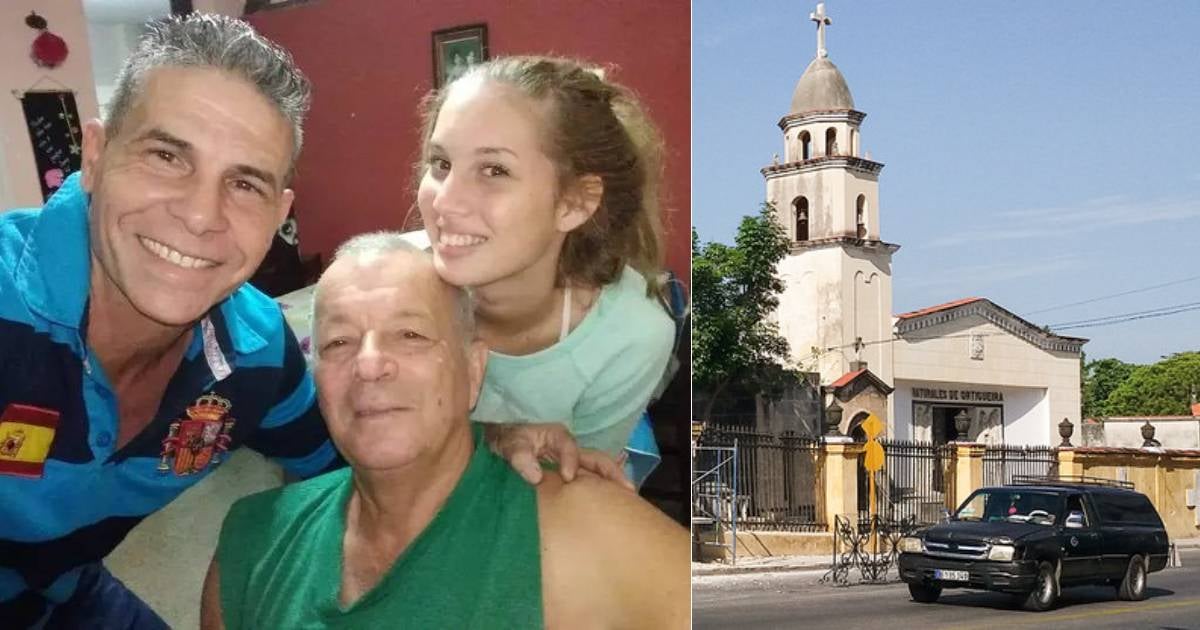
The Havana resident Vladimir Viera recounted that the body of his friend José, who lived in the Camilo Cienfuegos neighborhood in East Havana, remained unable to be transferred to the funeral home for more than 12 hours due to the lack of transportation and fuel.
“My friend José passed away around five in the morning, and it wasn’t until eight at night that they were able to take him from the naval hospital. There was no available car, no fuel, etcetera. Moral of the story: in Cuba, you can’t get sick, let alone die,” Viera wrote on his Facebook account, where he mourned the death of the man, whom he described as “a fisherman and a friend above all things.”
The case adds to a long list of complaints about delays in the collection of corpses and the inadequacy of funeral services on the island, a problem that affects both ordinary citizens and well-known figures from the arts and media.
Just a few weeks ago, the family of actress Miriam Learra, an iconic figure in Cuban theater and television, reported that her body had not been picked up by the funeral services in Havana for over 10 hours. The situation was brought to light by actor Antonio Arroyo, who called for empathy and assistance in the face of the lack of institutional response.
Similar cases have been reported in other provinces. In Holguín, the delay of more than 15 hours in retrieving the body of an elderly woman sparked a neighborhood protest, and even the family laid the body on a bed at the threshold of the house and blocked the street in a show of indignation. In videos shared on social media, the mourners could be heard lamenting that “in Cuba, there is no respect even for the dead.”
Even government-affiliated journalists have acknowledged the magnitude of the problem. In February, Guillermo Carmona Rodríguez from the newspaper Girón reported that the burial of his grandmother in Matanzas was nearly impossible due to a lack of fuel and bureaucratic obstacles. "Dying is also a bureaucratic process", he wrote in his chronicle, describing the hours of waiting for state authorization to supply the hearse.
The crisis, acknowledged even by state media, is due to a combination of factors ranging from the shortage of fuel and operational vehicles to the lack of maintenance and basic infrastructure in funeral homes and cemeteries. In many provinces, only a portion of the fleet designated for transportation is operational, and coffins are scarce or arrive with manufacturing defects.
In July, the state broadcaster Radio Mayabeque acknowledged that saying goodbye to a loved one in Cuba “has turned into an obstacle course”, marked by institutional disorganization and a lack of resources.
The result is a chain of delays and undignified situations that prolong the suffering of families, forced to keep the bodies for hours, or even days, under inadequate conditions while waiting for transportation that never arrives.
Filed under: