
Related videos:
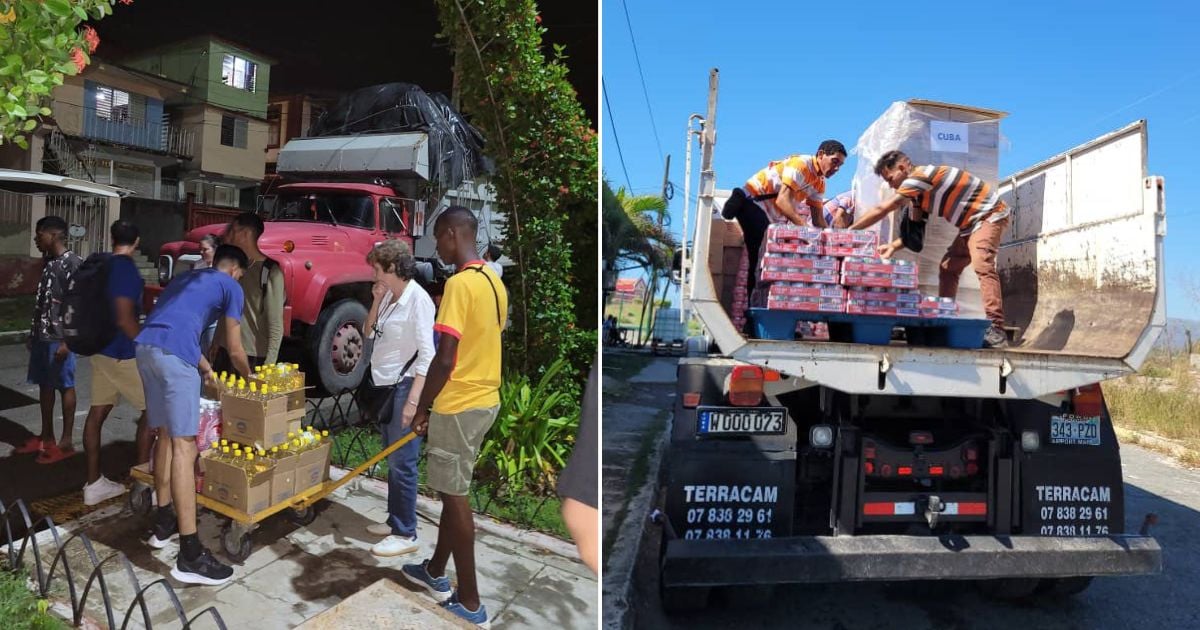
The Catholic organization Cáritas in Santiago de Cuba continues to provide food support to thousands of families affected by Hurricane Melissa, through solidarity dining halls and the distribution of humanitarian aid throughout the eastern diocese.
According to reported this Sunday by Ana María Piñol Navarrete, director of Cáritas Santiago de Cuba, more than 3,000 people receive daily meals through emergency dining facilities established after the cyclone, which caused severe damage to homes and infrastructure in eastern Cuba.
The actions are part of the humanitarian response plan coordinated by the Church alongside international organizations.
Between November 5 and 16, Cáritas completed the distribution of 2,464 food modules and 350 "queen" pots donated by World Central Kitchen (WCK), in addition to the preparation and distribution of another 1,400 modules to families affected in various parishes.
"This help has been made possible thanks to the joint effort of volunteers, many of whom are also affected, who continue to serve with hope," Piñol pointed out.
The report also highlights the arrival of more than 20 tons of food from Miami, as well as new shipments from Villa Clara, Havana, Matanzas, and Panama.
This latest one included 1,625 tents donated by Catholic Relief Services (CRS), intended for families who lost their homes.
The donations are distributed among the dioceses of Santiago de Cuba, Bayamo-Manzanillo, Holguín-Tunas, and Guantánamo-Baracoa.
Cáritas expressed gratitude for the support from the communities and organizations that have made it possible to sustain assistance during one of the most challenging times for the eastern part of the country.
"We thank those who share not what they have in excess, but what they truly possess; with that dedication, mountains are climbed and walls are brought down," expressed the director in her statement.
The work of the Church has become one of the main sources of support for affected families, in a context where the official response from the regime has been limited.
For example, the solidarity dining rooms not only provide food but also offer human companionship and hope in the midst of the emergency.
Filed under: