
Related videos:
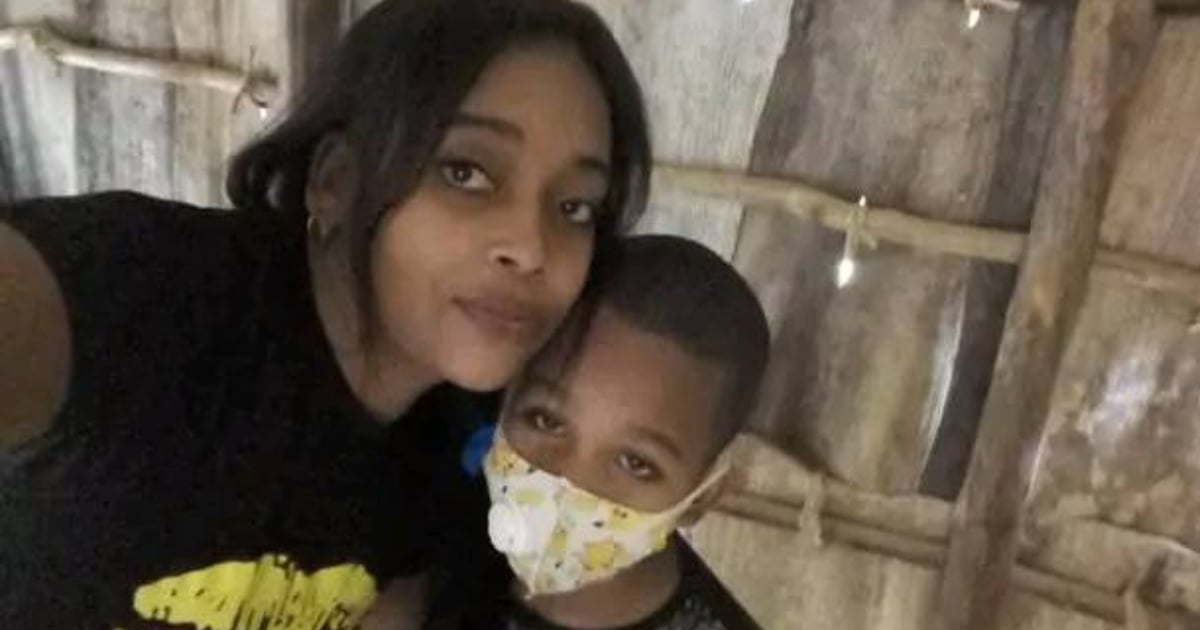
The cry of a Cuban mother once again brought a name and a face to the health crisis affecting Cuba. Reyna Rosales, a resident of Bayamo, experienced the worst imaginable fear this past weekend when she saw her 12-year-old son convulsing in a waiting area without oxygen, without IVs, and without a doctor who could assist him in time.
"My child almost died on me yesterday... There was no oxygen, there was nothing," the woman wrote on Facebook, in a testimony that summarizes what thousands of families are facing amid the viral outbreak affecting the Island.
Arian Jesús, his son, arrived at the 13 de Marzo Polyclinic with a fever of 39 degrees, delirious, and unable to receive dipyrone due to an adverse reaction. There were no alternatives. There were also no IV fluids available.
Reyna had to run out to find one on her own while her son was deteriorating. When she returned, she found him convulsing with purple lips. The polyclinic had no oxygen to stabilize him. There was also no emergency vehicle to transfer him.
What happened to that family was not an exception. It is the starkest picture of a collapsed system.
The feminist observatory Alas Tensas amplified the complaint, recalling that it adds to hundreds of testimonies from parents and doctors describing overwhelmed emergency rooms across the Island. “Where is the so-called first-rate public health?” Reyna wrote, overflowing with indignation.
The independent journalist Ernesto Morales, who has direct contact with residents of Bayamo, confirmed this on his social media, stating that “this is a nightmare. The Children's Hospital is collapsed, the Céspedes is collapsed, the polyclinics are impossible to enter. We are dying in those filthy corridors and no one is doing anything.”
His words are not a metaphor. The images that have emerged from hospitals in Granma show makeshift stretchers, patients on the floor, rusted furniture, desperate family members, and unreliable equipment.
Doctors and activists describe a "war-like" scenario in early 2025. Meanwhile, the authorities insist that "no patient is left without care."
Cuba is currently facing a perfect storm with dengue, chikungunya, Oropouche fever, and other viruses circulating simultaneously, coinciding with a healthcare system lacking medications, stable water supply, reagents, and basic supplies to handle pediatric emergencies. The Ministry of Public Health itself acknowledged this year that the coverage of medications is just around 30%.
In that context, Reyna's complaint is not just the story of a child on the brink of death; it is a portrait of the everyday fear faced by thousands of families who no longer trust that a healthcare center can save their children.
It is also a portrait of a country where the "medical powerhouse" is collapsing while infections multiply, hospitals are sinking into disrepair, and the government avoids admitting the collapse.
Filed under: