
Related videos:
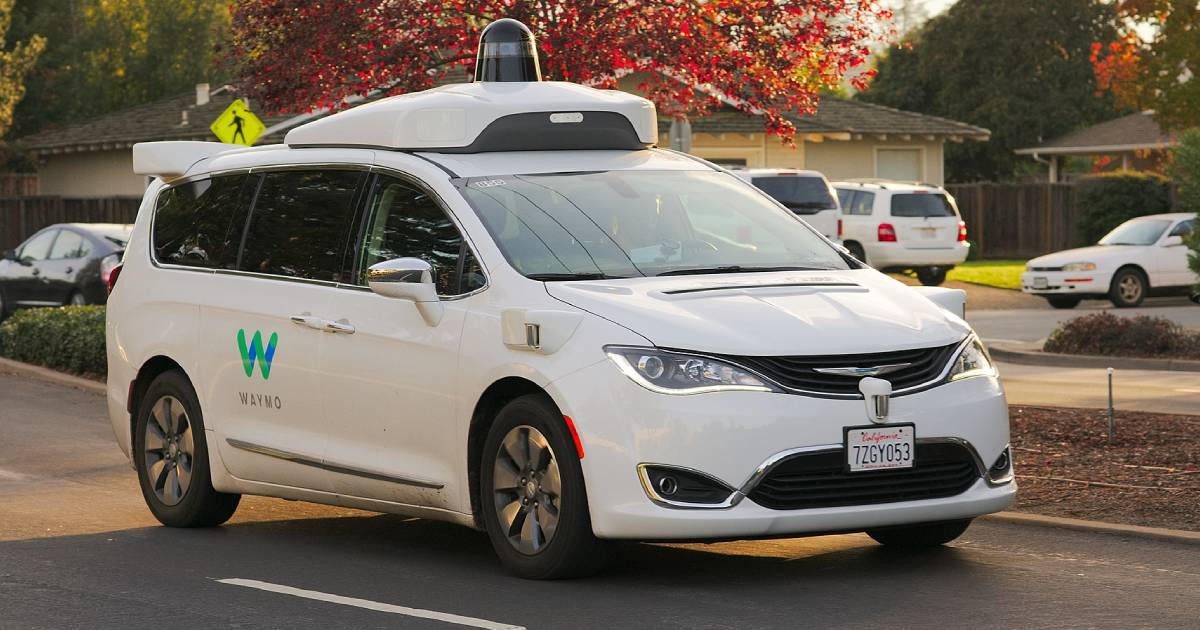
The revolution of driverless taxis is advancing rapidly in the United States, and it is now making its way to the southern part of the country with Waymo, the autonomous vehicle company owned by Alphabet (Google's parent company), following its announcement that Miami and Orlando will be part of its operational map starting in 2026, as reported by CNBC.
The tech giant will begin to roll out its self-driving cars on the streets of these cities in the coming weeks, although initially, it will only be for company employees. The public launch is set for next year.
The expansion also includes Dallas, Houston, and San Antonio in Texas, further solidifying Waymo's entry into two of the largest and most complex urban markets in the country.
“Waymo has entered a new phase of commercial scaling, doubling the number of cities where we operate without a human specialist in the vehicle,” said Saswat Panigrahi, the company’s head of product, in statements sent via email to CNBC.
A leap that sets trends... and competition
The announcement coincides with a similar move by Zoox, the robotaxi company owned by Amazon, which started allowing some users in San Francisco to request rides in their fully autonomous vehicles.
The company is already providing payment services in Austin, San Francisco, Phoenix, Atlanta, and Los Angeles, and has surpassed 10 million trips, according to figures shared in May.
It has also started trials in New York and Tokyo, and announced future expansions to Detroit, Las Vegas, Nashville, Washington D.C., San Diego, and London.
Who is Waymo and why does it matter?
Waymo was born as Google's self-driving car project in 2009 and became an independent company under Alphabet in 2016.
Its evolution has been rapid and steady, with the development of sensor-based autonomous driving technology, artificial intelligence, and high-precision maps, making it one of the most advanced companies in the robotaxi race.
In November 2025, the company announced that it would expand its driverless operations to new cities in Texas and Florida, something it now confirms with specific dates.
Many Cubans living in Florida, especially in Miami, could be direct witnesses to this transformation in urban transport. For those who have recently emigrated, this type of innovation still feels almost like science fiction, especially when they compare it to the transportation crisis in Cuba, where the lack of fuel, the deterioration of public transport, and reliance on private taxis define daily life.
Filed under: