
Related videos:
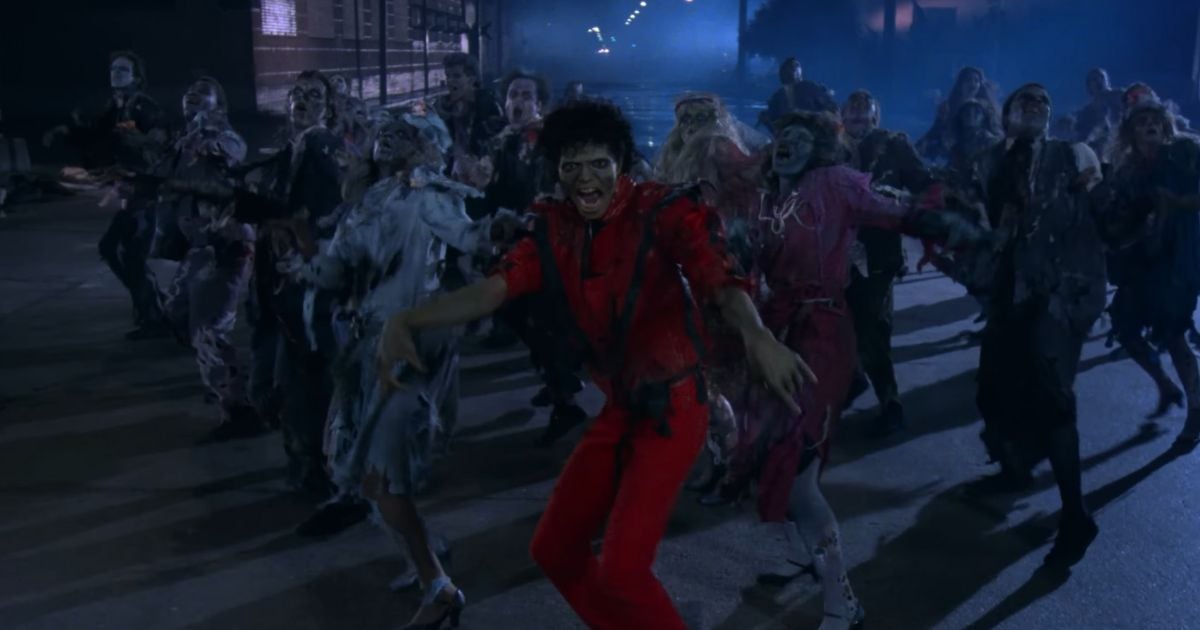
In the midst of the uncontrolled spread of chikungunya in Santiago de Cuba and throughout the country, a state journalist compared the condition of the patients to the zombie dance from Michael Jackson's famous music video Thriller.
Daylyn Herrera, a state official reporter for television in Santiago de Cuba, posted on Facebook a description that has attracted attention for its graphic and unusual tone among spokespersons aligned with the regime.
In his message, Herrera compared the effects of the chikungunya virus to scenes from Michael Jackson's iconic music video Thriller, referring to the visible suffering in the homes and workplaces of the eastern city.
“In homes and workplaces in Santiago de Cuba, it sometimes seems like a scene from Thriller. There are no makeup or choreography, but there is a slow, painful, almost spectral movement: the unsteady steps of those suffering from the chikungunya virus,” the journalist wrote, using a metaphor that illustrates the physical and emotional impact of the disease on the population.
Herrera described how patients move “bent by joint pain, unable to keep up with the rhythm of daily life,” noting that the name of the disease originates from an African word meaning “to twist” or “to bend,” due to the hunched posture of the patients.
In her post, the spokesperson for the regime also addressed the causes of the outbreak affecting the province: high temperatures, frequent rains, accumulation of water in household containers, and the persistence of waste following Hurricane Melissa, all factors that have favored the proliferation of the Aedes aegypti mosquito, a vector for dengue, Zika, and chikungunya.
Although he highlighted the efforts of health authorities with fumigation campaigns and garbage collection, Herrera implicitly acknowledged the ineffectiveness of the measures in light of the magnitude of the outbreak, noting that the situation requires "community discipline and institutional coordination" to curb the spread of the virus.
The journalist also mentioned the social consequences of chikungunya, which include absenteeism from work, a strain on health services, and a decline in local economic activity.
In her words, the city faces "an unexpected choreography, marked by pain and the struggle against a visible enemy."
The comparison of a state journalist with the famous Michael Jackson music video, at a time when the regime has long underestimated the extent of the epidemic, highlights the seriousness of the health outbreak and the widespread discontent in Santiago de Cuba, where citizen testimonies agree that hospitals are overwhelmed, fumigation efforts are irregular, and access to medications is nearly nonexistent.
Dr. Francisco Durán García, national director of Epidemiology at the Ministry of Public Health (MINSAP), admitted this Tuesday on state television that the reported figures for dengue and chikungunya infections by the regime “do not always reflect reality”, as many sick individuals do not seek medical services and, therefore, are not officially recorded.
“The information collected in statistics does not always reflect reality, because many people do not go to the doctor,” acknowledged the official during his appearance on the program Buenos Días of Televisión Cubana.
Durán explained that the country is experiencing a "complex epidemiological situation" characterized by the active circulation of dengue and the rapid spread of chikungunya across all provinces.
According to the report, on the previous day, 1,706 patients with unspecified febrile syndrome were recorded, and 3,226 individuals were admitted, of which 84.1% remain under home care.
A total of 47,125 patients are currently hospitalized in health institutions. The official acknowledged that chikungunya is currently the main health issue, due to the number of infections and the severity of the symptoms.
Filed under: