
Related videos:
The Institute of Tropical Medicine “Pedro Kourí” (IPK) presented the “Management and Research Protocol for Patients with Chikungunya”, a document developed alongside the Ministry of Public Health of Cuba (MINSAP) in response to the outbreak of this disease reported in several provinces of the country, including Havana.
The protocol provides a comprehensive guide for the diagnosis, treatment, and clinical follow-up of patients infected with the Chikungunya virus (CHIKV), transmitted by the Aedes aegypti and Aedes albopictus mosquitoes.
The illness, which causes high fever and severe joint pain, has been confirmed in various municipalities across the country since its initial detection in July 2025 in Matanzas.
The document, of a technical and regulatory nature, establishes the clinical phases of the disease (acute, post-acute, and chronic), the criteria for severity and hospitalization, and the therapeutic procedures based on age groups and special conditions, including pregnant women, neonates, and critically ill pediatric patients.
Among the highlights, the IPK warns that although most cases are self-limiting, severe forms have been described with neurological, cardiac, and renal involvement, particularly in the elderly, immunocompromised individuals, and patients with chronic diseases such as diabetes or hypertension.
The text also includes differentiated protocols for neonatal and pediatric care, when it has been determined that the virus primarily affects children.
Likewise, measures for prevention of vertical transmission, as well as an extensive section on rehabilitation and natural and traditional medicine (MNT), aimed at pain management and functional recovery during prolonged phases of the disease.
The IPK emphasizes the importance of a coordinated and multidisciplinary response at all levels of the national health system, with a focus on early detection, epidemiological surveillance, and clinical management based on scientific evidence.
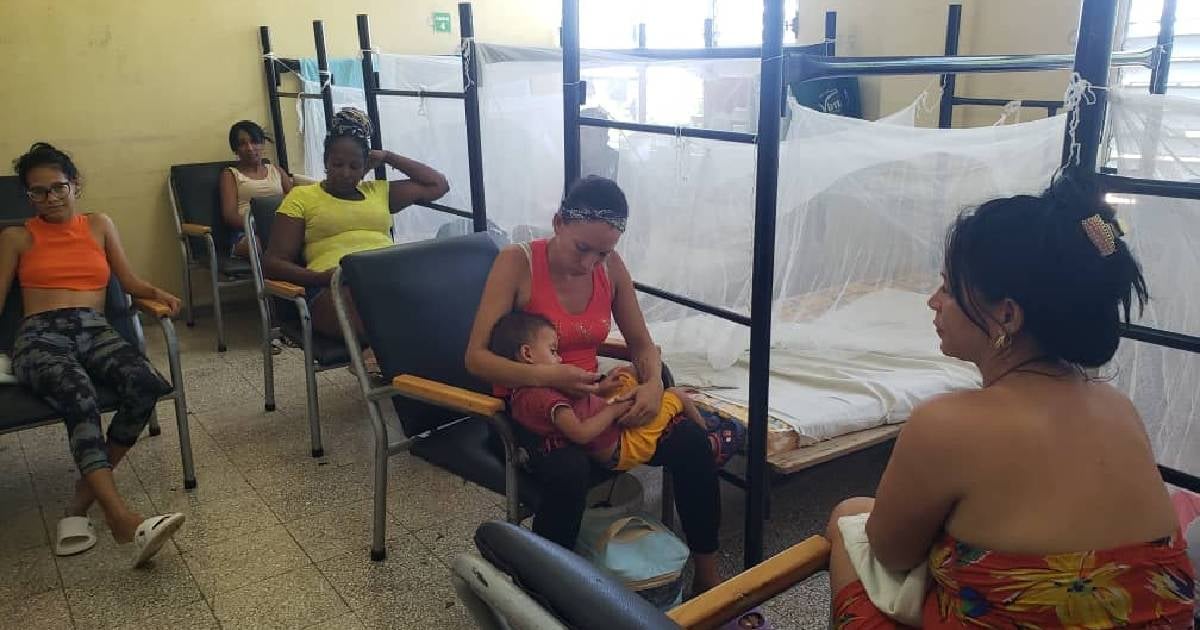
However, it does not address the hospital conditions for the care of patients, the availability of medications to treat the disease, and the preventive measures to avoid the transmission of this illness, which can leave lasting effects for several months or years.
"Chikungunya, although historically considered a mild disease, can have a significant impact on the health and quality of life of patients. This protocol aims to standardize medical care and reduce complications," the document states.
The disease has spread across all regions of the island, amidst a growing lack of prevention protocols, unsanitary conditions, and poverty.
Filed under: