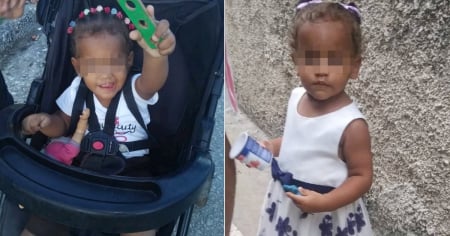
The health emergency in Cuba has reached a critical point. In his most recent television appearance, Dr. Francisco Durán García acknowledged that 34 minors are hospitalized in severe or critical condition due to chikungunya, the virus that —in his own words— represents today “the main health problem in the country.”
The national director of Epidemiology at the Ministry of Public Health (MINSAP), a regular spokesperson for the regime on health issues, also admitted that the official figures "do not always reflect reality," given that many sick individuals do not seek medical services due to the lack of medications, long wait times, or distrust in the system.
Even so, during her appearance on the television program 'Buenos Días', she spoke about more than 3,000 new daily cases and over 47,000 people hospitalized, confirming what doctors and citizens have been reporting for weeks: Cuba is facing an overwhelming and poorly managed epidemiological crisis.
Chikungunya strikes hard at childhood
Durán specified that 63 patients are currently in intensive care units, of which 44 are in serious condition and 19 are in critical condition. Of these, only ten are adults: the rest are under 18 years old. In other words, the vast majority of the most severe cases involve children and adolescents.
Although the epidemiologist did not provide details about the ages or the most affected provinces, his statement confirms a concern that is troubling the international medical community: the impact of chikungunya on the pediatric population may be much more dangerous than was assumed for years.
According to recent research by the World Health Organization (WHO) and the Pan American Health Organization (PAHO), children infected with the virus may develop neurological, cardiac, and hepatic complications, along with a high risk of dehydration and persistent fever.
In infants and children under two years old, the infection can cause seizures, viral meningitis, encephalitis, and capillary leak syndrome, a potentially life-threatening condition that causes fluid loss from blood vessels to tissues.
Additionally, pediatric studies conducted in Brazil and India have documented that one in ten affected minors develops chronic joint pain for weeks or months after infection, limiting their mobility and ability to attend school.
In newborns—especially if the mother is infected during pregnancy—there is a risk of vertical transmission, with severe consequences such as brain damage or widespread inflammation.
Figures, promises, and silences
While Dr. Durán presents alarming data on television, the Minister of Health, José Ángel Portal Miranda, still has not made a public appearance. His silence stands in stark contrast to the magnitude of the crisis and the severity of the figures acknowledged by his own team.
No official has submitted a detailed report with budgets, contingency plans, or risk assessments to date.
The official discourse insists on blaming the mosquito—and ultimately the citizens—but avoids addressing the structural failures of the healthcare system: the shortage of insecticides, the collapse of fumigation campaigns, the lack of technical personnel, and the precariousness of hospitals.
Durán himself acknowledged that 21% of the fumigation plans are not being fulfilled due to a lack of equipment and resources, and that more than 160 brigades were unable to operate last week.
The result is visible across the entire island: overwhelmed hospitals, neighborhoods flooded with garbage, endless lines to obtain pain relievers or antipyretics, and families who prefer to seek care at home rather than go to centers lacking medicine and proper conditions.
Children as a thermometer of collapse
The figure of 34 children in serious or critical condition—in a system that claims to prioritize child health—is a symbol of the collapse of Cuban healthcare.
This is not just a viral epidemic, but evidence of a State that has stopped caring for its citizens. Chikungunya, a disease preventable through sustained vector control, has become a national threat because the country lacks infrastructure, political will, and transparency.
The intense pain caused by the illness—described by doctors as "debilitating"—is now also a reflection of social suffering. Desperate parents, exhausted doctors, and hospitals lacking supplies are part of the same picture: that of a sick nation, neglected and without visible leadership.
While the regime calls for calm, issues slogans, and promises control, Cuban children are fighting a silent battle in intensive care units.
And the question remains: Who is accountable for them?
Filed under: