
Related videos:
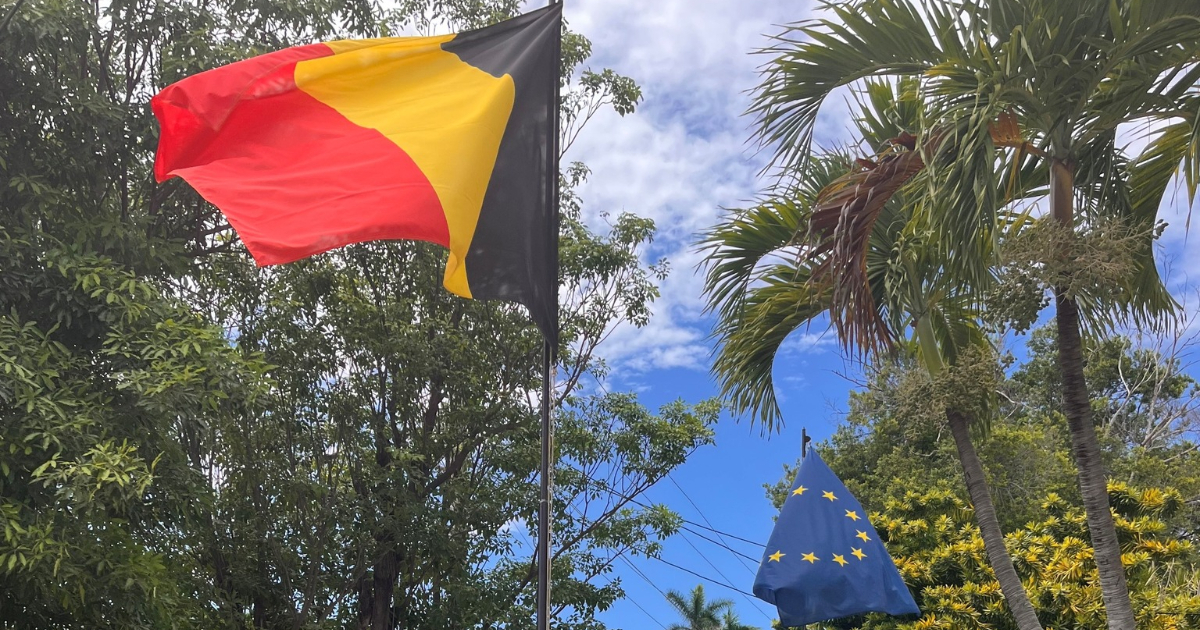
The Belgian government announced the closure of its embassy in Havana as part of a strategic adjustment to its diplomatic network, prompting an immediate reaction from the Cuban regime, which expressed its "surprise and disappointment" at the news.
The announcement was confirmed on November 18 by the Embassy of Cuba in the Kingdom of Belgium, which released a statement expressing regret over Brussels' decision and stating that the measure "does not correspond" to the historical ties between the two nations.
Havana considers the Belgian decision inexplicable after more than 120 years of bilateral relations that, according to the text, have fostered cultural, academic, scientific, economic, and consular exchanges.
The regime claims that the closure contrasts with Belgium's alleged interest in strengthening its ties with Latin America and the Caribbean, and expressed hope that the measure does not harm the connections between institutions, entrepreneurs, and "the many friendships that have been established between both peoples."
Despite the diplomatic complaint, on November 20, the Cuban Embassy attempted to strengthen a friendly view of the bilateral relationship.
On his X account, he posted a campaign about the "120 years of friendship and cooperation" between both countries, accompanied by the message: "Follow us! #EndTheBlockade."
Belgium argues: "It's a strategic redeployment."
Days before the Cuban claim, Belgium's Deputy Prime Minister and Foreign Minister, Maxime Prévot, explained the decision as part of a deep restructuring of its network of embassies.
Belgium, he said, will reinforce around 20 representations, open five new ones, and close eight, including the one in Havana, with the aim of optimizing resources and focusing on regions where its interests hold greater political and economic weight.
Prévot emphasized that the closure "does not mean the end of our diplomatic relations" with Cuba, and clarified that the connection will continue through embassies in neighboring countries and special envoys. Consular services for Belgian tourists in the Caribbean will be managed from Panama.
In his statement, the minister described the plan as a forward-looking initiative rather than a political break.
He defended his country's right to "reconsider its network of diplomatic posts" without relying on the inertia of having "always been there," rejecting the idea that historical ties guarantee a permanent diplomatic presence.
A new lockdown affecting Havana
The closure of the Belgian embassy comes just a month after Ukraine announced the end of its diplomatic presence in Cuba and a reduction in the level of bilateral relations, due to the regime's complicity with Russia and the recruitment of Cubans for the war in Ukraine.
The Ukrainian foreign ministry then explained that its country's vote in the UN - in favor of the U.S. embargo against Cuba - was in response to the "inaction of the Cuban authorities" regarding the recruitment of citizens by the Russian army.
Kiev accused the regime of supporting Moscow's aggression and warned that its decision was not against the Cuban people but against their government.
A diplomatic setback for Havana
Although the regime tries to present the closures as mere administrative decisions by other countries, the departure of embassies highlights a deterioration of Cuba's international relations during a time of profound political and economic crisis.
The loss of diplomatic presence in its territory reduces its margin for maneuver, limits its access to bilateral cooperation, and places Havana in an even more dependent position on alliances with Moscow and other internationally questioned governments.
For now, the Cuban government claims that it will continue to work to "expand ties of friendship and cooperation," but it will have to do so with fewer physical interlocutors on its own territory.
Meanwhile, Belgium has already confirmed that the decision is final and that its withdrawal will be implemented between 2026 and 2027.
Filed under: