
Related videos:
The Embassy of Germany in Cuba announced on Tuesday a contribution of $330,000 to the Caribbean nation to assist those affected by the hurricane Melissa, through the Central Emergency Response Fund of the United Nations (CERF/UNCERF).
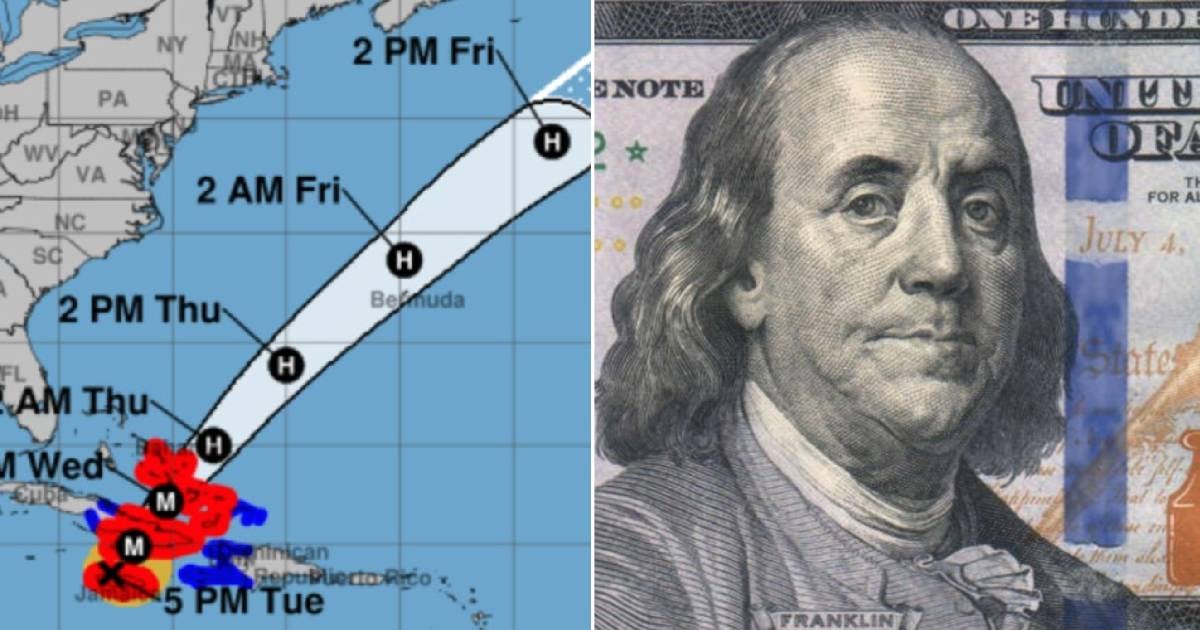
In a message posted on the social network Facebook, the diplomatic mission expressed its solidarity with the Cuban people in light of the threat posed by the powerful cyclone, which is approaching the eastern part of the island as a category 4.
"We stand with Cuba in these difficult times. Germany is contributing $330,000 to assist those affected by Hurricane Melissa, through the United Nations Emergency Fund (#UNCERF)," the embassy stated in its announcement.
Support channeled through the United Nations
The German contribution adds to other recent international donations, such as those from Norway and the United Nations Development Programme (UNDP), which have funds and resources pre-positioned in Cuba to address the humanitarian emergency that will result from the hurricane's passage.
The Central Emergency Response Fund (CERF) of the United Nations aims to respond swiftly to natural or humanitarian crises by channeling resources to UN agencies that coordinate on-the-ground distribution.
Concern for transparency
Although the humanitarian gesture has been well received, doubts persist regarding the transparency and actual destination of the international aid, as in previous disasters, the Cuban state management has restricted direct delivery to those affected.
Critical voices both inside and outside the country are calling for donations to be delivered directly to the affected communities or managed by independent organizations and humanitarian networks, to prevent diversions or delays.
However, the experience of previous years creates skepticism among Cuban citizens, who have seen how international donations are controlled by the State and do not reach those affected directly.
"May the aid reach the people, not the government."
In the comments on the embassy's posts and on the UN system itself, dozens of Cuban users demanded that aid be delivered directly to the hurricane victims rather than to the regime's official institutions.
"We ask that this aid not be provided directly to the Cuban government, because it will never reach the true affected people. If those funds end up in the hands of the regime, they will only serve to further enrich the dictatorship, while the people continue to suffer," wrote an internet user.
“If you really want that money to reach those who truly need it, don’t hand it over to anyone in any sphere of the government. Buy the supplies or medications yourselves and then, after everything has passed, deliver them in the affected areas. If you give even a single peso to any state entity for distribution, that’s where the donation ends,” stated another internet user.
The tone of the messages reflects a widespread lack of public trust in the state structures managing international assistance. Many Cubans urged Germany to consider alternative delivery mechanisms, either directly or through independent organizations and humanitarian networks, to ensure that supplies reach the families most in need.
Filed under: