
Related videos:
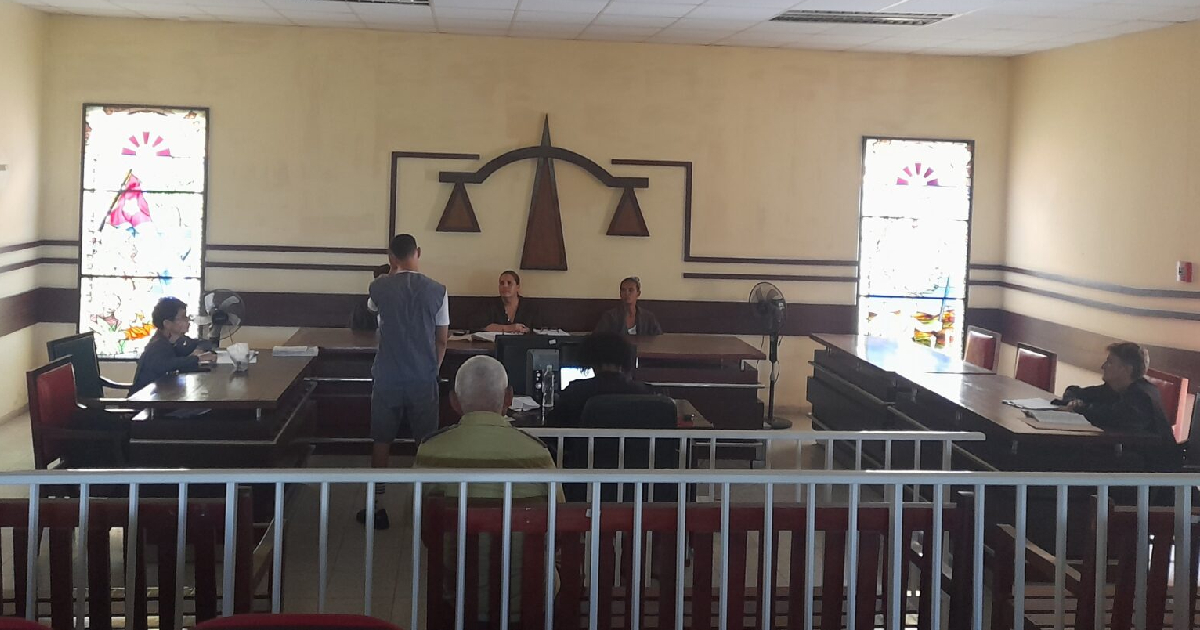
The Prosecutor's Office requested sentences ranging from eight to 16 years in prison for the members of a network dedicated to the trafficking of illegal drugs, who were tried on Monday in the Provincial Court of Matanzas, according to official sources.
The trial took place in the First Criminal Chamber of the court against seven citizens accused of possession and trafficking of synthetic cannabinoids, known as “chemical”, the Police reported in a statement released on the Facebook profile “Heroes in Blue in Cuba”.
A report from the Cuban News Agency (ACN) specified that two accused individuals were purchasing drugs in Havana, through a man living in the San Miguel del Padrón municipality, to sell them at higher prices in the city of Matanzas, specifically in the areas of Pueblo Nuevo and Peñas Altas.
The narcotics were transported from the capital by "mules" - individuals responsible for the transportation - who also offered them to potential buyers in the province of Matanzas, the report detailed.
The prosecutor in the case requested penalties for the defendants ranging from eight to 16 years of imprisonment, "depending on the severity of the actions of the perpetrators." The sentence will be announced on December 30.
The professional judge Mirielis Morales Rondón emphasized that the crimes being judged in this case are defined in articles 235 to 238 of the current Penal Code, and their prosecution “is prioritized by the government's zero-tolerance policy towards drugs,” due to the serious consequences of these substances on health, particularly among young people, who are the most affected by their consumption and also represent the primary perpetrators of the crimes.
According to the official statement, "throughout the processing of the case and during the oral trial, strict adherence to procedural guarantees and respect for the right to due process was ensured, as enshrined in the Constitution of the Republic of Cuba."
The trafficking and consumption of drugs in Cuba has increased to unprecedented levels in recent years.
Despite the regime intensifying the police operations and tightening criminal penalties, both the sale and consumption of narcotics —especially synthetic substances like “químico” or “papelillo”— continue to rise in the country, highlighting that the government strategy is insufficient.
According to data released in September by the Ministry of the Interior, more than 1,500 people had been arrested for drug-related offenses since the beginning of the year. In addition, 81 kg of narcotics, 11,000 plants, 23,000 seeds, five firearms, and assets from traffickers were seized, and five criminal networks operating from José Martí International Airport in Havana were dismantled.
In an attempt to curb the escalating crime associated with drugs, the regime has unleashed a national judicial offensive aimed at imposing exemplary sanctions, which serve more as social warnings than as effective mechanisms of justice.
Meanwhile, the Supreme Court approved a ruling in July that increased the criminal penalties for those who possess or distribute synthetic drugs, which are highly toxic and have devastating effects on health.
However, these measures do not address the root causes of the problem: the lack of opportunities in the country, youth unemployment, and social insecurity that facilitate drug trafficking and consumption.
Filed under: