
Related videos:
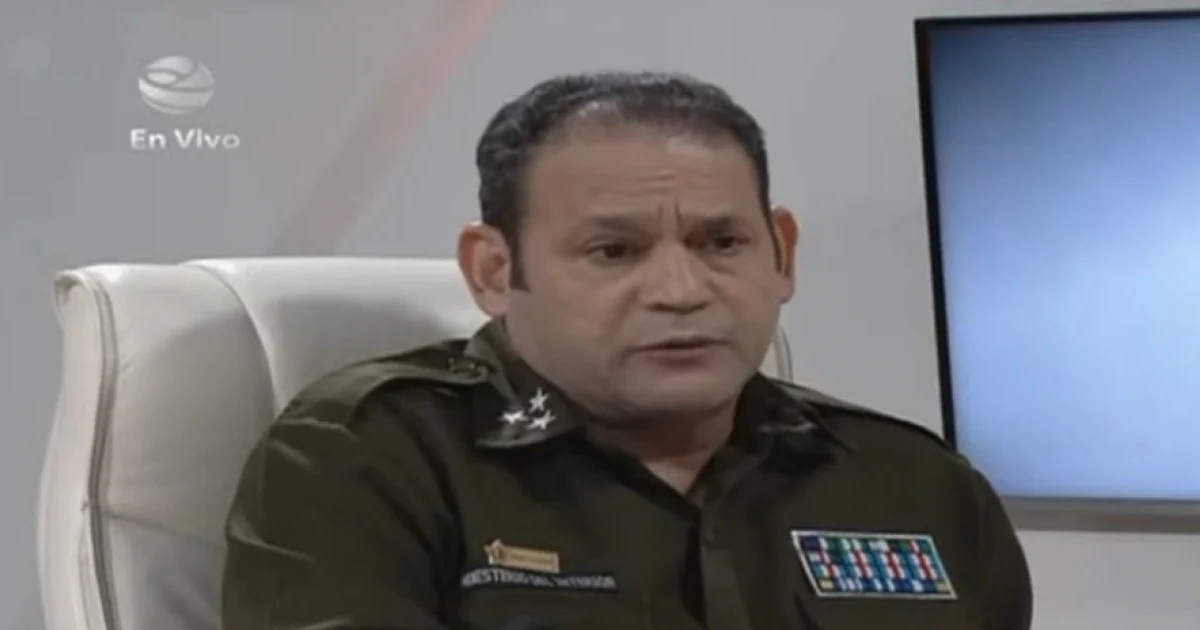
Colonel Juan Carlos Poey Guerra, head of the Anti-Drug Directorate of the Ministry of the Interior (MININT), stated in the Roundtable discussion that "we can officially certify that there is no fentanyl in our country," following analyses from the Central Laboratory of Criminalistics.
Fentanyl is a potent opioid that acts on the central nervous system. It can be used as an abused drug through oral, inhaled, or intravenous routes and can cause dependence.
The statement from the Cuban military comes in the context of the national campaign against drug trafficking, which has been in operation since January, with particular focus on Havana due to its complexity.
Poey Guerra detailed that "more than 6,000 people have been acted upon," with over 1,500 detained, many of whom are in preventive detention.
It also reported the seizure of 81 kg of narcotics, 11,000 plants, 23,000 seeds, five firearms, and assets belonging to traffickers, as well as the dismantling of five criminal networks operating from José Martí Airport.
The colonel insisted that the operations reflect the "rigor and severity of our legal and penal policy" and that the sanctions have been increased.
However, experts and critical citizens question the accuracy of these figures and point out that the official narrative is more aligned with triumphalism than with reality.
The problem of synthetic drugs in Cuba, especially the so-called cannabinoids known as "the chemical," continues to grow despite law enforcement operations.
In May, the regime itself acknowledged that throughout the Island, these drugs, often adulterated with fentanyl, formaldehyde, anesthetics for animals, and benzodiazepines are circulating, leading to intoxications, hospitalizations, and psychotic episodes among youths.
Captain Leidy Laura Aragón Hernández, a specialist in Toxicology, explained that drugs arrive in the country concealed in paper, bags, jewelry or aromatic plants, making their detection challenging.
In neighborhoods of Havana, the sale of "papelitos" remains widespread, primarily among teenagers and young adults. Entire families are engaged in the business, while the government continues to promote its discourse on prevention and confrontation, which, in practice, does not halt the advance of drugs.
The Supreme Court has intensified penalties for processing the possession of synthetic cannabinoids without the need to gather large physical quantities, raising sanctions for illegal possession to between one and three years of imprisonment or fines of up to a thousand quotas.
However, these measures do not address the root causes of the problem: the lack of opportunities, youth unemployment, and social insecurity that facilitate consumption.
While the MININT claims that fentanyl does not exist and promotes figures that seem more propaganda than reality, Cuban youth continue to be the most affected.
Drug trafficking adapts and grows rapidly, circumventing controls and taking advantage of a country where the social and economic crisis is combined with an insufficient governmental response and an official discourse that turns reality into propaganda.
On the streets, on social media, and in hospitals, the evidence is clear: the drug problem is worsening, and state intervention is insufficient.
The "fentanyl-free Cuba" presented by the regime is far from the reality that young people face, as they daily confront the devastating effects of an epidemic that the government insists on downplaying.
Frequently Asked Questions about the Drug Problem in Cuba
Is there fentanyl in Cuba according to the Cuban government?
The Cuban government asserts that there is no fentanyl in Cuba, according to statements by Colonel Juan Carlos Poey Guerra from the Ministry of the Interior. However, there are conflicting reports indicating the presence of synthetic drugs adulterated with fentanyl on the island.
What is the current situation of drug consumption in Cuba?
The situation of drug consumption in Cuba is concerning, especially with the rise of synthetic drugs like "el químico". This phenomenon primarily affects the youth and has spread across the entire island, causing serious health and social issues.
What actions is the Cuban government taking to combat drug trafficking?
The Cuban government has intensified police operations and has increased penalties for drug-related offenses, imposing sentences of up to 30 years in prison. However, these measures primarily focus on repression and do not address the underlying causes of the problem.
How is "the chemical" introduced in Cuba?
The "chemical" arrives in Cuba primarily camouflaged in paper, bags with jewelry, or aromatic plants, making its detection difficult. It is manufactured in clandestine laboratories outside the country and its composition includes dangerous substances such as fentanyl, formaldehyde, and anesthetics for animals.
What is the impact of the "químico" on Cuban society?
The "chemical" has had a devastating impact on Cuban society, especially among the youth. It causes severe effects such as severe tachycardia, acute hypertension, and psychotic crises, in addition to causing irreversible neurological damage and destroying families and life projects.
Filed under: