
Related videos:
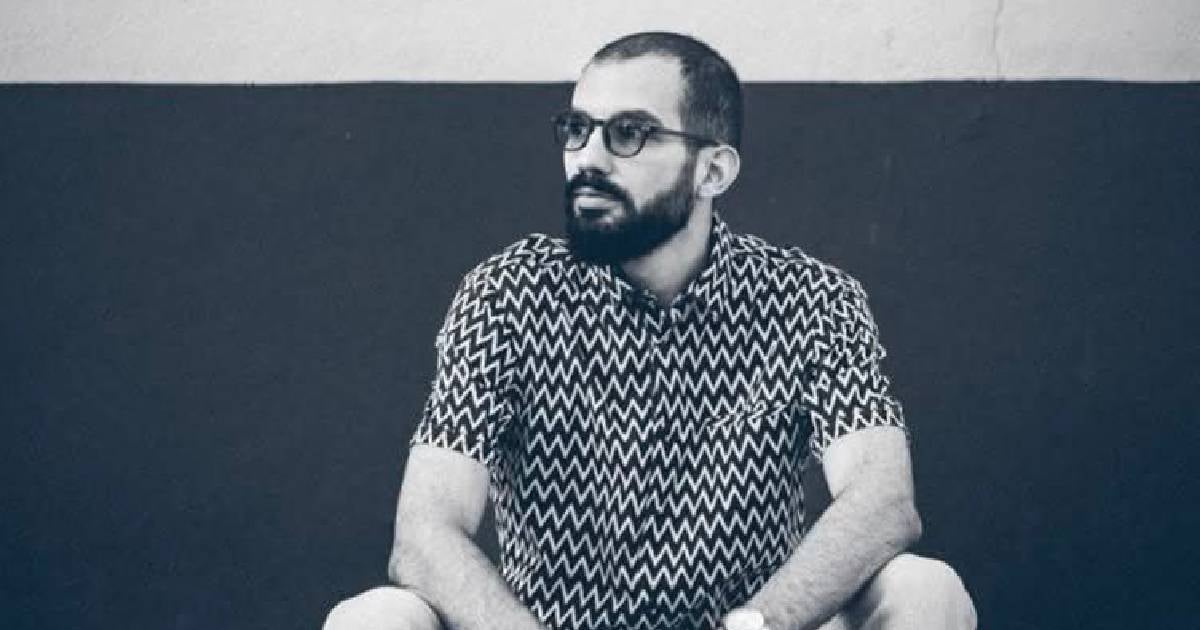
The young Cuban filmmaker Orlando Mora Cabrera, detained and silenced in Havana after denouncing the censorship of his short film To Kill a Man in December 2024, has just received an honorary mention at the 37th Girona Film Festival in Spain.
The news was spread this Friday by the Spanish outlet Mundiario, which highlighted the significance of the recognition in a context characterized by cultural repression in Cuba.
The jury of the Girona Festival highlighted the short film's ability to intertwine intimacy, power conflict, symbolic violence, and political denunciation without resorting to pamphleteering.
Bringing history into the Cuban military apparatus, a historically hostile environment towards sexual diversity, added a dramatic weight that, in Cuba, became a reason for reprisal.
From censorship and detention in Cuba... to international applause
The trajectory of the film has been marked by episodes that highlight the fragility of artistic freedom on the island.
In December 2024, To Kill a Man was selected to compete at the 45th International Festival of New Latin American Cinema in Havana, but its premiere was canceled repeatedly under the pretext of "electrical problems," despite the rest of the circuit functioning normally. Finally, the short film disappeared from the program without explanation.
That same month, Mora publicly reported that her work had been censored due to homophobic reasons and the critical nature of the narrative, which tells the story of the relationship between a high-ranking military officer and a young man trying to emigrate.
Hours after his report, on December 21, he was detained by agents of the Ministry of the Interior, allegedly taken to the station at Zapata and C, and kept in an unknown location, as confirmed at that time by the Assembly of Cuban Filmmakers.
Her co-star, the trans actress and activist Kiriam Gutiérrez, was placed under house arrest to prevent her from attending an alternative screening of the film.
Despite the official ban, To Kill a Man was screened in independent venues, with full houses and three consecutive showings at the Ludwig Foundation, as well as a presentation at the Norwegian Embassy.
The honorable mention places Orlando Mora on the path of other Cuban creators whose work has been banned on the island but celebrated abroad, such as Carlos Lechuga and Miguel Coyula.
Filed under: