
Related videos:
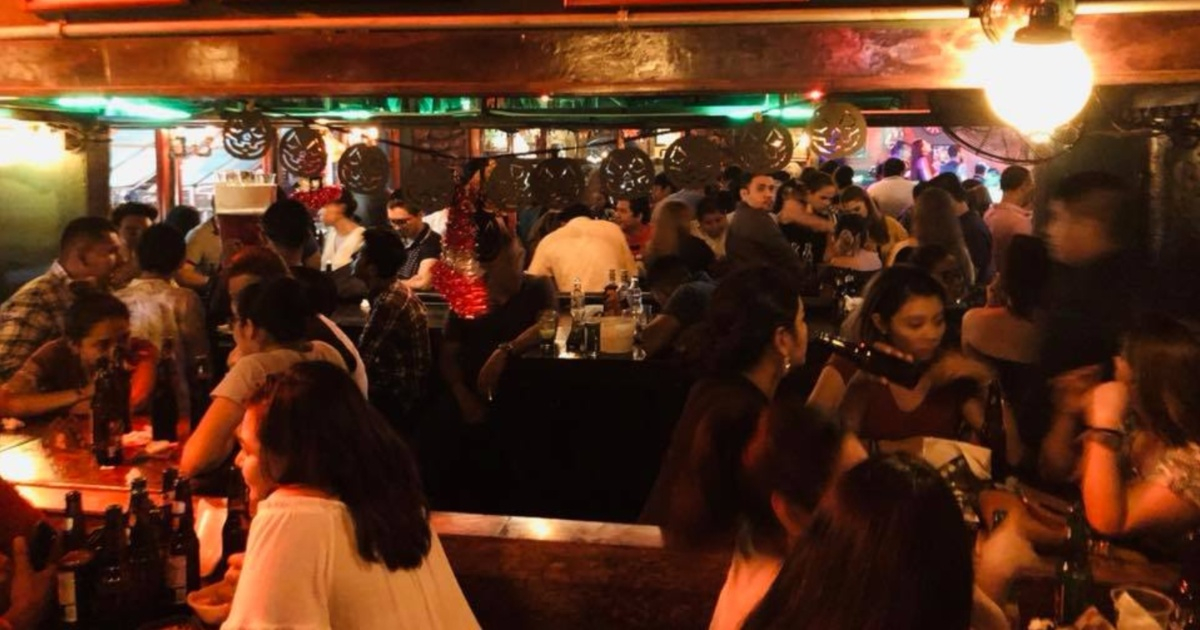
The number of Cuban workers in bars, cantinas, snack shops, and nightclubs in Tapachula is expected to grow and remain stable during December, a month that previously took a toll on this sector due to the temporary departure of Central American employees returning to their countries for Christmas and New Year.
Today, as confirmed to Diario del Sur by Antonio Armas, president of the Association of Entertainment Establishments of Tapachula (ASEET), Cubans make up the majority of the foreign staff in these businesses, and their presence during the holidays reduces the turnover that complicated operations in previous years.
Armas explained that, in the past, the labor flow was dominated by workers from Guatemala, El Salvador, and Honduras, many of whom would be absent in December to spend the holidays with their families, causing some establishments to lose “up to half of their staff” and needing to seek Mexican employees to cover the season.
That pattern, he pointed out, has changed with the new wave of migration and shifts in regional mobility: some Central Americans were able to regularize their status, others moved to northern Mexican entities, and at the same time, the arrival of Cuban workers in Tapachula increased, today occupying a significant portion of positions in the nightlife sector.
According to the leader of ASEET, the current workforce in the sector is generally composed of 50% Mexican workers and 50% foreigners, with Cubans making up 80% of the latter group, while Guatemalans have become a minority.
Among the factors mentioned for this change, Armas pointed to the stability of the Guatemalan currency, which —in his view— reduces the incentive to "come to earn pesos" in Mexico.
The element that, according to the gathered testimony, makes a difference in December is the inability of many Cubans to travel to Cuba during this time, unlike other workers who could return to their countries.
That restriction —Armas indicated— causes Cuban employees to remain in Tapachula during Christmas and New Year's, helping to prevent businesses from experiencing the seasonal decline in staff that was previously common.
The report describes this phenomenon as a reflection of how migration silently reconfigures daily life at the southern border, particularly in Tapachula, noted as one of the cities with the highest concentration of people in contexts of human mobility.
In that context, December acts as a "social thermometer" that reveals changes in the local labor dynamics and in the composition of those who support sectors such as nightlife in the region.
Filed under: