
Related videos:
Republicans in the United States Congress are promoting a new healthcare plan with the so-called "Trump Health Freedom Accounts" that could change Obamacare for millions of Floridians, including hundreds of thousands of Cuban residents in the south of the state.
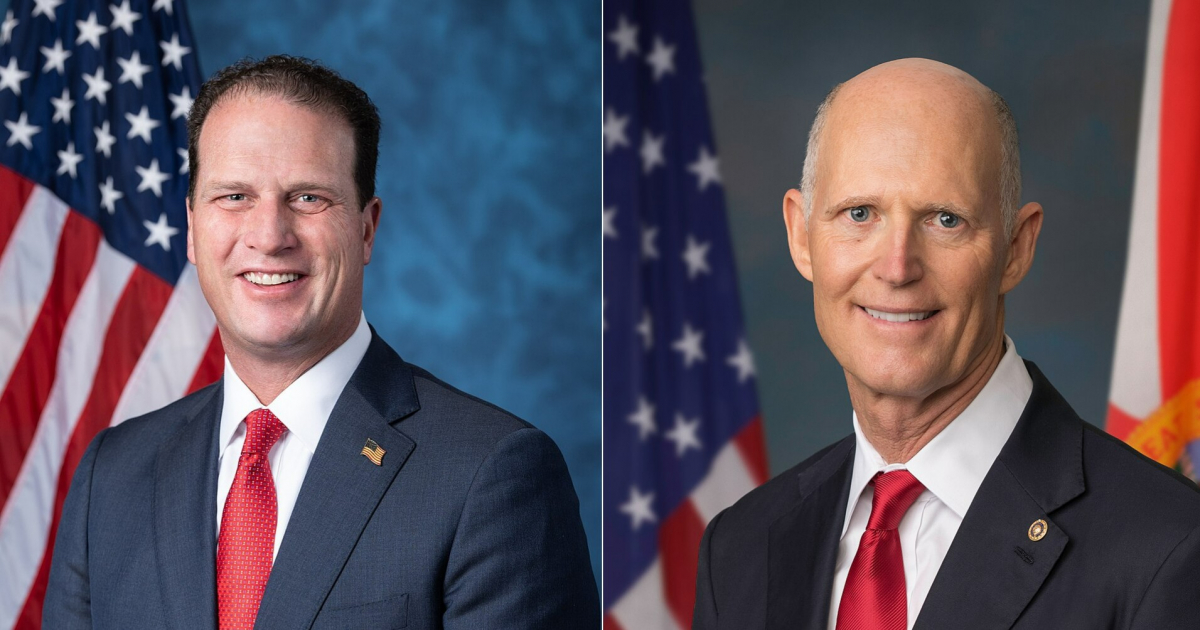
The initiative, introduced in the House of Representatives as “The More Affordable Care Act” by Republican Congressman August Pfluger, aims to lessen the federal government’s role in healthcare and realign the subsidies of the Affordable Care Act (Obamacare) without completely repealing it.
In parallel, the senator from Florida Rick Scott is promoting in the Senate the sister version of this project, which proposes to redirect part of the federal funds that currently subsidize insurance premiums toward personal accounts managed by the insured individuals themselves.
Florida plays a central role in this debate because it has become the state with the highest number of affiliates in the federal health insurance marketplace: it has set records for enrollments in Obamacare, with more than three million people enrolled and a particularly high concentration in the southern part of the state, where the largest Cuban community in the country resides.
Obamacare has become a lifeline for thousands of Cuban families in Florida, allowing them to access coverage that was previously unattainable due to cost or medical conditions.
During the COVID-19 pandemic, Congress approved a temporary expansion of subsidies that significantly reduced the monthly premium costs for millions of insured individuals, including many Cubans and other Hispanics with middle and low incomes.
These enhanced subsidies, which in many cases have allowed for the payment of nearly free premiums, are about to expire if Congress does not reach an agreement to renew them, raising concerns among agencies and advisors working with the Cuban community in Miami.
In this context, the Republican plan emerges. According to the legislative text and the statements of its promoters, states could request waivers to diverge from key parts of Obamacare and design their own models, as long as they demonstrate that these do not increase premiums for patients with more vulnerable health conditions.
The centerpiece of the reform is the so-called “Trump Health Freedom Accounts”: personal healthcare savings accounts to which federal funds currently subsidizing the policies purchased in the ACA exchanges would be redirected.
Instead of the government transferring funds to the insurance company to reduce the monthly premium, families would receive those resources in their own health freedom account and from there they would pay premiums, copays, and other medical expenses, with more flexibility to choose products and companies.
Proponents of the project assert that this "returns control of health care to families rather than Washington bureaucrats", and that it will allow the purchase of insurance across state lines, paving the way for a large multistate market for policies.
For the Cuban community in Florida, particularly in counties like Miami-Dade and Broward, the potential impact is substantial. Miami is one of the areas in the country with the highest penetration of Obamacare, and a significant portion of those enrollees are Cubans who have found in the federal marketplace their primary means of coverage.
In articles about health insurance, CiberCuba has warned that the prices of some plans have doubled or tripled in recent years, although subsidized options are still available for various budgets if one takes advantage of the open enrollment period.
The medium itself has emphasized that having specialized advice is crucial to not lose assistance or overpay, which is particularly true for newly arrived Cuban families or those with ongoing immigration processes who are unaware of how their status interacts with ACA subsidies.
With the new model, these same households would become dependent on the amount that the state and federal government deposit into their Trump accounts and their ability to manage plans with higher deductibles and increased out-of-pocket expenses, a structure that has historically favored middle and upper-income earners with saving capacity.
Health policy experts warn that HSA accounts are primarily used by those with stable incomes and financial reserves, while working families tend to underutilize them and delay consultations and treatments for fear of accumulating bills.
In the specific case of Cubans in South Florida, this could translate into increased pressure on family budgets, adding the cost of health insurance to other expenses such as the reunification with relatives arriving from the island.
On the contrary, middle and upper-class Cubans, professionals, and small business owners who already purchase robust private insurance could benefit from new opportunities for tax optimization and policy selection, including the possibility of acquiring plans from other states with customizable coverage if the reform is implemented in its most deregulated version.
In the political arena, the plan by Scott and Pfluger arrives just as the so-called "premium cliff" approaches: the moment when enhanced subsidies expire and millions of people could face sharp increases in their insurance costs if no deal is reached in Congress.
While Democrats and some moderate Republicans are pushing to extend those aids, the more conservative sector of the Republican Party is betting on replacing them with the new Trump account scheme and state exemptions, in what many see as a new chapter in the long battle against Obamacare.
The outcome of this legislative dispute will determine whether Florida becomes a testing ground for reform and, above all, whether Cubans and other Floridians who currently rely on subsidies will be able to continue paying a manageable premium or will face a more complex system, offering more freedom for those with resources and more risk for those just making ends meet.
Filed under: