
Related videos:
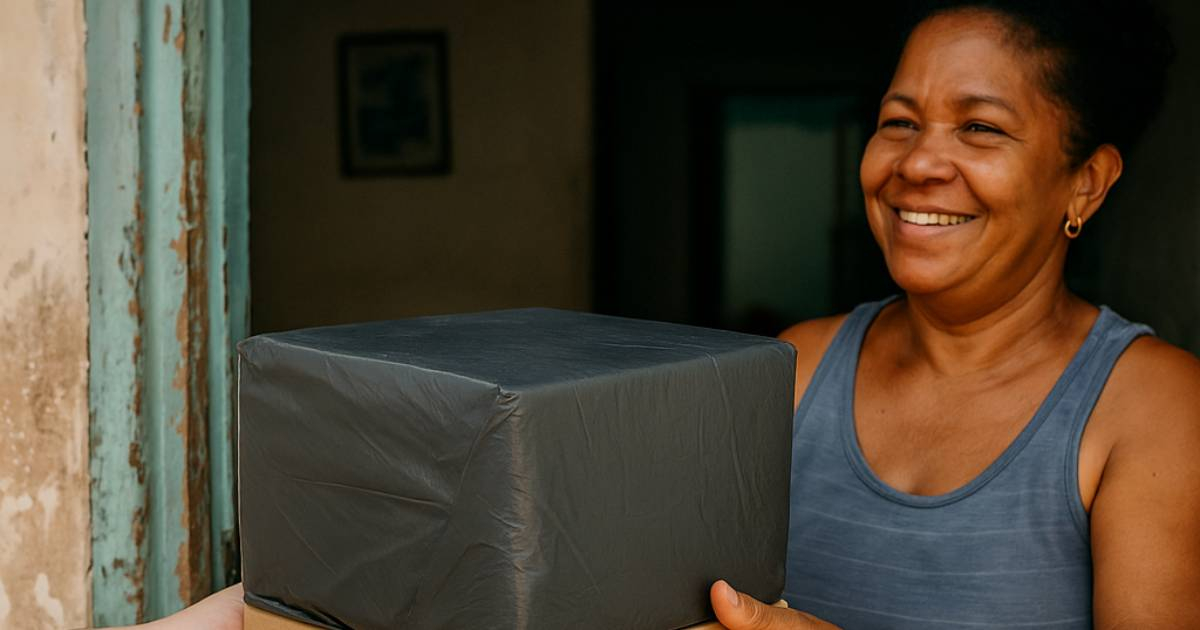
Each box that leaves Montevideo, or elsewhere in the world, headed to Cuba carries the weight of a family enduring thousands of kilometers apart. Medicines, soaps, cell phones, used clothing, a can of tuna, a package of rice—everything that is commonplace for many becomes a lifeline for Cubans on the island, increasingly reliant on the sacrifices of those who have emigrated.
There are companies that today serve as a vital bridge between the diaspora and the homes they left behind. “Everything was Cuba, Cuba, Cuba,” recalls Frank León, a Cuban in South American lands, as he watches bundles wrapped in black nylon piled up, ready to travel. Most are headed for Las Tunas.
The flow is overwhelming. Up to 160 kilos of items per week travel from Uruguay to Cuba, according to a report by El País Uruguay. And along with them, the stories that never appear in the official reports.
There are migrants who send 60 or 70 kilos every month, just in medications for their sick parents. Others send tools so that the family can open a small workshop. A young woman sends a new mobile phone for her mother, which could be sold for up to 80,000 pesos in Cuba, a figure well above the average salary.
Additionally, the boxes contain a variety of medications, including ibuprofen, antibiotics, vitamins, syringes, rechargeable lamps to cope with 20-hour power outages, dry food, seasonings, and hygiene products.
"How do you cope with three or four hours of electricity a day, if you're lucky? How do you stay calm when everyone around you is sick and there are no medicines?" ponders a Cuban migrant who has just sent a suitcase full of medical supplies.
In addition to this material bridge, there are the mules—those migrants who sell space in their luggage for 20 or 30 dollars per kilogram for those who need to send “something small” or urgent. It’s an underground business that has thrived alongside shortages and prohibitions, and many see it not just as a business, but as “a way to fight.”
And the support doesn't stop there. More and more Cubans in Uruguay are shopping for their families through digital platforms, paying from abroad for food that is unaffordable on the island.
"How does a Cuban manage to live on 10 or 15 dollars a month?" asks Mark, a migrant who can only afford a monthly purchase for his family. "Cuban people live by being resourceful."
While the Cuban government avoids discussing the true extent of the crisis, it is the migrants, with their sacrifices, their extra hours, their hand-drawn boxes, who are sustaining what remains of thousands of homes.
Filed under: