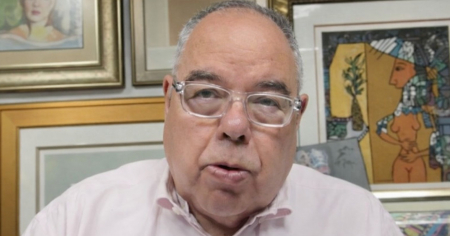
The lawyer Willy Allen, one of the most prestigious experts in immigration law in Florida, explained which group is affected by the recent cancellation of the family reunification parole program for Cuba.
"It affects Cubans who are waiting for their visa in Cuba, requests made by residents for a spouse, minor children, single adult children, married adult children, and siblings," detailed Allen in a conversation with CiberCuba.
For its part, it does not affect "petitions from American citizens to spouses, fiancés, minor children, or American citizens by their parents," said the attorney, who specified that these "latter cases were not involved in the family reunification program because they were immediate visas."
“Cubans on U.S. soil who arrived under this program are also not affected as they are protected by the Cuban Adjustment Act,” Allen assured.
"Those who remain in Cuba are left without 'hope of surpassing the number they had,' he concluded."
Last Friday, the administration of Donald Trump announced the elimination of the family reunification parole program for Cuba, along with those for Colombia, Ecuador, El Salvador, Guatemala, Haiti, and Honduras.
In the case of Cuba, the Cuban Family Reunification Parole Program (CFRP), created in 2007 under the administration of George W. Bush (2001-2009), allowed U.S. citizens and legal permanent residents to apply for a temporary parole for their relatives in Cuba, facilitating their expedited arrival in the United States.
This allowed family members with approved petitions to enter the United States before their visa was available and, in the case of Cubans, to then benefit from the Cuban Adjustment Act.
In this regard, immigration attorney Mayron Gallardo emphasized that the measure does not affect the I-130 family petitions, which continue to proceed as usual.
What is disappearing is the expedited process that allowed thousands of people to bypass years of waiting and enter with a parole while their case was being processed, he detailed during a dialogue with journalist Mario J. Pentón.
Now that option has been eliminated, forcing those who wish to emigrate to adhere to the usual timelines of the consular system.
Filed under: