
Related videos:
The government of Trinidad and Tobago has authorized the United States to use its airports for military and logistical operations in the Caribbean, a decision that comes just a few kilometers from Venezuela and heightens regional tension.
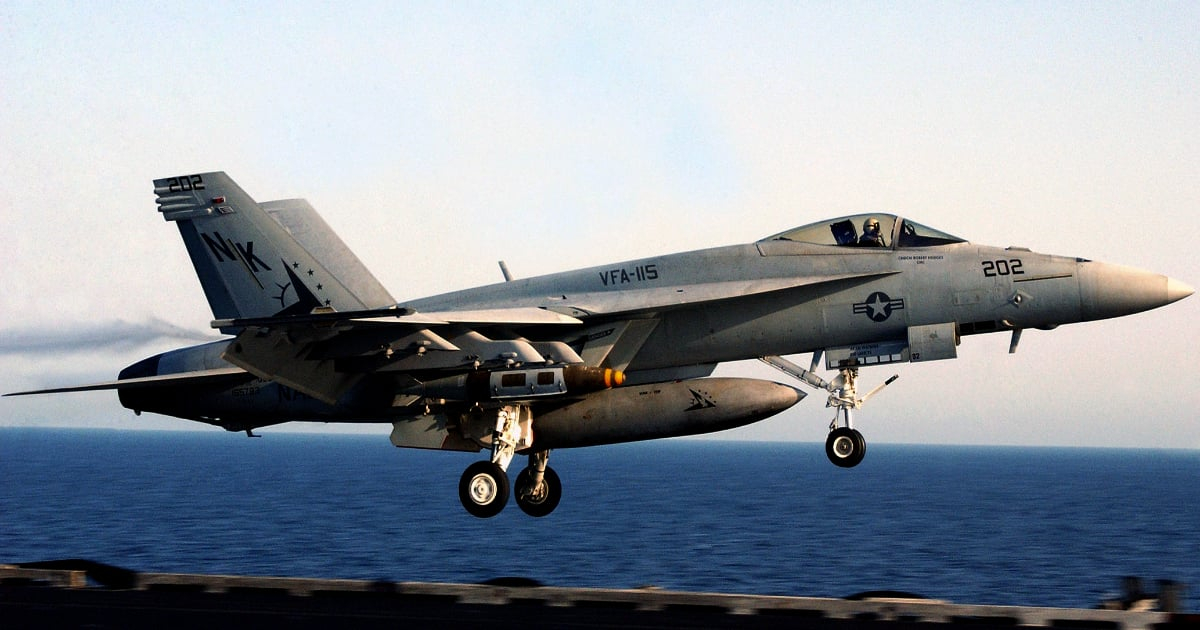
According to a report by the AFP agency, Trinidad's Ministry of Foreign Affairs announced that the permit will allow U.S. military aircraft to use the country’s airports "in the coming weeks" for supply tasks, personnel rotation, and logistical support.
Prime Minister Kamla Persad-Bissessar supported the measure and stated that it is part of a cooperation agreement with Washington, while President Donald Trump's administration continues its strategy of political and economic pressure on Caracas.
In October, the U.S. destroyer USS Gravely docked for four days in the archipelago for joint exercises, and last month a contingent of Marines participated in military maneuvers in the area, AFP recalled.
Additionally, the United States installed a radar at the new airport on the island of Tobago, citing the need to detect drug trafficking routes and oil smuggling operations from Venezuela.
On Monday, Caracas accused Trinidad and Tobago of participating in the “theft” of a shipment of Venezuelan crude oil, after U.S. forces seized a tanker for allegedly violating sanctions, the cited source noted.
The Maduro government described the action as an act of "international piracy."
Venezuelan Vice President Delcy Rodríguez described the measure as part of a “hostile agenda” against Venezuela and announced the suspension of joint natural gas exploration projects with her Caribbean neighbor.
For his part, Trinidadian Foreign Minister Sean Sobers defended the authorization as an act of "cooperation in regional security" and claimed that it aims to strengthen the protection of the country's air and maritime space.
With this decision, Washington strengthens its military presence less than 15 kilometers from Venezuelan territory, as part of a regional offensive that the Trump administration justifies as part of its fight against drug trafficking and the “narco-terrorists” linked to Maduro's regime.
In his offensive against drug trafficking, the President of the United States, Donald J. Trump, signed an executive order on Monday declaring fentanyl and its chemical precursors as weapons of mass destruction, marking the most drastic step of his administration in the fight against drug trafficking and overdose deaths.
The measure, officially announced by the White House, instructs the Departments of Justice, State, Treasury, Defense, and Homeland Security to deploy all available resources to pursue the cartels, their financial networks, and the international trafficking routes of the substance.
Filed under: