
Related videos:
The Cuban government announced the granting of 15 full scholarships for Vietnamese students for the academic year 2026-2027, a decision that contrasts with the structural crisis facing the national educational system, marked by a lack of resources, constant blackouts, and the migration of thousands of teachers.
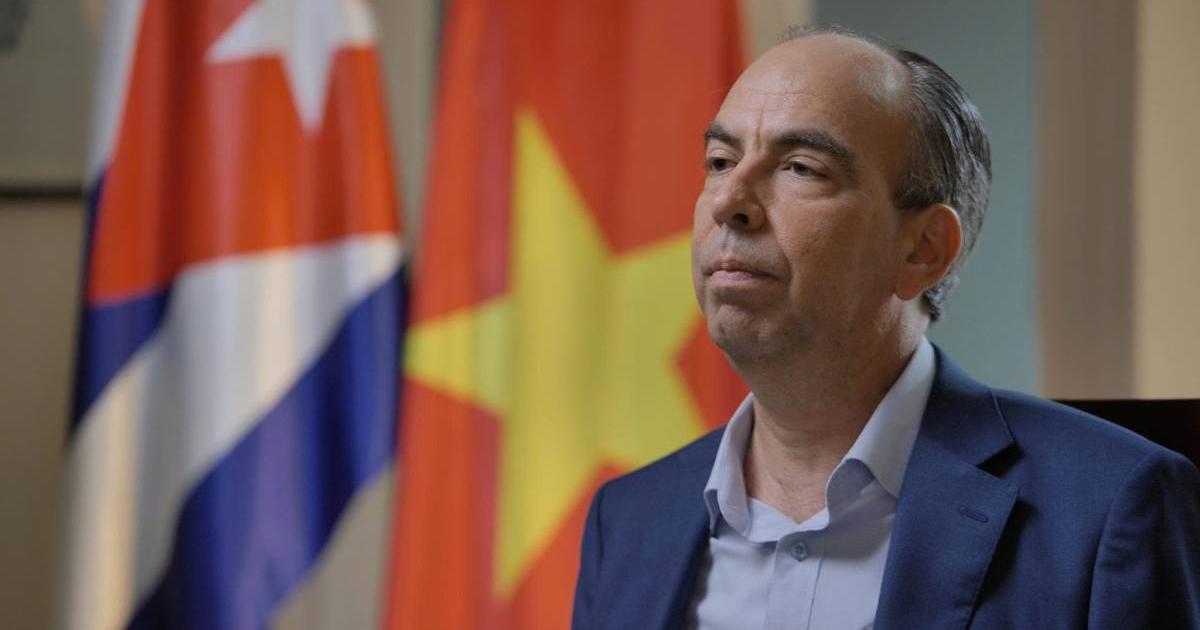
In a press conference held in Hanoi, the Cuban ambassador to Vietnam, Rogelio Polanco Fuentes, announced that the scholarships will include eight spots for medicine and seven for other areas of the Ministry of Higher Education (MES), including economics, journalism, natural sciences, humanities, and social sciences.
The program, as explained by Polanco, will prioritize Vietnamese candidates from low-income households or disadvantaged areas, and will cover all expenses for tuition, accommodation, food, and health insurance for the five or six years of study, including a preparatory year in Spanish.
The diplomat emphasized that, despite economic difficulties, Cuba maintains its educational cooperation policy with Vietnam as "a testament to the special and longstanding relationship between both countries."
However, this gesture of "international solidarity" comes at a time when Cuban universities are facing severe material shortages, and domestic students are reporting shortages of food, transportation, and teaching materials.
While the regime allocates resources to maintain its image abroad, problems are multiplying in university centers on the island due to a lack of electricity or water, and each year, the number of teachers leaving the classrooms to emigrate or seek better-paying jobs outside the public sector increases.
Educational cooperation with Vietnam dates back to 1961, when Fidel Castro launched the initiative to host students from that Asian country in Cuban universities. Since then, around 1,300 Vietnamese have graduated in Cuba, many of whom have held positions of political and diplomatic responsibility in their country.
The diplomatic gesture reinforces the Cuban government's narrative of the "historic friendship" with Vietnam, but it highlights the contradiction between the discourse of international cooperation and the internal reality.
In Cuba, there is a declining educational system that continues to grant symbolic scholarships to students from other countries, while the knowledge and talent of young Cubans continue to flee abroad.
Filed under: