
Related videos:
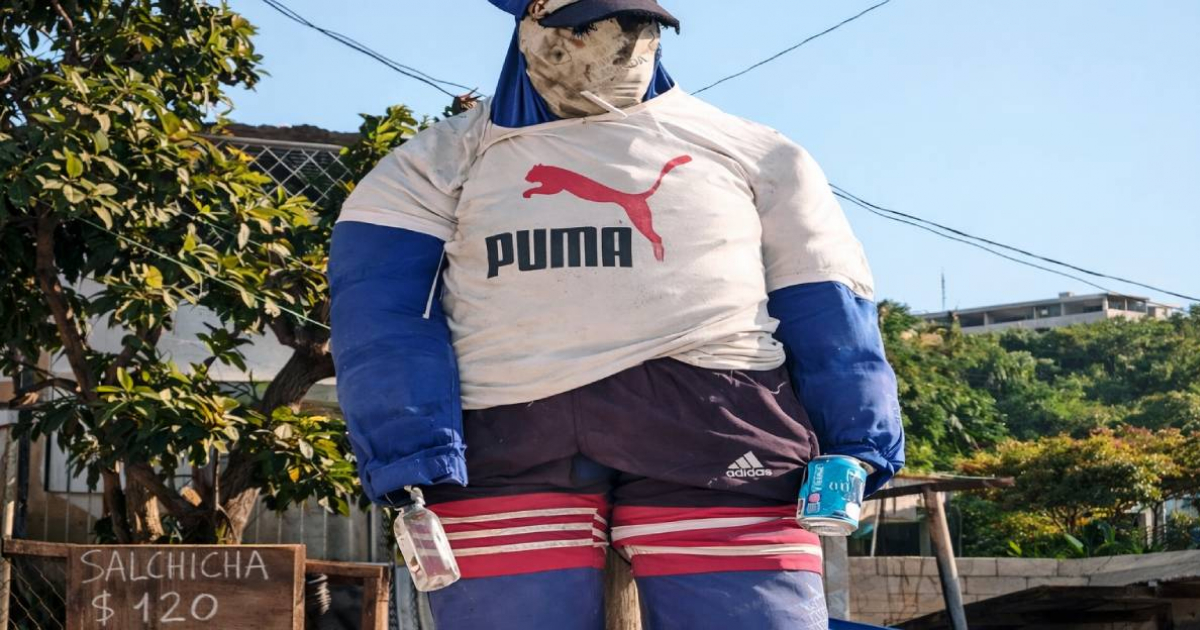
The custom of burning the "Old Year’s Guy", a popular Cuban tradition to bid farewell to the year and leave behind negative energies, has begun to gain momentum in the eastern part of the country, where more and more families and communities are joining in this practice.
What was once an almost exclusive symbol of Havana neighborhoods and other western areas is now making its way into the streets of the eastern provinces, where the people embrace it, reinvent it, and turn it into a gesture of resistance, hope, and renewal.
According to independent journalist Yosmany Mayeta Labrada, the "muñecón" of the Old Year is no longer just a rag doll: it is a popular representation of social fatigue after a 2025 marked by scarcity, power outages, and lack of opportunities.
"The people claim it as their own, burning it to say enough, to leave behind a year of scarcity and pain, and to wish that the new one brings something better," Mayeta explained.
The ritual, inherited from Latin American traditions and reinterpreted in the Cuban context, typically involves making a doll from old clothes, paper, or sawdust, to which signs with satirical or critical sayings about the year that is ending are attached. At midnight, it is set on fire amidst cheers, music, and wishes for change.
In the midst of the profound crisis the country is experiencing, the "muñecones" of Año Viejo have become a collective symbol of resistance and hope. Their burning is a tradition, but it also serves as a popular expression of the desire for renewal.
Filed under: