
Related videos:
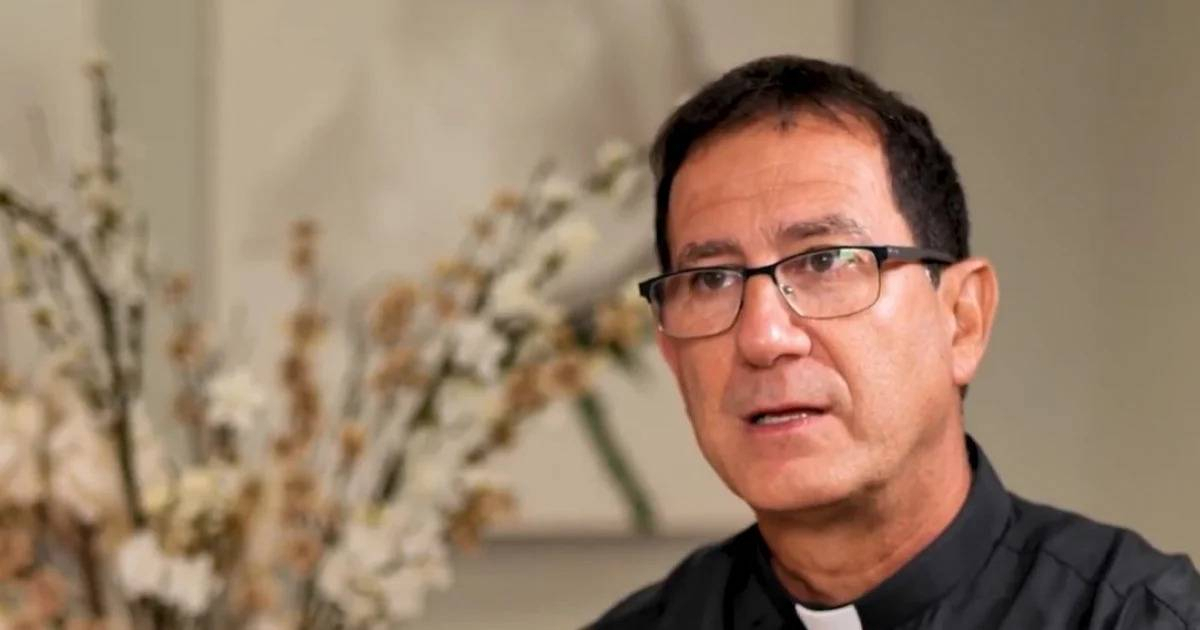
The Cuban priest Alberto Reyes asserted that the transition from 2025 to 2026 has been filled with a profound emotional contradiction for the people of the island: leaving behind a year marked by multiple “signs of death,” but starting a new one with a renewed hope for change and freedom.
In a reflection published on Facebook titled “I Have Been Thinking… (142),” the priest listed what he describes as accumulated and aggravated deaths during the past year: “the death of light, of cleanliness in the streets, of public health, of a dignified life, of adequate nutrition… the death of freedom, of joy, and of the desire to live in this land.”
According to Reyes, these realities are not new, but they have intensified, bringing the country to one of its darkest moments. However, he believes that precisely this level of decline has generated something unexpected: a collective hope stronger than ever.
"Never before have we been a people so sunk, so restrained, and so repressed, and never before have we begun the year with the hope that this nightmare will end," he wrote, noting that many Cubans bid farewell to the year wishing that 2026 would be "the year of freedom and change."
The priest was especially critical of political power in Cuba, stating that he does not expect change to arise from the ruling spheres, which he accused of having turned the country into a “personal farm” for nearly seven decades, controlled by an elite that has suppressed any attempts at transformation, dialogue, or dissent.
"Amid empty promises, repeated lies, and repressive brutality, they have been stifling every attempt at change, while the estate became increasingly unproductive and uninhabitable for everyone except for them," he denounced.
Reyes described a country entering the new year tired, disillusioned, and wounded, marked by scarcity, misery, repression, fear, forced emigration, and political prisoners. A people, he said, weary of living without freedom, threatened for expressing themselves, and witnessing their families being torn apart.
It also denounced the attacks against churches and the systematic obstacles to any civic initiative aimed at improving the economy or daily life.
"We are fed up with being a farm, with being slaves in our own land," he wrote, highlighting the sense of existential exhaustion that permeates large sectors of Cuban society.
However, the priest concluded his reflection with a message that combines denunciation and hope: although it may seem contradictory, he asserts that all this accumulated "death" has given rise to a new hope, whether it is the hope that something will change from outside the system or that the Cubans themselves will understand that they must bring light together.
His message has been widely shared on social media, where many interpret it as a moral voice that expresses the pain, fatigue, and hope of a country entering 2026 at one of the most critical moments in its recent history.
Filed under: