
Related videos:
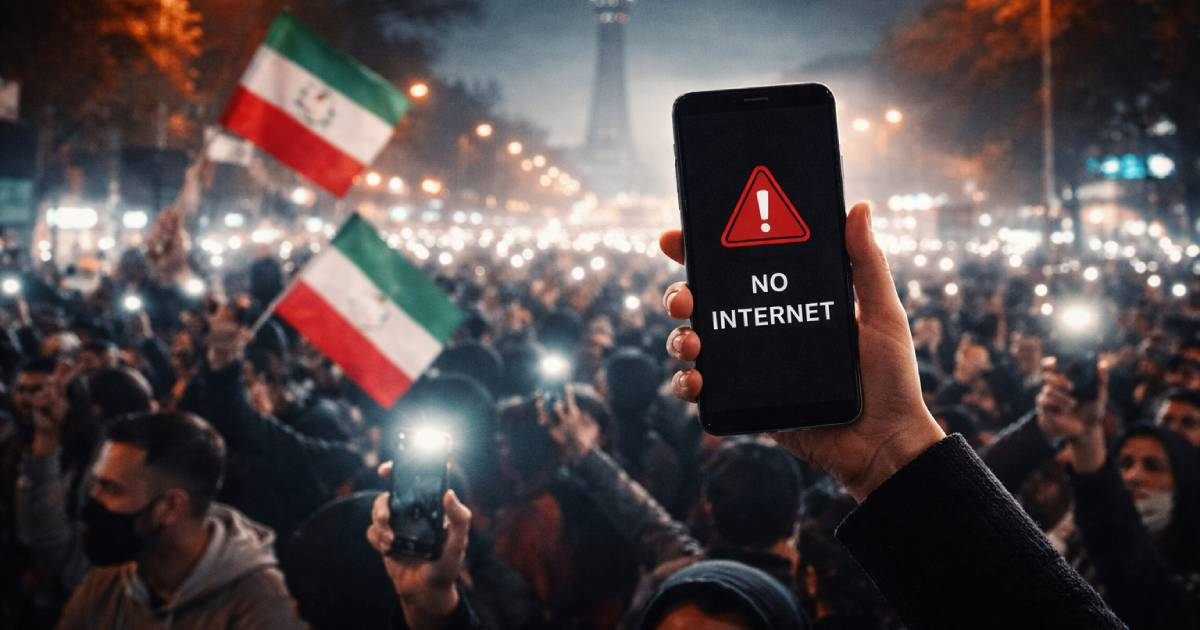
In the midst of protests that have been ongoing for nearly two weeks, Iranian authorities restricted access to global internet on Thursday, leaving the country virtually disconnected from the outside world, as confirmed by the agency EFE.
Since the afternoon, accessing websites hosted outside of Iran has become impossible. VPNs, essential tools for evading censorship and accessing blocked applications like WhatsApp or Telegram, are also not functioning.
The nationwide blackout appears to be designed to prevent images, videos, and testimonials of the protests from crossing borders.
The organization NetBlocks, specializing in monitoring censorship and internet traffic, warned on X that Iran has entered a nationwide digital “shutdown” following a series of measures aimed at controlling protests. The platform cautioned that these actions “hinder” the right to communicate at a critical time for the population.
Other reports shared on social media emphasize the seriousness of the situation. The verified account SilverTrade stated that the Islamic regime cut off all mobile internet access, citing data from Cloudflare Radar that shows how the Iranian IPv6 networks were completely offline, leaving millions of users without global connectivity as the protests intensified.
The activist and analyst Noa Magid was even more emphatic on X, stating that the regime not only cut off the internet but also telephone lines throughout the country. "Be their voice," she wrote, urging people not to let the blackout erase what is happening inside Iran.
For Cubans, both on the island and abroad, the scene is painfully familiar. Cutting off the internet in response to social discontent is a well-known strategy: to isolate, disinform, and buy time.
In Cuba, the digital blackout has accompanied key moments of protest, seeking to prevent the world from seeing what happens when people take to the streets.
Filed under: