The Cuban government announced that starting now, Saturdays will be dedicated to the military, political, and ideological preparation of the population, in a context marked by the recent escalation of tension with the United States following the capture of the Venezuelan dictator Nicolás Maduro in a U.S. military operation.
The announcement was made during the activities of National Defense Day held in the province of Las Tunas, where authorities reported that the exercises were aimed at leadership and command bodies, reserve fighters, territorial militia, and other components of the country's defense system.
According to state television, the goal is to raise levels of preparedness and readiness "in the interest of the people's war" during the year 2026. Brigadier General Florencio Navas Guevara, head of the Eastern Army General Staff, oversaw the maneuvers conducted in the defense area of the municipal capital, which included practical actions of the territorial apparatus.
During the day, the President of the Provincial Defense Council in Las Tunas, Osbel Lorenzo Rodríguez, stated that "every resident of Las Tunas must know what to do in the face of an enemy aggression" and announced that, in the current phase, each Saturday will become a systematic space for military, political, and ideological training.
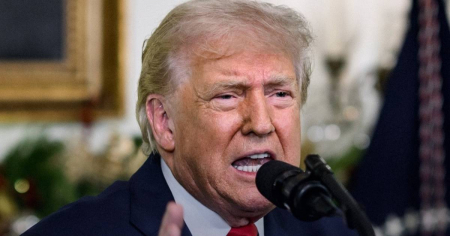
The official message comes amid a tightening of Washington's rhetoric against Havana, after President Donald Trump publicly stated that “he does not believe that much more pressure can be exerted on Cuba except to invade and destroy the place”, while describing the Cuban regime as “hanging by a thread” following the downfall of its main regional ally.
Trump and senior Republican leaders, including Secretary of State Marco Rubio and Senator Lindsey Graham, have directly linked the Cuban government to the support of Maduro's regime, even stating that Cuban forces participated in protecting the Venezuelan leader during the operation that led to his capture.
In this context, the Cuban government insists on a scenario of external threat and reinforces its narrative of national defense, while the country is experiencing a deep economic and social crisis characterized by prolonged blackouts, shortages of food, fuel, and medicine.
So far, the authorities have not specified how this weekly military training will impact the work, educational, and everyday lives of Cubans, nor whether it will entail new obligations for workers, students, or local communities.
Filed under: