
Related videos:
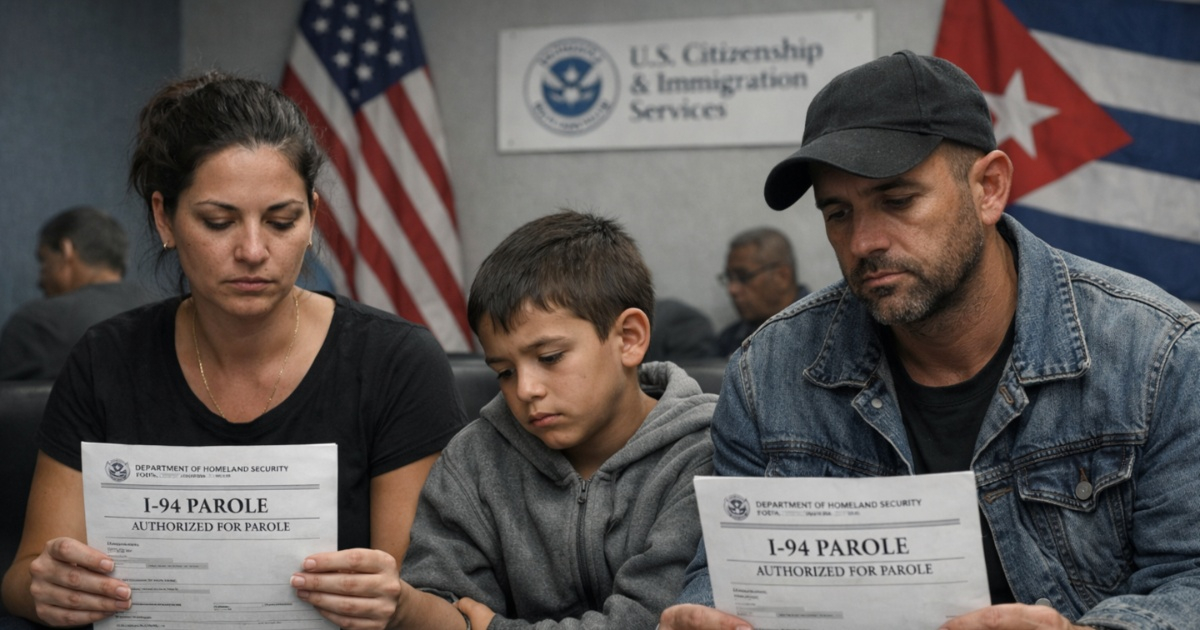
A federal judge in Boston announced on Friday that she plans to temporarily block the Trump administration's attempt to end the family reunification parole (PRF), a program that provides legal protection to over 10,000 relatives of American citizens and permanent residents.
Judge Indira Talwani reported during a hearing in Boston that she plans to issue an order this Monday, although she did not specify when, as confirmed by Telemundo 51.
The indicated beneficiaries come from Colombia, Cuba, Ecuador, El Salvador, Guatemala, Haiti, and Honduras, and—according to the information provided—many fear losing that protection on January 14, after the Department of Homeland Security (DHS) canceled it at the end of last year.
"This is not the parole from the program for Cuba, Venezuela, Nicaragua, and Haiti. We are talking about the parole for family reunification. This family reunification parole was included in this lawsuit, which was the lawsuit regarding Biden's original parole, and the judge just stated that she will prevent President Trump from eliminating the status of these individuals," explained journalist Mario J. Pentón.
The case was brought forward by five plaintiffs, but their lawyers are seeking for the ruling to apply to all participants in the program.
"The government, after inviting people to apply for it, is now setting traps between those individuals and the green card," said Justin Cox, attorney at the Justice Action Center.
In their motion, the plaintiffs argued that although their status was temporary, they did not arrive "temporarily," but rather to start a new life in the United States. They contend that since their arrival, they obtained work permits and enrolled their children in schools.
The plaintiffs' attorney described the U.S. government's measure as scandalous and stated that 30% of the affected migrants were children, many of whom would be expelled from schools.
According to what was discussed in the hearing, the Government argues that DHS has broad discretion to rescind these paroles.
The DHS defended the termination of the program as part of its immigration and security policy, within the framework of the Trump administration's efforts to reverse Biden-era parole programs.
The Cuban Family Reunification Parole Program (CFRP), created in 2007 under the administration of George W. Bush (2001-2009), allowed U.S. citizens and legal permanent residents to apply for a temporary stay permit (parole) for their relatives in Cuba, facilitating their expedited entry into the United States.
This allowed relatives with approved requests to enter the United States before their visa was available, and in the case of Cubans, to subsequently apply for the Cuban Adjustment Act.
Filed under: