
Related videos:
The Donald Trump Administration celebrated the beginning of 2026 by highlighting a significant drop in gasoline prices and mortgage rates, achievements it attributes to its “America First” agenda, focused on energy dominance and housing affordability.
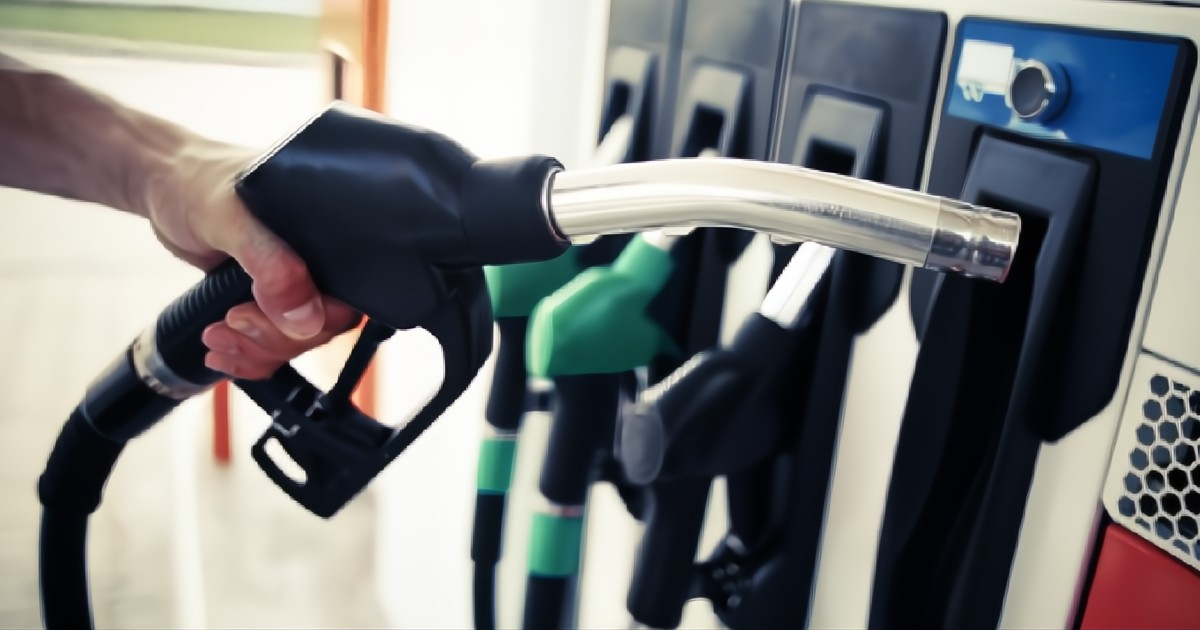
In a statement published on the official government website, the White House stated that gas prices have fallen to their lowest levels in five years.
According to data from GasBuddy, the national average price for a gallon of regular gasoline is below 3 dollars in 43 states, less than 2.75 dollars in 30 states, and 2.50 dollars or less in 17 states. In at least 19 states, there are even reports of stations with prices below 2 dollars per gallon.
The administration assures that this trend will allow motorists to spend $11 billion less on gasoline in 2026 compared to 2025, with savings of hundreds of dollars per year per household and the lowest burden of fuel spending on disposable income in the last two decades.
In parallel, the White House highlighted a significant reduction in mortgage rates. The average interest rate for a 30-year fixed mortgage fell to its lowest level in nearly three years, having decreased by more than one percentage point over the past year. This has brought monthly housing payments to their lowest level in over two years, while rents have recorded five consecutive months of declines, according to official data.
It also attributes this progress to measures such as the authorization for Fannie Mae and Freddie Mac to acquire up to $200 billion in mortgage-backed securities, aimed at making credit more affordable, as well as actions to limit the purchase of single-family homes by large institutional investors.
On January 10, Trump reinforced this message from his social network Truth Social, where he stated that mortgage rates are currently around 5.7%, compared to levels nearing 8% during Joe Biden's presidency, which he claimed has left many young families out of the housing market.
On the same day, the president announced his intention to request a cap of 10% on credit card interest rates for one year, starting from January 20, 2026, as a measure to alleviate consumer debt. Trump denounced that Americans are being "scammed" by interest rates ranging from 20% to 30%, although he did not specify how he would implement the cap.
The announcement generated immediate criticism. Media outlets such as The Guardian and CNBC reminded that the president cannot impose such a cap without Congressional approval. Democratic Senator Elizabeth Warren described the proposal as unrealistic and recalled that Trump has sought to weaken the Consumer Financial Protection Bureau.
The controversy arises in a delicate context: credit card debt in the United States surpassed $1.17 trillion in 2024, a historic record that mainly affects working families. Although legislators from both parties, like Bernie Sanders and Republican Josh Hawley, have pushed for initiatives to limit interest rates, these efforts have faced strong resistance from the banking sector.
From the financial sector, even allies of the president have shown caution. Investor Bill Ackman warned that a 10% cap could lead to massive card cancellations and harm consumers with weak credit histories, while banking associations warn that the measure could restrict access to credit and push users towards more expensive and less regulated alternatives.
Despite the criticisms, the White House insists that the drop in gasoline prices and mortgage rates demonstrates that Trump’s economic agenda is producing concrete results and restoring purchasing power to American households as 2026 begins.
Filed under: