
Related videos:
The President of the United States, Donald Trump, announced this Thursday his new national health program, called “The Great Healthcare Plan” (“El Gran Plan de Salud”), promising to reduce medical costs, lower the prices of medications, and return financial control directly to the citizens, excluding major insurers and pharmaceutical companies.
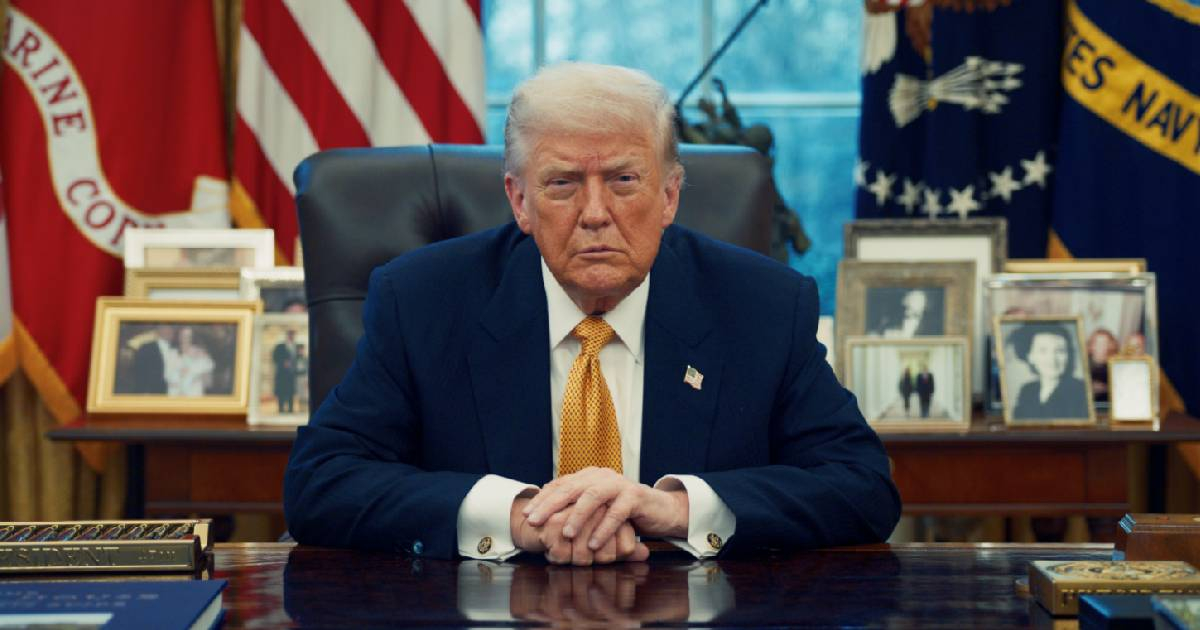
"The government will pay the money directly to you. It will go to you, and then you take it and buy your own insurance. The big insurers lose, and the American people win," Trump stated in a recorded message from the White House.
The plan, which will be sent to Congress for debate, proposes a structural transformation of the American healthcare system, the last major overhaul of which occurred in 2010 with the approval of the ACA, known as Obamacare.
Trump plans to dismantle that program, considered the biggest healthcare reform in the country in decades, which allows more than 23 million people in the country, including non-resident immigrants, to access medical services with capped annual costs, while also requiring insurers to accept those with pre-existing conditions
Among the key pillars of the new project are: the reduction of medication prices by 80% to 90%, the elimination of subsidies to insurers, direct refunds to citizens, and the requirement for complete price transparency in hospitals and insurance companies.
When presenting his proposal, he criticized the plan of the Democrat Barack Obama: "Obamacare was designed to enrich insurance companies. I call it the UnAffordable Care Act," Trump quipped, asserting that his reform will eliminate "corrupt payments, intermediaries, and hidden fees."
The president emphasized that his plan will consolidate the massive discounts already negotiated by his administration through the most favored nation pharmaceutical pricing agreement.
"In some cases, prices will drop by up to 500% this very month. Before, we paid the highest prices for medications in the world; now we will pay the lowest," he promised.
Trump also announced that his administration will require insurers and hospitals that accept Medicare or Medicaid to publish their actual and comparative rates in clear language, so that patients "will never again be surprised by a medical bill."
Critiques and doubts about the scope of the plan
However, the announcement has raised questions among experts and Democratic lawmakers. According to AP News, the plan does not specify whether it will include non-citizen resident immigrants nor does it clarify if it will maintain coverage for individuals with pre-existing conditions, who were protected by Obamacare.
Analysts also warn that the measure may not stop the debt accumulation of millions of families facing high hospital costs, even for those with health insurance.
"Without clear annual caps, families will remain exposed to unaffordable bills," noted an expert cited by the agency.
Still, the plan reinforces Trump's strategy of demonstrating concrete results before the midterm elections and consolidating his image as a populist leader who confronts corporate elites.
“We are returning the money to the American people, not to special interests,” he insisted; after the American people received the completely opposite message with the Republicans' refusal to extend Obamacare subsidies at the end of last year, which kept the government shut down for an extended period.
The Great Health Plan is presented as one of the most ambitious reforms of the new administration, aiming to definitively replace Obamacare; however, it still does not clarify essential issues that could affect millions of people who currently benefit from access to healthcare at very affordable prices.
Filed under: