
Related videos:
While the announcement is made that the Spanish government is moving towards an extraordinary regularization that could benefit hundreds of thousands of undocumented immigrants, the National Court has denied asylum to a Cuban citizen who claimed to have been a victim of harassment and state control on the island.
According to information from Infobae, the court upheld the decision of the Ministry of the Interior to deny both asylum and subsidiary protection, considering that the reported incidents, including work-related difficulties, police surveillance, interrogations, and penalties, do not constitute personal, specific, and serious persecution, but rather a widespread situation affecting large sectors of the Cuban population.
Without identifying the individual, the publication states that the man arrived in Spain on March 14, 2020, with his wife, legally, with a Cuban passport and a Schengen visa issued by the Czech Republic. They entered the country as part of a tour package and decided to stay. More than a year later, in July 2021, they formalized their application for international protection in Tenerife.
In his account to the Spanish authorities, the Cuban explained that he had trained at an art school and worked as an art instructor within the state education system, but he left that job because he believed that education served as a tool for ideological indoctrination. From that point on, he asserted, he began a process of labor marginalization for being viewed as "disloyal," which pushed him into economic precariousness.
He also reported frequent checks, police summonses to justify his way of life, and even interrogations regarding the purchase of basic goods, such as a bicycle. He added that he faced occasional detentions, administrative sanctions for expressing critical opinions, and a fine after attempting to leave Cuba irregularly by sea. His wife supported his testimony during the processing of the case.
However, the Ministry of the Interior acknowledged that, although there is a situation of lack of freedoms, precariousness, and social control in Cuba, the applicant did not present a relevant political profile or sufficient objective evidence to substantiate a claim of individualized persecution.
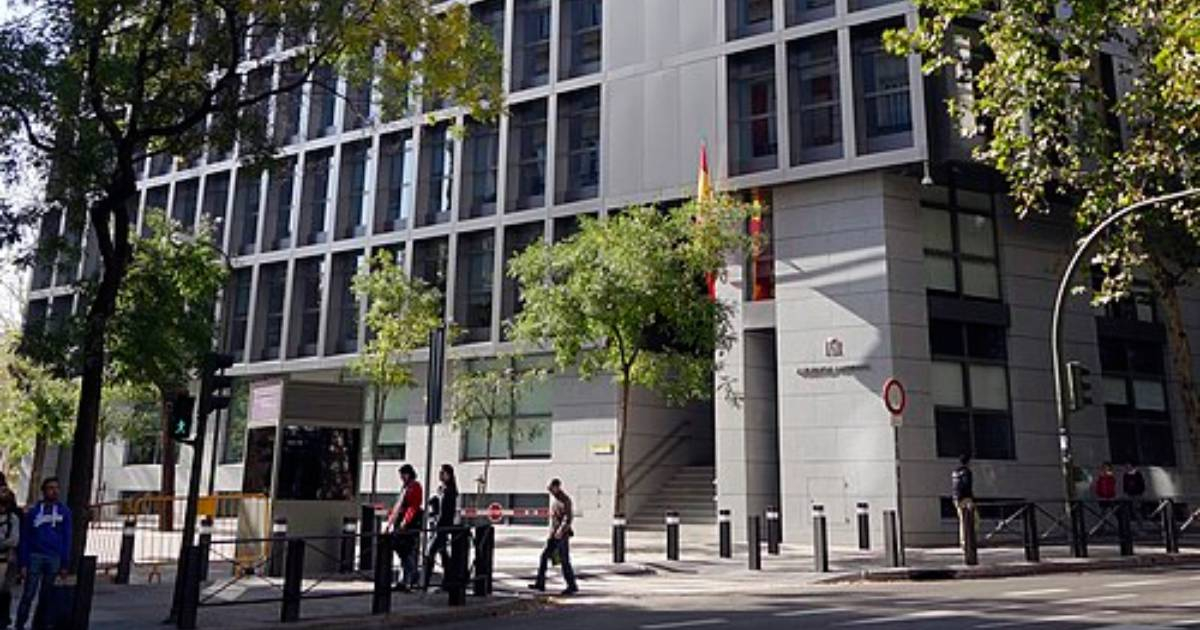
The National Court, one of the main courts in Spain, with jurisdiction to review state decisions on sensitive matters such as immigration, asylum, and security, upheld that criterion and dismissed the appeal filed in 2022, effectively closing the case.
The ruling comes at a particularly sensitive time for the migrant community in Spain. This Tuesday, the Government approved the urgent processing of a royal decree that opens an extraordinary regularization process for foreigners in irregular situations, a measure that could benefit around 500,000 people, including applicants for international protection who have initiated their application before December 31, 2025.
Filed under: