
Related videos:
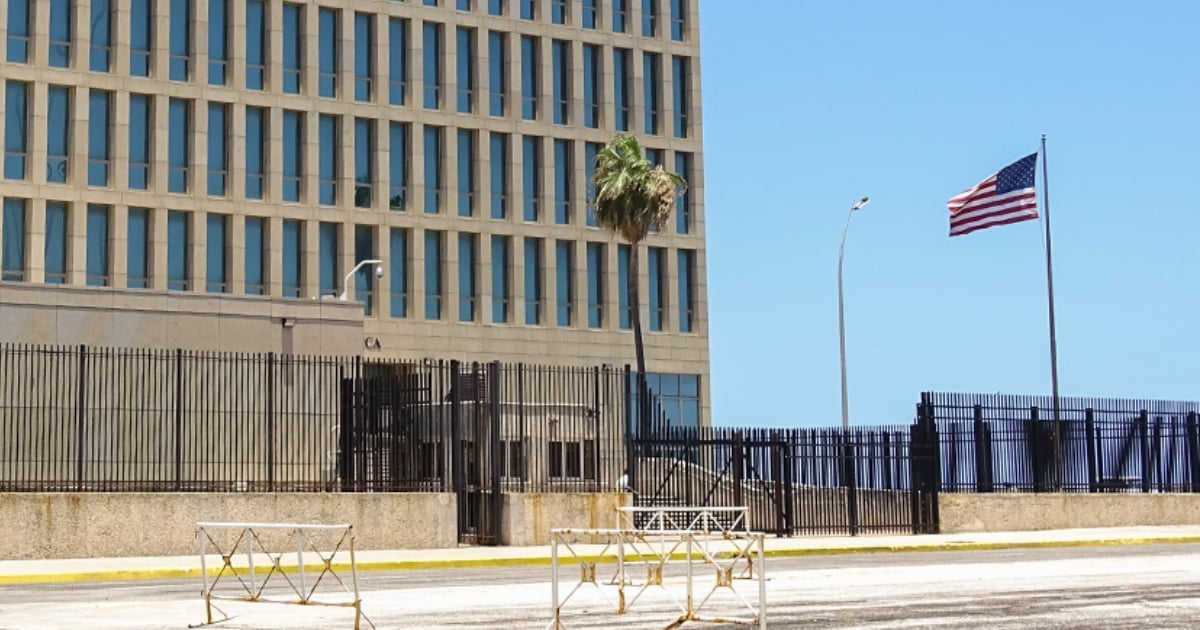
The United States Embassy in Havana issued a security alert on its social media this Tuesday, warning about the instability of the Cuban electrical system, the shortage of fuel, and the impacts on basic services across the island.
The statement indicates that the national electrical grid “is becoming increasingly unstable” and that scheduled and unscheduled blackouts are “a daily occurrence” across the country, including Havana.
These interruptions, the text added, impact the water supply, lighting, cooling, and communications.
The diplomatic office also indicated that the lack of fuel is affecting transportation, with long lines at gas stations, and that while some hotels, businesses, and hospitals are using generators during power outages, they may not sustain their services due to the fuel shortage.
The Embassy also warned about “incidents of American citizens being denied entry to the country” and an increase in “protests orchestrated by the regime against the United States”, including anti-American rhetoric.
The statement advises U.S. citizens currently in Cuba or planning to travel to the island to take precautions, conserve fuel, water, food, and phone battery, and prepare for prolonged interruptions.
Additionally, he asks to keep in touch with family and friends, check the daily updates from the Electric Union (UNE), and register at step.state.gov to receive alerts from the Embassy, as well as to follow their official accounts on Facebook, Instagram, and X.
This alert from the United States Embassy in Havana comes just days after the rising geopolitical tension in the Caribbean and the accelerated collapse of internal conditions in Cuba prompted several embassies and international companies to discreetly update their evacuation protocols in light of the potential for a major emergency scenario on the island, according to the agency EFE.
Similarly, the President of the United States, Donald Trump, stated this Monday that his administration is in discussions with Cuban leaders and that both parties are "very close" to reaching an agreement.
"It is a failed nation. They no longer receive money from Venezuela or anywhere else. Mexico is going to stop sending them oil," Trump said, referring to the critical situation of the Cuban regime.
However, the Cuban Deputy Foreign Minister Carlos Fernández de Cossío asserted that the government of the island is not currently engaged in dialogue with the United States, but he expressed a willingness to initiate one if certain criteria are met.
These events have heightened tensions between both nations, to which is added the recent alert from the United States Embassy in Havana.
Filed under: