
Related videos:
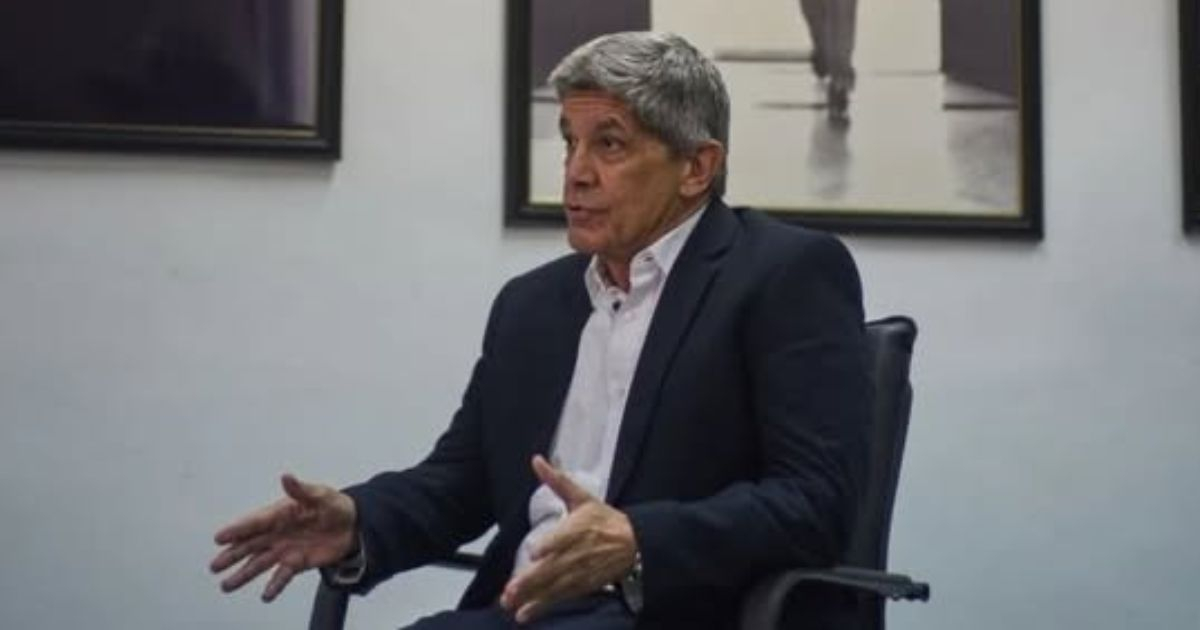
Cuban Deputy Foreign Minister Carlos Fernández de Cossío stated that the island's government is not currently engaged in dialogue with the United States, but expressed willingness to initiate discussions if certain criteria are met.
The statements were made this Monday to AP, amid the growing tension between the two countries, and Donald Trump's assertion of the closeness to an agreement with the Cuban regime.
Fernández de Cossío stated that there is no "dialogue table" with Washington and clarified that for now, there is no discussion of a formal negotiation.
"We are open to dialogue. If we can have a dialogue, perhaps that will lead to a negotiation," the official stated.
The diplomat stated that Cuba is ready to engage in an "informal dialogue" aimed at ensuring a respectful and serious coexistence, despite the differences between both governments.
However, he emphasized that there are matters that are not up for discussion for Havana, such as the Constitution, the economy, and the socialist system.
"But there are many other topics we can discuss," he added.
The vice chancellor's statements came just days after U.S. President Donald Trump said that his administration began talking with Cuban leaders, after threatening to impose tariffs on countries that supply oil to the island.
Trump described Cuba as “a failed nation” and claimed that the country “no longer receives money from Venezuela or anywhere else.”
Cuba is facing a severe economic crisis marked by prolonged blackouts, interruptions in the supply of oil from Venezuela, and U.S. sanctions, which, according to Cuban officials, caused losses of over $7.5 billion between March 2024 and February 2025.
The Russian government expressed its support for Havana this week, AP recalled.
In a telephone call, Russia's Foreign Minister, Serguéi Lavrov, , Bruno Rodríguez, and condemned the economic and military pressure against the island, particularly the obstruction of energy supplies.
Meanwhile, the head of the U.S. mission in Cuba, Mike Hammer, continues to travel around the island and post videos of his encounters with Cuban citizens.
Some have received him warmly, while others have confronted him in public.
The State Department urged the Cuban regime to cease its harassment of American diplomats and stated that "our diplomats will continue to meet with the Cuban people despite failed attempts at intimidation."
In his interview with the U.S. agency, Fernández de Cossío insisted that Cuba does not pose a threat to the United States.
"Cuba is a peaceful country. We only wish to engage with the United States in the same way we do with the rest of the world. Today, the United States is the exception," he concluded.
Filed under: